
NASA just took a huge step toward the Moon after Artemis II success
- Date:
- May 4, 2026
- Source:
- NASA
- Summary:
- Artemis II proved NASA’s deep space systems are ready for the next leap. Orion survived its high-speed return with improved heat shield performance and pinpoint landing accuracy, while the SLS rocket nailed its trajectory. Even the launch pad upgrades paid off, with minimal damage despite the powerful liftoff. With only minor issues to resolve, NASA is now gearing up for Artemis III and future Moon missions.
- Share:
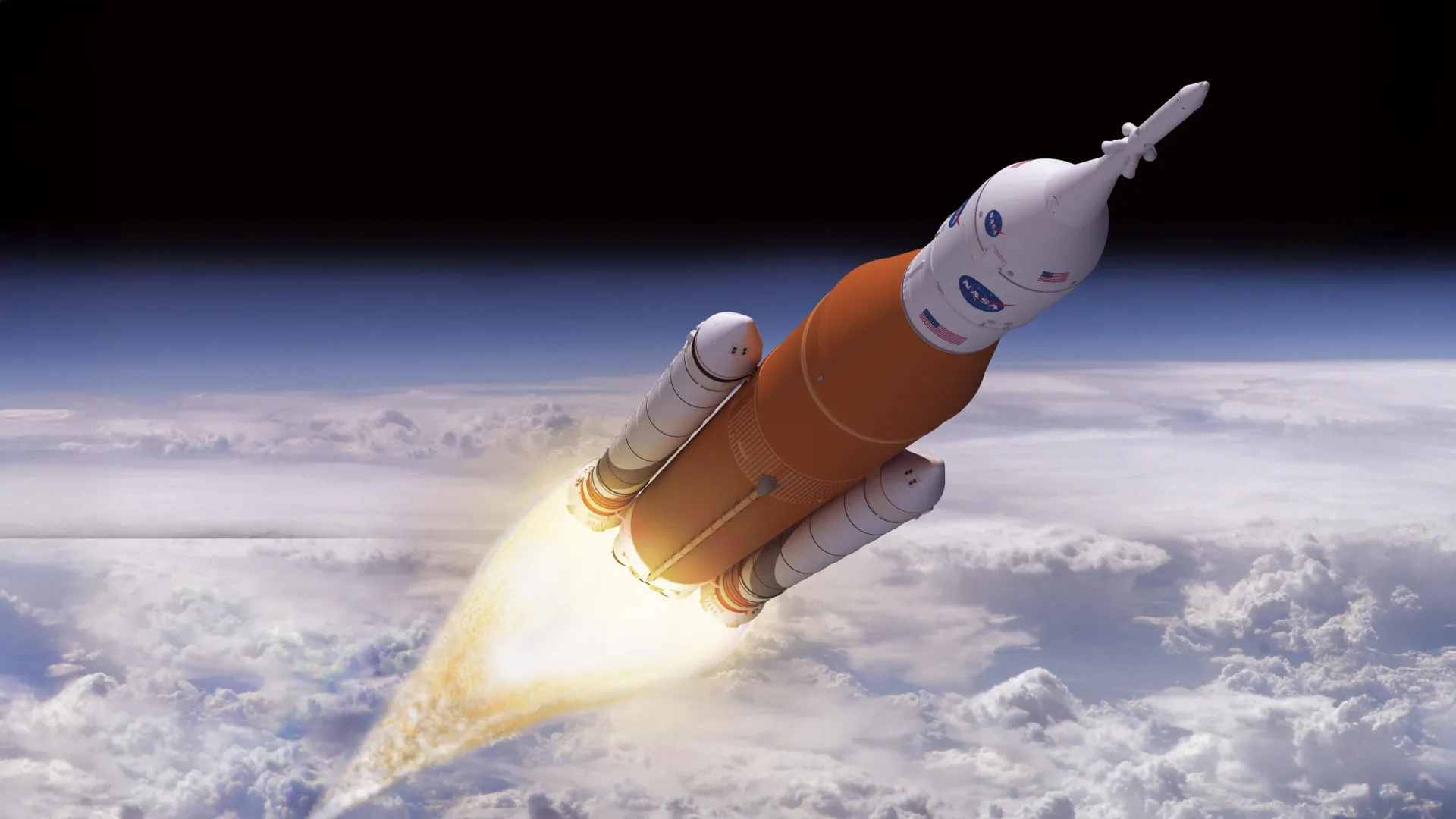
After NASA's Artemis II mission ended with a successful splashdown, engineers began closely reviewing data from across the mission. Their goal is to evaluate how major systems performed, including the Orion spacecraft, the SLS (Space Launch System) rocket, and ground infrastructure at Kennedy Space Center in Florida. Early findings suggest the test flight achieved its objectives and helped open the door to future missions, including Artemis III, long-term lunar exploration, and eventual human missions to Mars.
Orion completed a 694,481-mile journey around the Moon before reentering Earth's atmosphere and landing in the Pacific Ocean off San Diego on April 10. During reentry, the spacecraft traveled at nearly 35 times the speed of sound, relying on its thermal protection system to shield both the crew and vehicle.
Initial inspections indicate the heat shield performed as expected, with no unusual issues observed. Images captured by divers shortly after splashdown, along with follow-up checks aboard the recovery ship, show that the charring seen during Artemis I was significantly reduced in both size and amount. The results also match what engineers predicted based on ground testing in arc jet facilities.
Additional imagery taken from aircraft during reentry will be analyzed in the coming weeks. This data will help pinpoint when minor surface changes occurred and provide deeper insight into how the heat shield behaved under extreme conditions.
Post-Flight Inspections and Heat Shield Analysis
The crew module is scheduled to return to NASA Kennedy this month for further evaluation during de-servicing at the Multi-Payload Processing Facility. Engineers will carry out detailed inspections, collect flight data, remove reusable components such as avionics, and address any remaining hazards like excess fuel or coolant.
Later this summer, the heat shield will be transported to NASA's Marshall Space Flight Center in Huntsville, Alabama. There, teams will extract samples and conduct internal X-ray scans to better understand how the materials responded during reentry.
The ceramic tiles on the spacecraft's upper backshell also met expectations. Reflective thermal tape, which is designed to burn away during reentry, remains visible in several areas. This tape helps regulate temperatures while in space but does not play a role in protecting the spacecraft during atmospheric entry.
Orion's landing was highly accurate, touching down just 2.9 miles from its target. Early analysis shows its entry speed was within one mile per hour of predicted values.
Recovered Components and Ongoing Investigations
Following splashdown, teams in San Diego removed several components for inspection and reuse before sending the spacecraft back to Kennedy. These included seats, video processing units, camera controllers, storage equipment, and suit umbilicals from the Orion Crew Survival System.
Engineers are also examining hardware related to a urine vent line issue that occurred during the mission. The team is collecting data to determine the cause and develop fixes ahead of Artemis III.
SLS Rocket Performance Meets Mission Goals
The SLS rocket that carried Artemis II into space also performed well. Early assessments show it successfully delivered Orion to its planned trajectory. At main engine cutoff, when the RS-25 engines shut down, the spacecraft was traveling at more than 18,000 miles per hour and reached its intended orbital insertion point with high precision.
Launch Pad and Ground Systems Hold Up Under Stress
After launch, engineers carried out a thorough review of the launch pad and mobile launcher systems. Improvements made after Artemis I, including reinforcements and design adjustments, proved effective. The structures experienced minimal damage despite the intense forces generated during liftoff.
Teams cleaned and inspected the systems immediately after launch. Some components had been strengthened, such as elevator doors, while others were designed to flex under pressure, including gaseous distribution panels. Protective barriers were also added in key areas. These changes allowed systems that handle air, gas, cooling, and water flow to remain operational after launch.
The mobile launcher has since been moved back to the Vehicle Assembly Building at Kennedy Space Center, where it will undergo repairs and preparations for future missions.
Recovery Operations and Next Steps for Artemis Program
Recovery teams, working alongside military partners, safely retrieved the crew and spacecraft. Navy divers assisted each crew member out of Orion and brought them aboard USS John P. Murtha. The spacecraft was then recovered and returned to Naval Base San Diego.
Data from Artemis II, the first crewed mission in the Artemis program, is now being used to prepare for the next phase. NASA is targeting a launch for Artemis III in 2027, followed by missions to the Moon's surface starting in 2028.
Cite This Page: