
This simple blood test might detect depression before symptoms appear
A simple blood test tracking immune cell aging might finally unlock an objective way to detect depression.
- Date:
- May 4, 2026
- Source:
- New York University
- Summary:
- A new study suggests depression may soon be detectable through a simple blood test—by tracking how certain immune cells age. Researchers found that accelerated aging in monocytes, a type of white blood cell, is closely tied to the emotional and cognitive symptoms of depression, like hopelessness and loss of pleasure, rather than physical symptoms such as fatigue.
- Share:
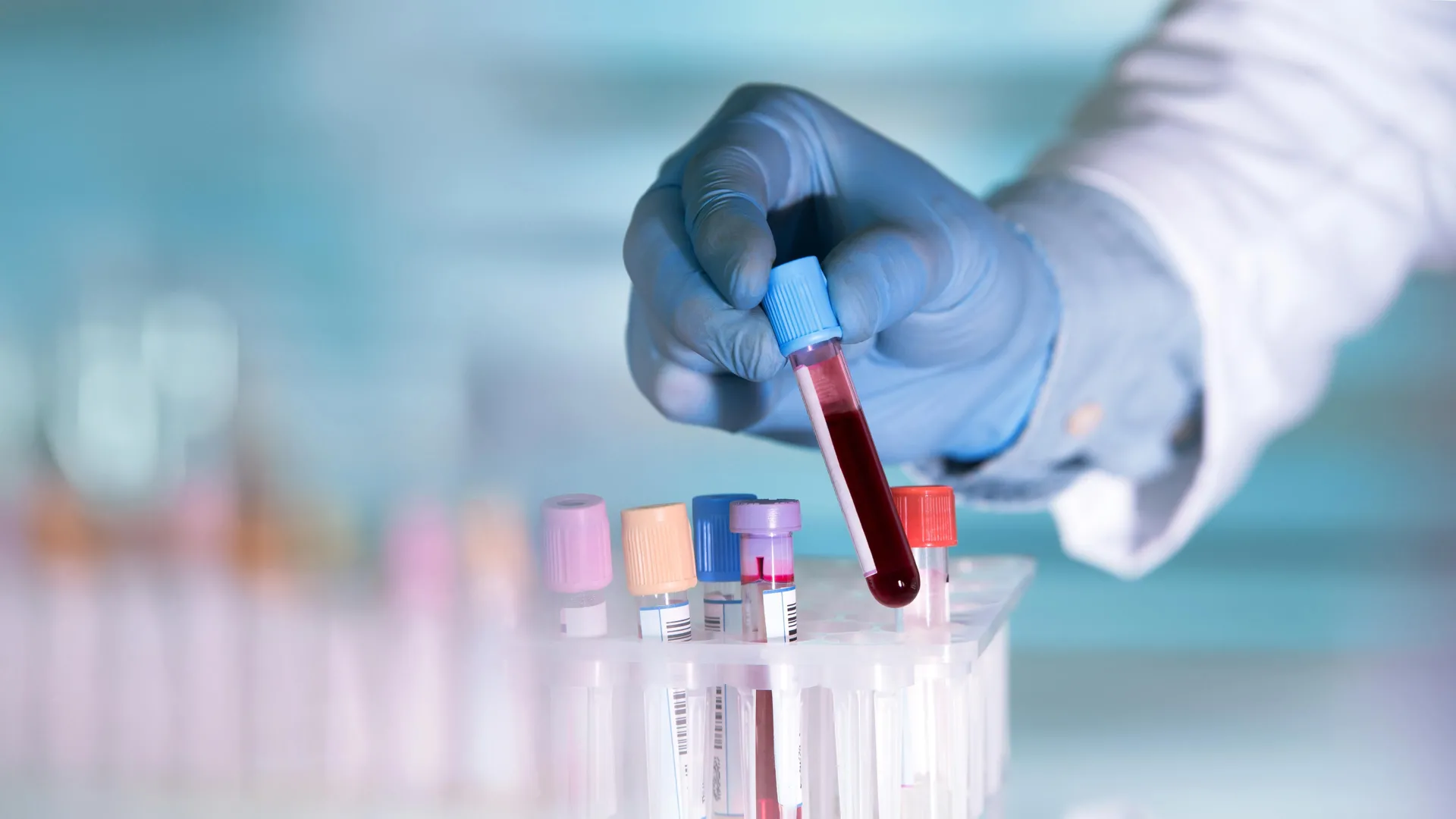
Blood tests that track how certain white blood cells age may help identify depression by focusing on emotional and cognitive symptoms rather than physical ones.
The research, published in The Journals of Gerontology, Series A: Biological Sciences and Medical Sciences, moves scientists closer to finding a reliable biological marker for depression, a condition that affects nearly one in five adults in the United States.
Blood-Based Clues Could Improve Depression Diagnosis
Today, depression is diagnosed based on what patients report about their symptoms. Doctors may order lab tests to rule out other illnesses, but there is still no objective biological test that can confirm depression or detect it early.
Part of the challenge is that depression does not look the same for everyone. While some people experience physical (or somatic) symptoms such as fatigue, appetite changes, or restlessness, others mainly struggle with emotional and cognitive effects. These can include hopelessness, difficulty thinking clearly, or anhedonia -- the inability to feel pleasure and loss of interest in previously enjoyed activities.
"Depression is not a one-size-fits-all disorder -- it can look really different from person to person, which is why it's so important to consider varied presentations and not just a clinical label," said study author Nicole Beaulieu Perez, assistant professor at NYU Rory Meyers College of Nursing. "Our study reveals unique biological underpinnings of mental health that are often obscured by broad diagnostic categories."
Depression, Immune Health, and HIV
Depression is especially common among people with immune-related conditions such as HIV. This higher risk may stem from a combination of chronic inflammation, social stigma, and economic challenges. Women living with HIV are particularly affected, and depression can interfere with their ability to stay engaged in care and consistently take antiretroviral medications.
"For women with HIV who may be experiencing depression, we want to better understand what's going on and catch it earlier so that it doesn't harm their whole overall health," said Perez.
Studying Biological Aging With Epigenetic Clocks
To better understand the biology behind depression, researchers examined signs of accelerated aging in the body. Biological age, which does not always match a person's chronological age, can be estimated using "epigenetic clocks." These tools measure chemical changes to DNA that occur over time.
The study included 440 women -- 261 living with HIV and 179 without HIV -- from the Women's Interagency HIV Study. Depression symptoms were assessed using the Center for Epidemiologic Studies Depression Scale (CES-D), a 20-item questionnaire that evaluates both somatic and non-somatic symptoms.
Blood samples were also analyzed to measure biological aging using two types of epigenetic clocks. One assessed aging across multiple cell types and tissues, while the other focused specifically on monocytes, a type of white blood cell involved in immune responses. Monocytes play an important role in HIV infection and are often elevated in people with depression.
Aging Immune Cells Linked to Emotional Symptoms
The findings showed that aging in monocytes was strongly associated with non-somatic symptoms of depression. These included anhedonia, feelings of hopelessness, and a sense of failure, in both women with and without HIV.
"This is particularly interesting because people with HIV often have physical symptoms like fatigue that are attributed to their chronic illness rather than a depression diagnosis. But this flips that on its head because we found that these measures are associated with mood and cognitive symptoms, not somatic symptoms," said Perez.
In contrast, the broader epigenetic clock that measured multiple cell types did not show a link to depression symptoms.
Toward Earlier Detection and Personalized Treatment
Perez emphasized that more research is needed before these findings can be used in clinical care. Still, the results point to a future where depression could be detected earlier and more precisely through biological testing.
Such advances could eventually support more personalized treatment approaches, including identifying which medications are most likely to work for a specific individual.
"I think about the adage, 'What gets measured gets managed.' An aspirational goal in mental health would be to combine subjective experience with objective biological testing," said Perez. "Our findings bring us a step closer to this goal of precision mental health care, especially for high-risk populations, by providing a biological framework that could guide future diagnosis and treatment."
Additional study authors include Ke Xu of Yale University; Yanxun Xu, Lang Lang, Gypsyamber D'Souza, and Leah Rubin of Johns Hopkins University; Kathryn Anastos of Albert Einstein College of Medicine; Maria Alcaide of the University of Miami Miller School of Medicine; Mardge Cohen of Stroger Hospital of Cook County Health System; Sadeep Shrestha of the University of Alabama at Birmingham; Andrew Edmonds of UNC Chapel Hill; Jacquelyn Meyers of Downstate Health Sciences University; Seble Kassaye of Georgetown University; Igho Ofotokun of Emory University; and Bradley Aouizerat of NYU.
The research was supported by the National Institute of Mental Health (F32MH129151, P30MH075673) and the National Institute on Minority Health and Health Disparities (K08MD019998).
Story Source:
Materials provided by New York University. Note: Content may be edited for style and length.
Journal Reference:
- Nicole Beaulieu Perez, Ke Xu, Yanxun Xu, Lang Lang, Kathryn Anastos, Maria L Alcaide, Mardge Cohen, Sadeep Shrestha, Andrew Edmonds, Jacquelyn Meyers, Seble Kassaye, Igho Ofotokun, Gypsyamber D’Souza, Bradley Aouizerat, Leah H Rubin. Monocyte Epigenetic Age Acceleration is Linked to Non-Somatic Depressive Symptoms in Women with and Without HIV. The Journals of Gerontology, Series A: Biological Sciences and Medical Sciences, 2026; DOI: 10.1093/gerona/glag083
Cite This Page: