
Breakthrough drug reverses aging in skin and dramatically speeds healing
An anti-aging skin treatment helped older mice heal wounds dramatically faster by clearing out damaged “zombie” cells.
- Date:
- May 19, 2026
- Source:
- Impact Journals LLC
- Summary:
- Scientists have discovered that a topical anti-aging drug called ABT-263 can dramatically improve wound healing in older skin. The treatment works by removing damaged “senescent” cells that accumulate with age and slow the body’s repair process. In aged mice, wounds healed much faster after treatment, while the drug also activated genes tied to collagen production and tissue regeneration.
- Share:
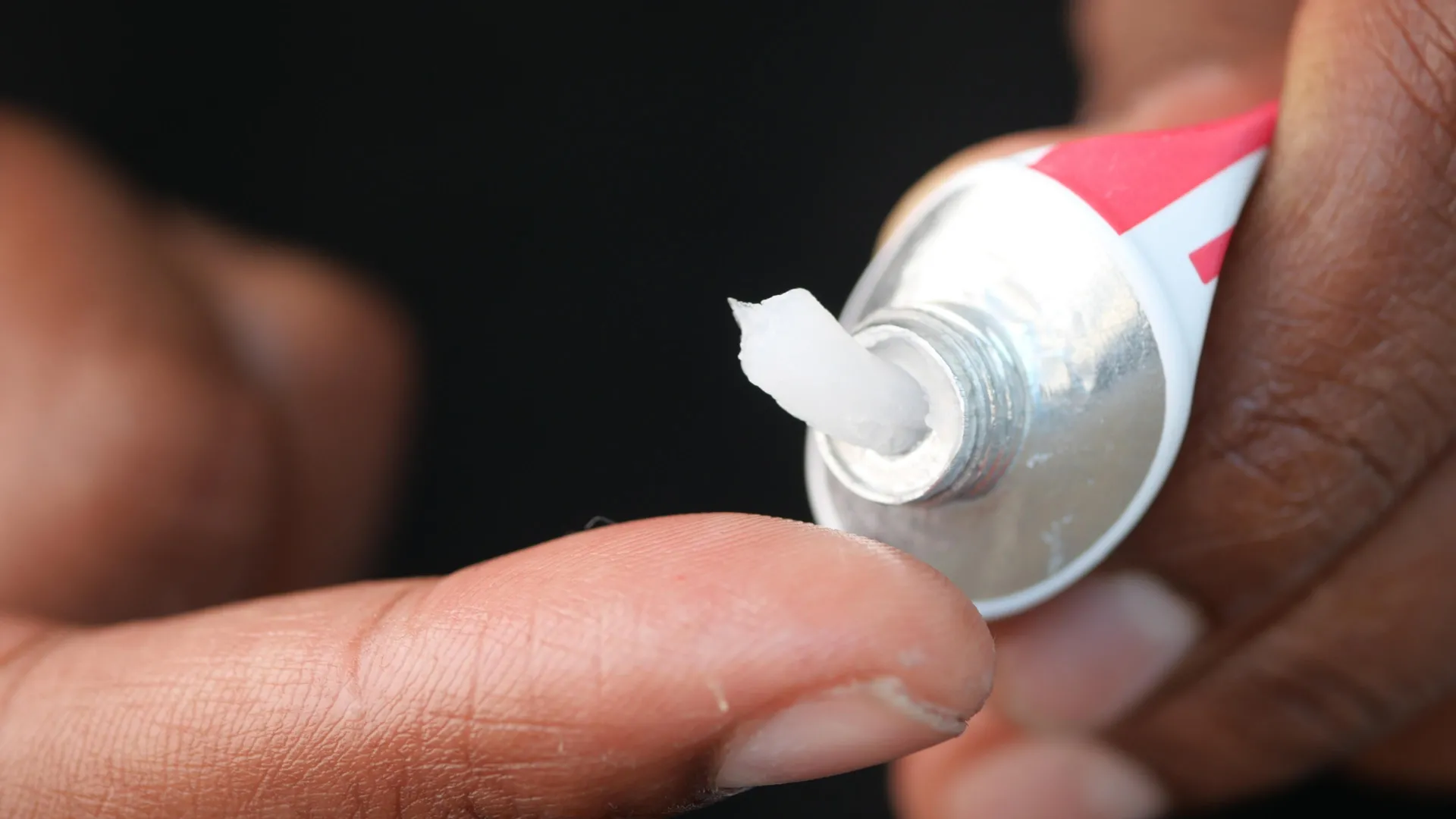
A drug designed to eliminate worn out, aging cells may help older skin recover from injury much faster, according to research published in Aging (Aging-US). The work, titled "Topical ABT-263 treatment reduces aged skin senescence and improves subsequent wound healing," suggests that targeting "zombie cells" in the skin could one day improve healing after surgery, injury, or chronic wounds in older adults.
The research team included Maria Shvedova, Rex Jeya Rajkumar Samdavid Thanapaul, Joy Ha, Jannat Dhillon, Grace H. Shin, Jack Crouch, Adam C. Gower, Sami Gritli, and Daniel S. Roh from Boston University Aram V. Chobanian and Edward Avedisian School of Medicine.
Clearing Out Aging Cells
As skin gets older, damaged cells can accumulate instead of dying off. These cells, known as senescent cells, no longer work normally, but they remain active enough to interfere with nearby tissue. Over time, they can release inflammatory signals and other molecules that weaken the skin's ability to repair itself.
The researchers tested whether ABT-263, a senolytic drug, could reduce this burden when applied directly to aged skin. Senolytic drugs are designed to selectively remove senescent cells, which have been linked to aging, inflammation, and slower tissue repair.
In the study, aged mice received ABT-263 on their skin for five days. After treatment, the skin showed fewer signs of cellular aging. When the researchers then created small wounds, the treated mice healed more quickly than untreated mice.
By day 24, 80% of the mice treated with ABT-263 had fully healed wounds, compared with 56% of untreated mice.
A Surprising Healing Boost
One of the more unexpected findings was that ABT-263 briefly increased inflammation in the skin. In many cases, inflammation is seen as harmful, especially when it becomes chronic. But in this case, the short burst appeared to help prepare the skin for repair.
The treatment seemed to wake up healing pathways that are normally sluggish in older tissue. Gene activity increased in areas tied to wound repair, including collagen production, blood vessel growth, tissue remodeling, and other processes needed to close and strengthen damaged skin.
This matters because aging skin does not just wrinkle or thin. It also becomes less responsive after injury. That slower response can increase the risk of prolonged recovery after surgery, delayed closure of wounds, and complications in people with chronic skin injuries.
Why Topical Treatment Matters
ABT-263 has drawn interest because it can target senescent cells, but oral senolytic drugs may cause side effects because they circulate through the body. Applying the drug directly to the skin could offer a more focused approach.
In this study, topical ABT-263 reduced signs of senescence in aged mice, but it did not appear to have the same effect in young mice. That suggests the treatment may be most active in older tissue, where senescent cells have built up.
The researchers believe this targeted approach could be especially useful before surgery or in people at risk for poor wound healing. Instead of waiting for a wound to struggle, a treatment might one day help prepare older skin in advance.
"Our study underscores the potential of topical senolytic treatments to enhance wound healing in aging skin, presenting a potentially promising strategy for preoperative care."
Newer Research Points in the Same Direction
Since this 2024 work, the broader field has continued moving toward localized senolytic strategies for skin repair. A 2025 review in Ageing Research Reviews described cellular senescence as a key contributor to skin aging and skin disease, while noting that senolytics and related therapies could become useful tools for targeting harmful senescent cells in the skin.
A 2026 study took the idea further in diabetic wound healing, a major medical challenge often marked by chronic inflammation, poor blood vessel growth, and cellular senescence. Researchers developed a localized wound dressing carrying ABT-263 and reported that it reduced senescent cell burden, improved healing in diabetic mice, and showed no detectable systemic toxicity in that model.
At the same time, scientists are careful not to portray senescent cells as purely bad. A 2024 Frontiers in Immunology review emphasized that senescence can play a helpful role during normal wound repair, but persistent senescent cells may contribute to chronic wounds, fibrosis, and abnormal healing. The challenge is timing and precision: removing the harmful lingering cells without disrupting the useful early repair signals.
Promise With Important Caution
The findings are exciting, but they are still early. The ABT-263 skin study was done in mice, and more work is needed before scientists know whether the treatment is safe or effective in people.
Researchers will also need to answer key questions about dosing, timing, long term safety, and whether the benefits apply to human skin, surgical recovery, diabetic wounds, or other slow healing conditions.
Still, the idea is powerful. By clearing away cells that hold aging skin back, topical senolytic treatments could someday help the body repair itself more quickly and more effectively. For older adults facing surgery or chronic wounds, that could make healing less difficult, less risky, and far faster.
Story Source:
Materials provided by Impact Journals LLC. Note: Content may be edited for style and length.
Journal Reference:
- Maria Shvedova, Rex Jeya Rajkumar Samdavid Thanapaul, Joy Ha, Jannat Dhillon, Grace H. Shin, Jack Crouch, Adam C. Gower, Sami Gritli, Daniel S. Roh. Topical ABT-263 treatment reduces aged skin senescence and improves subsequent wound healing. Aging, 2024; 17 (1): 16 DOI: 10.18632/aging.206165
Cite This Page: