
This AI app can tell which dinosaur made a footprint
An AI app is decoding dinosaur footprints—and may have just spotted the world’s oldest birds hiding in plain sight.
- Date:
- February 1, 2026
- Source:
- University of Edinburgh
- Summary:
- Dinosaur footprints have always been mysterious, but a new AI app is cracking their secrets. DinoTracker analyzes photos of fossil tracks and predicts which dinosaur made them, with accuracy rivaling human experts. Along the way, it uncovered footprints that look strikingly bird-like—dating back more than 200 million years. That discovery could push the origin of birds much deeper into prehistory.
- Share:
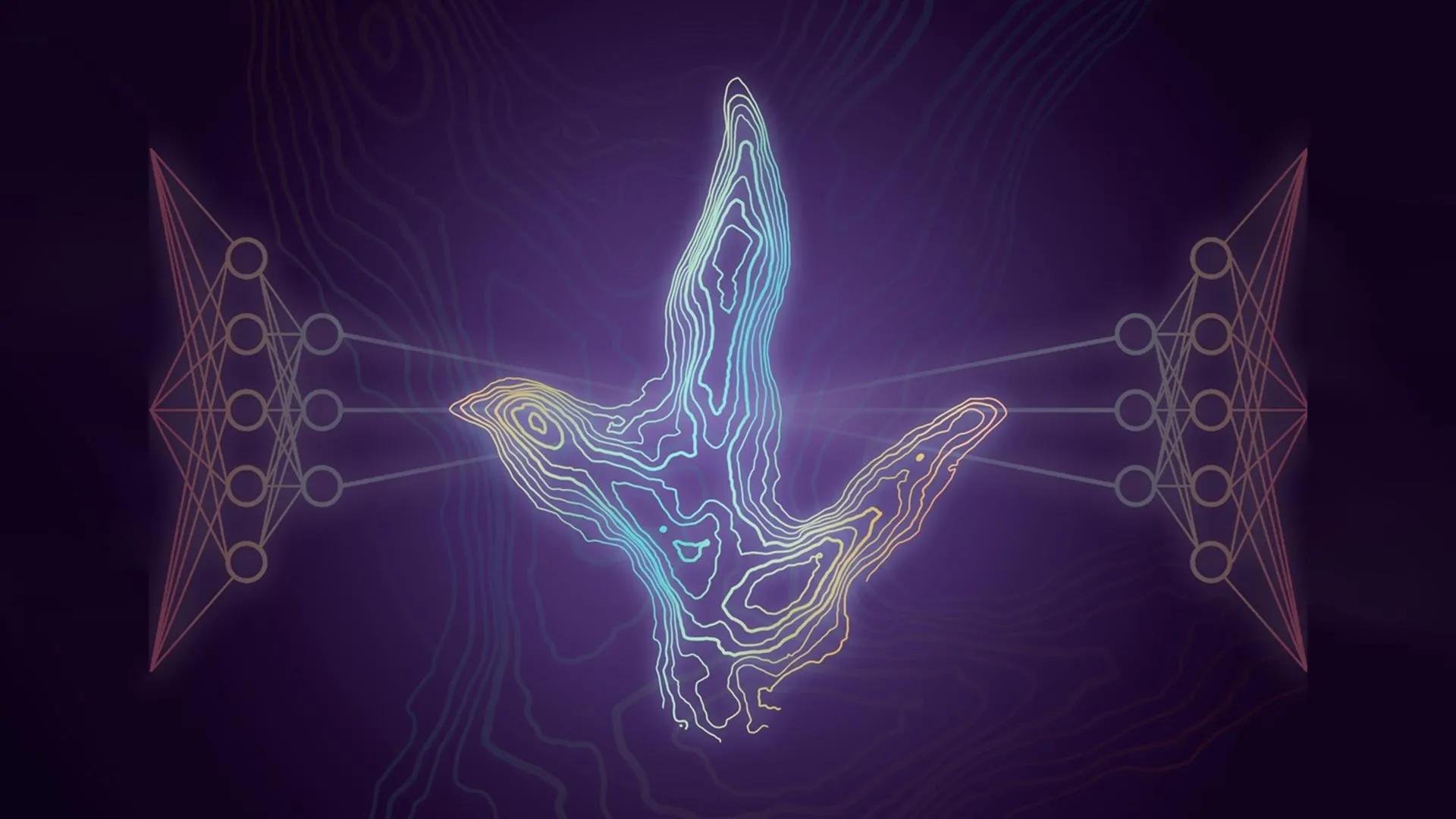
A newly developed app powered by artificial intelligence (AI) is giving scientists and the public a new way to identify dinosaur footprints left behind millions of years ago, according to a recent study. The technology aims to make sense of fossil tracks that have long challenged researchers.
For many years, paleontologists have studied ancient footprints while debating what kinds of animals created them. Some tracks may belong to meat eating predators, others to plant eating dinosaurs, and some have even raised questions about whether early bird species were involved.
Turning Photos Into Instant Analysis
With the new DinoTracker app, researchers and dinosaur fans can upload a photo or drawing of a footprint using a mobile phone and receive an immediate analysis. The app evaluates the shape and structure of the track to estimate which type of dinosaur likely made it.
Fosilized dinosaur footprints offer valuable insight into prehistoric life, helping scientists understand how dinosaurs moved and behaved. However, earlier studies have shown that these tracks are often difficult to interpret because their shapes can be altered over time.
Moving Beyond Traditional Methods
In the past, researchers relied on manually built computer databases that linked specific footprints to specific dinosaurs. Experts note that this approach could introduce bias, especially when the identity of a track was uncertain or disputed.
To address this problem, a research team led by the Helmholtz-Zentrum research centre in Berlin, working with the University of Edinburgh, developed advanced algorithms that allow computers to learn on their own how dinosaur footprints vary in shape.
The AI system was trained on nearly 2,000 real fossil footprints, along with millions of additional simulated examples. These extra variations were designed to reflect realistic changes, such as compression and edge displacement, that occur as footprints are preserved over time.
What the AI Looks For
The model learned to recognize eight key features that distinguish one footprint from another. These included how far the toes spread, where the heel was positioned, how much surface area contacted the ground, and how weight was distributed across different parts of the foot.
After identifying these variations, the system compared new footprints with known fossil examples to predict which dinosaur most likely made the tracks.
When evaluated, the algorithm matched the classifications made by human experts about 90 percent of the time, even for species that are considered controversial or difficult to identify.
Unexpected Links to Birds
One of the most surprising findings came from tracks that are more than 200 million years old. The AI detected striking similarities between some dinosaur footprints and the feet of both extinct and modern birds.
According to the research team, this could mean that birds emerged tens of millions of years earlier than scientists have previously believed. Another possibility is that some early dinosaurs happened to have feet that closely resembled bird feet by coincidence.
New Insights From Scotland
The system also offered new clues about mysterious footprints found on the Isle of Skye in Scotland. These tracks were formed on the muddy edge of a lagoon around 170 million years ago and have puzzled scientists for decades.
The analysis suggests that these footprints may have been left by some of the oldest known relatives of duck-billed dinosaurs, making them among the earliest examples of this group identified anywhere in the world.
Opening Paleontology to Everyone
Researchers say the technology creates new opportunities to study how dinosaurs lived and moved across the Earth. It also gives the public a chance to take part in fossil research by analyzing footprints themselves.
The study was published in PNAS and funded by the innovations pool of the BMBF-Project: Data-X, the Helmholtz project ROCK-IT, the Helmholtz-AI project NorMImag the National Geographic Society and the Leverhulme Trust.
Dr. Gregor Hartmann of Helmholtz-Zentrum research center, said: "Our method provides an unbiased way to recognize variation in footprints and test hypotheses about their makers. It's an excellent tool for research, education, and even fieldwork."
Professor Steve Brusatte, Personal Chair of Palaeontology and Evolution, School of GeoSciences, said: "This study is an exciting contribution for paleontology and an objective, data-driven way to classify dinosaur footprints -- something that has stumped experts for over a century.
"It opens up exciting new possibilities for understanding how these incredible animals lived and moved, and when major groups like birds first evolved. This computer network might have identified the world's oldest birds, which I think is a fantastic and fruitful use for AI."
Story Source:
Materials provided by University of Edinburgh. Note: Content may be edited for style and length.
Journal Reference:
- Gregor Hartmann, Tone Blakesley, Paige E. dePolo, Stephen L. Brusatte. Identifying variation in dinosaur footprints and classifying problematic specimens via unbiased unsupervised machine learning. Proceedings of the National Academy of Sciences, 2026; 123 (5) DOI: 10.1073/pnas.2527222122
Cite This Page: