
Exercise may not help hip arthritis as much as patients expect
Exercise may help hip arthritis, but the relief may be far less noticeable than patients hope.
- Date:
- July 27, 2026
- Source:
- Cochrane
- Summary:
- A major review found that exercise produces only small average improvements in hip osteoarthritis pain and physical function. It may still help some people, but researchers warn that current evidence is too limited to know which exercises work best.
- Share:
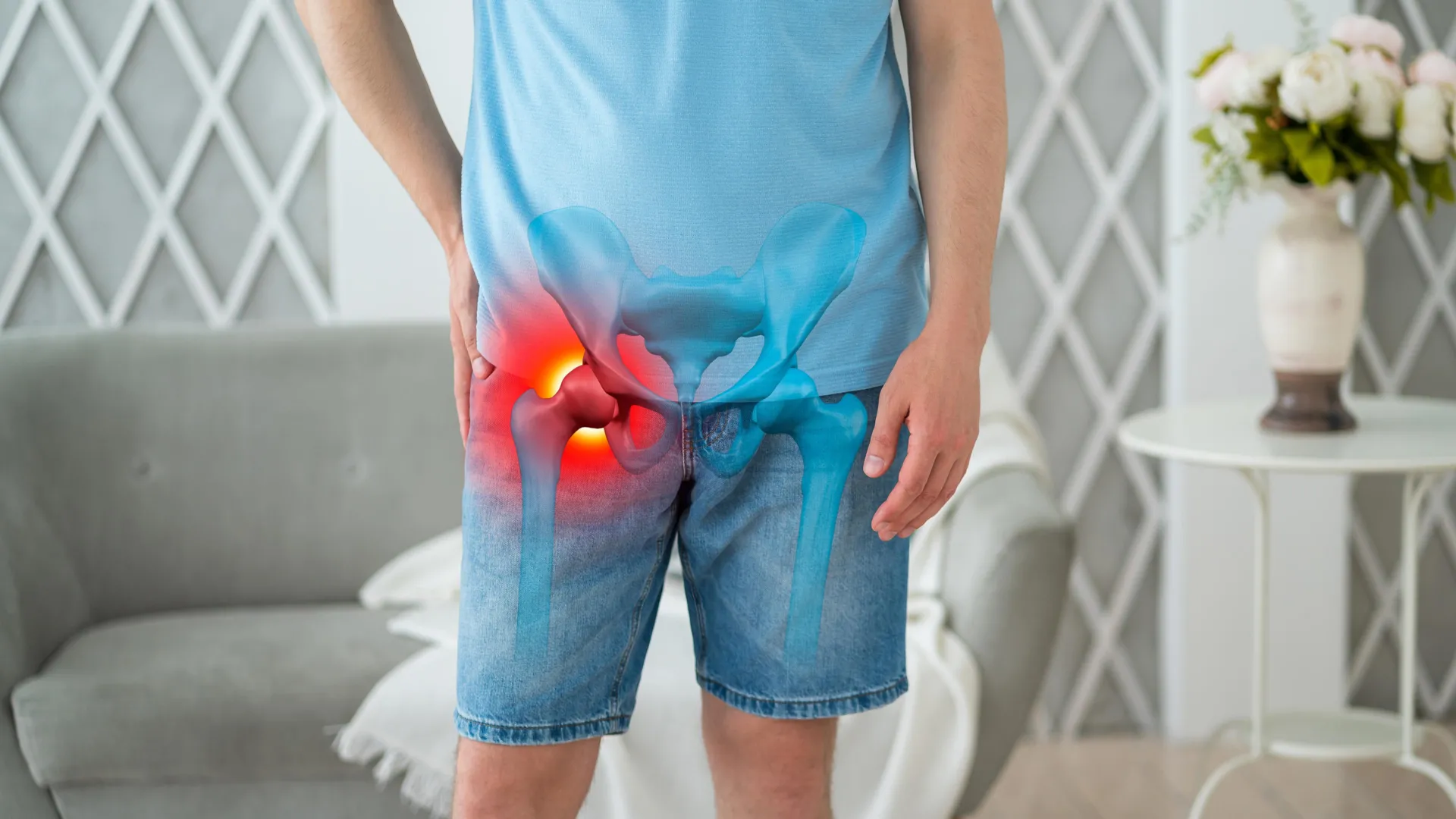
Exercise may provide some relief for people with hip osteoarthritis, but the improvements in pain and physical function may be too small for many patients to notice in everyday life, according to a new Cochrane review. The researchers caution that stronger evidence is still needed before firm conclusions can be drawn.
Hip osteoarthritis affects millions of people around the world and is a major cause of long-term pain and disability. Exercise is commonly recommended as one of the first treatments for reducing symptoms and maintaining mobility.
Exercise Benefits May Be Modest
Researchers from the University of Sydney and University of Melbourne found that exercise leads to small average improvements in pain and physical function among people with hip osteoarthritis. However, those gains may not be large enough to create a meaningful difference in patients' daily lives.
The review analyzed 18 clinical trials involving 1,368 participants. Most were women (63%), and their ages ranged from 53 to 74, so the results may not apply as well to younger adults.
The exercise programs differed considerably across the studies. They lasted anywhere from two to 52 weeks and included strengthening exercises, aerobic activity, and mind-body approaches.
Pain Relief May Fall Below Noticeable Levels
When exercise was compared with usual care or no treatment, it probably lowered pain by about 7 points on a 100-point scale. Experts generally consider a reduction of at least 12 points necessary for patients to notice a meaningful improvement in daily life.
Physical function followed a similar pattern, with only modest average gains. The researchers noted that the thresholds used to define a meaningful improvement were developed mainly from studies involving knee osteoarthritis or mixed groups of osteoarthritis patients. As a result, they may not perfectly reflect the experience of people with hip osteoarthritis.
Exercise also appeared to produce little or no improvement in quality of life, regardless of which comparison group was used.
"Exercise is recommended as a primary treatment for hip osteoarthritis, and this review doesn't overturn that," said Michelle Hall, co-lead author from the University of Sydney. "But it does suggest we should be honest with patients that the average benefit may be modest, and that we need better-designed trials to understand who benefits most and from which type of exercise."
Exercise Is Still Recommended
The findings do not suggest that exercise is ineffective or that it should no longer be recommended. Physical activity provides many health benefits beyond arthritis, costs relatively little, and is unlikely to cause harm.
Still, most of the studies included in the review were small and unblinded, which may have affected the results. Because participants knew whether they were exercising and reported their own pain and function, the benefits of exercise may have appeared larger than they actually were.
Better Hip Osteoarthritis Studies Are Needed
The authors say larger and more carefully designed trials are needed to show what exercise can realistically accomplish for people with hip osteoarthritis. Future research should also identify which types of exercise are most effective for particular patients.
"There just isn't a huge body of evidence out there," said Belinda Lawford, co-lead author from the University of Melbourne. "For some people struggling with hip pain, exercise can really be their only hope, but I also don't want to give patients false hope. It's important future research is done with larger, better-quality trials, examining what types of exercise work specifically for different people."
Story Source:
Materials provided by Cochrane. Note: Content may be edited for style and length.
Journal Reference:
- Michelle Hall, Belinda J Lawford, Rana S Hinman, Fiona Dobson, Libby Spiers, Alex Kimp, Helen P French, Stephan Reichenbach, Gabriela Hernandez-Molina, Kim L Bennell. Exercise for osteoarthritis of the hip. Cochrane Database of Systematic Reviews, 2026; 2026 (7) DOI: 10.1002/14651858.CD007912.pub3
Cite This Page: