
Scientists reveal the best exercise for knee arthritis pain relief
Walking, cycling, and swimming lead the way as the most effective and safest exercises for knee osteoarthritis relief.
- Date:
- April 30, 2026
- Source:
- BMJ Group
- Summary:
- A major review of 217 trials shows that aerobic exercise is the most effective option for managing knee osteoarthritis. Activities like walking, cycling, and swimming outperformed other exercise types in reducing pain and improving movement. While alternatives like strength training and mind-body exercises help, they are best used alongside aerobic workouts. The findings also confirm that exercise is a safe and essential part of treatment.
- Share:
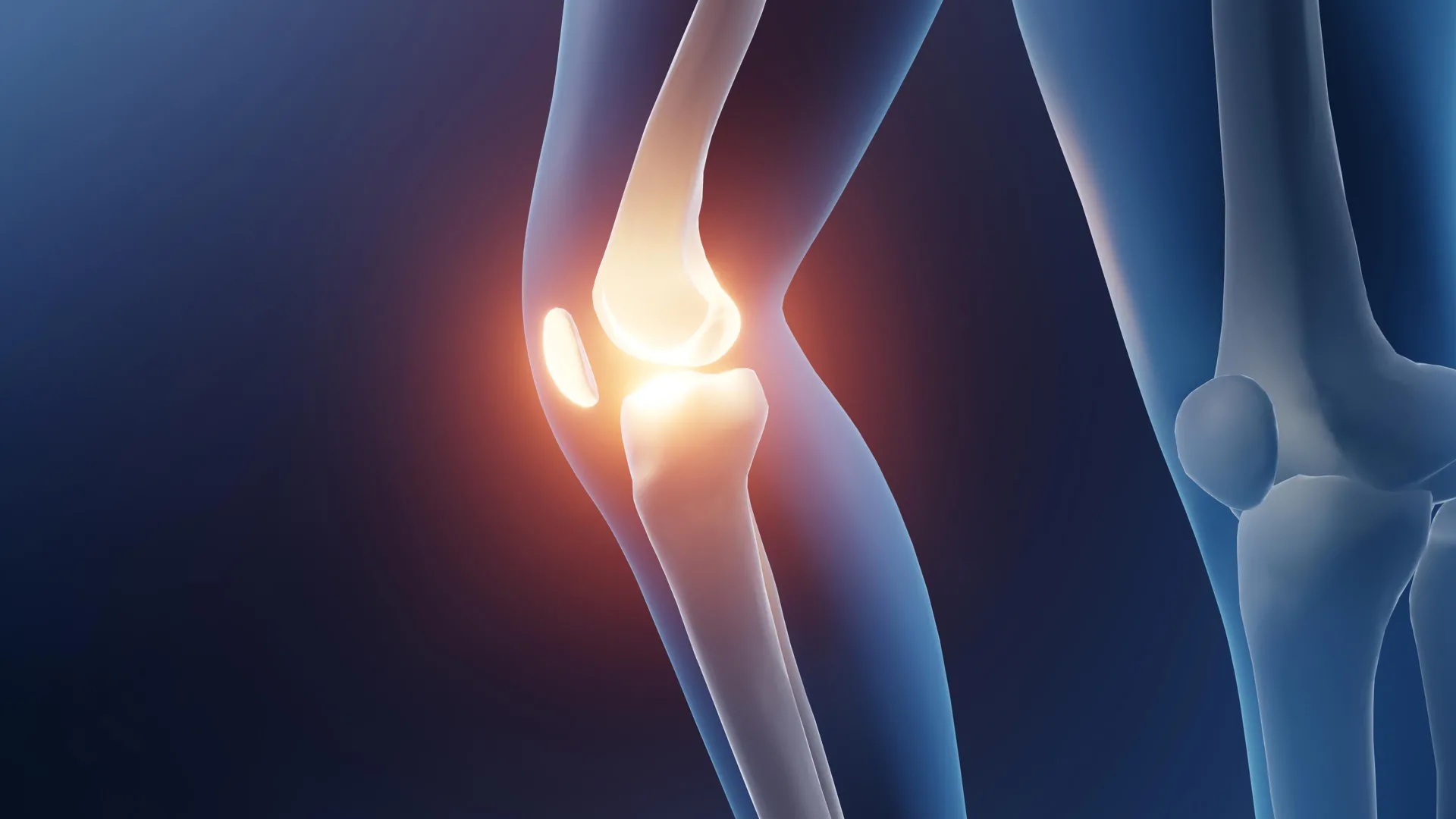
A large study published in The BMJ suggests that aerobic activities such as walking, cycling, and swimming are the most effective exercises for people with knee osteoarthritis. These activities were found to provide the greatest improvements in pain, physical function, walking ability, and overall quality of life.
Researchers note that while other types of exercise can still help, they should be used alongside aerobic activity rather than replacing it as the primary approach.
What Causes Knee Osteoarthritis
Osteoarthritis develops when the cartilage that cushions the ends of bones gradually breaks down. This leads to pain, swelling, and difficulty moving the joint. Although it can affect different parts of the body, the knees are especially vulnerable. Nearly 30% of adults over 45 show signs of knee osteoarthritis on x-rays, and about half of them experience severe symptoms.
Exercise is widely recommended as a key part of treatment, but current guidelines often lack clear advice on which specific types work best for knee osteoarthritis.
Large Review of 217 Clinical Trials
To address this gap, researchers carried out a comprehensive analysis of exercise therapies. They reviewed 217 randomized trials conducted between 1990 and 2024, involving a total of 15,684 participants. These studies compared several forms of exercise, including aerobic, flexibility, strengthening, mind-body, neuromotor, and mixed programs, against control groups.
Although the quality of the trials varied, the researchers used the recognized GRADE system to evaluate how reliable the evidence was.
Measuring Pain, Function, and Quality of Life
The analysis focused on key outcomes that matter most to patients. These included pain levels, physical function, gait performance, and quality of life. Results were examined at short term (four weeks), mid-term (12 weeks), and long term (24 weeks) follow up.
Across these measures, aerobic exercise consistently ranked as the most effective option among all exercise types studied.
Aerobic Exercise Shows the Strongest Results
Evidence with moderate certainty showed that aerobic exercise reduced pain in both the short and mid-term. It also improved physical function across short term, mid-term, and long term timeframes. In addition, it enhanced walking ability and quality of life in the short and mid-term.
Other forms of exercise also delivered meaningful benefits. Mind-body approaches likely improved short term function, while neuromotor training likely boosted short term gait performance. Strengthening and mixed exercise programs appeared to improve function at mid-term follow up.
Exercise Is Safe and Widely Beneficial
Importantly, none of the exercise types were linked to a higher risk of adverse events compared with control groups. This supports the idea that exercise is a safe and reliable treatment option for knee osteoarthritis.
The researchers did point out some limitations. Many of the comparisons were indirect, some outcomes lacked long term data, and smaller studies may have influenced early results.
Clear Guidance for Treatment
Despite these limitations, the study offers one of the most thorough and up-to-date evaluations of exercise for knee osteoarthritis. The findings can help guide clinicians in choosing the most effective therapies for their patients.
Based on the results, the researchers recommend aerobic exercise "as a first line intervention for knee osteoarthritis management, particularly when the aim is to improve functional capacity and reduce pain." They also note that if aerobic exercise is not suitable due to individual limitations, "alternative forms of structured physical activity may still be beneficial."
Story Source:
Materials provided by BMJ Group. Note: Content may be edited for style and length.
Journal Reference:
- Lei Yan, Dijun Li, Dan Xing, Zijuan Fan, Guangyuan Du, Jingwei Jiu, Xiaoke Li, Janne Estill, Qi Wang, Ahmed Atef Belal, Chen Tian, Jiao Jiao Li, Songyan Li, Haifeng Liu, Xuanbo Liu, Yijia Ren, Yiqi Yang, Jinxiu Chen, Yihe Hu, Long Ge, Bin Wang. Comparative efficacy and safety of exercise modalities in knee osteoarthritis: systematic review and network meta-analysis. BMJ, 2025; 391: e085242 DOI: 10.1136/bmj-2025-085242
Cite This Page: