
A 37-year soil experiment revealed a hidden climate threat
- Date:
- July 14, 2026
- Source:
- Marine Biological Laboratory
- Summary:
- The world's longest-running soil warming experiment has revealed an unexpected climate concern. After nearly four decades, researchers found that warming can cause microbes to break down stable soil carbon that scientists once believed was largely protected. That releases extra carbon dioxide into the atmosphere, potentially accelerating global warming.
- Share:
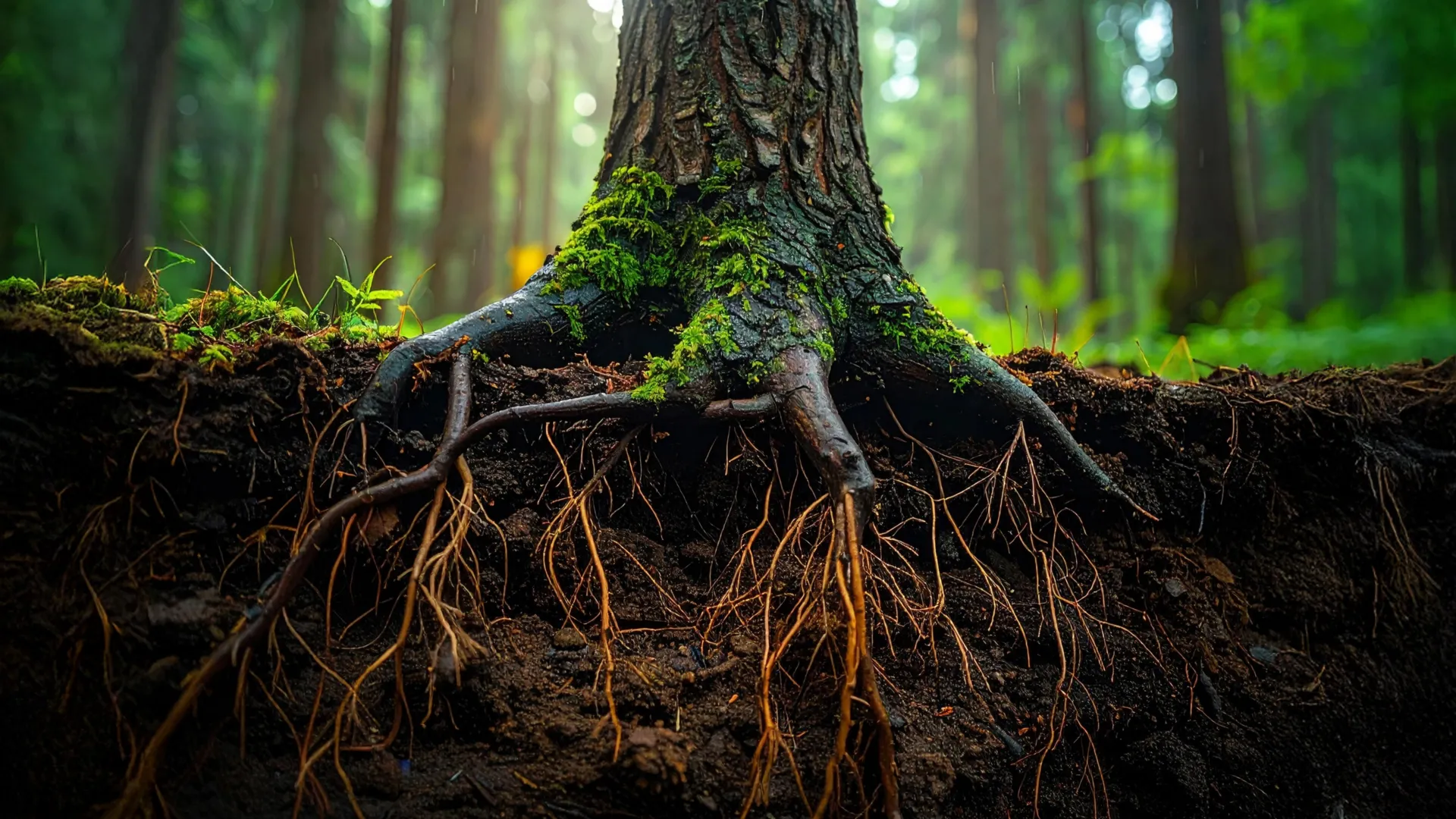
After nearly 40 years of research, scientists have uncovered evidence that challenges a long held assumption about forest soils. The world's longest running soil warming experiment suggests that even carbon once considered stable can begin to break down as temperatures rise, releasing additional CO2 into the atmosphere.
Jerry Melillo, a Distinguished Scientist at the Marine Biological Laboratory, has spent the past 37 years studying heated plots in the Harvard Forest in central Massachusetts. Throughout the experiment, researchers kept the soil at 5 °C above the surrounding ground year round.
According to Melillo, the team selected a five degree increase because it represented the upper range of global warming projections when the experiment began decades ago.
"Microbes are critical components of soil ecosystems because they break down organic matter and recycle elements essential for plant growth," explains Melillo. "As warming reshapes these microbial communities, it can speed the loss of carbon from soils."
Rising Temperatures Change How Forest Soils Store Carbon
The decades long experiment allowed researchers to watch how the soil responded over an unusually long period. During the fourth decade of warming, they observed that stable portions of soil organic matter, once believed to resist warming mediated decomposition, also began to break down.
As these long lasting carbon stores decompose, they release additional CO2 into the atmosphere. The finding suggests that forest soils may contribute more carbon to the atmosphere under continued warming than scientists previously expected.
Global average temperatures have already increased by about 1.1 to 1.4 °C since the Industrial Revolution. Melillo notes that future warming will depend largely on actions taken to reduce greenhouse gas emissions.
"If we dramatically cut CO2 emissions from fossil fuel burning, or reduce deforestation, the projected increase would be lower," Melillo explains.
Better Climate Models Through Long Term Research
The newly observed breakdown of stable soil carbon points to a potentially stronger climate feedback loop. As the planet warms, soils can release more carbon, which in turn adds more CO2 to the atmosphere and may contribute to additional warming.
Researchers say incorporating this newly identified process into climate models should improve projections of future climate change and provide a more complete picture of how Earth's carbon cycle responds to rising temperatures.
Story Source:
Materials provided by Marine Biological Laboratory. Note: Content may be edited for style and length.
Journal Reference:
- Atzín X. San Román, Serita D. Frey, Melissa A. Knorr, Huan Tong, Jerry M. Melillo, Myrna J. Simpson. Three decades of continuous warming in temperate forests destabilizes persistent forms of soil organic matter. Science of The Total Environment, 2026; 1029: 181777 DOI: 10.1016/j.scitotenv.2026.181777
Cite This Page: