
Eating more beans and soy could slash high blood pressure risk by nearly 30%
Beans and soy foods may be an unexpectedly powerful recipe for lowering high blood pressure risk.
- Date:
- May 26, 2026
- Source:
- BMJ Group
- Summary:
- Eating more beans, lentils, chickpeas, tofu, and other soy foods could be a surprisingly powerful way to fight high blood pressure. A major analysis of studies from around the world found that people with the highest intake of legumes were 16% less likely to develop hypertension, while those eating the most soy foods had a 19% lower risk.
- Share:
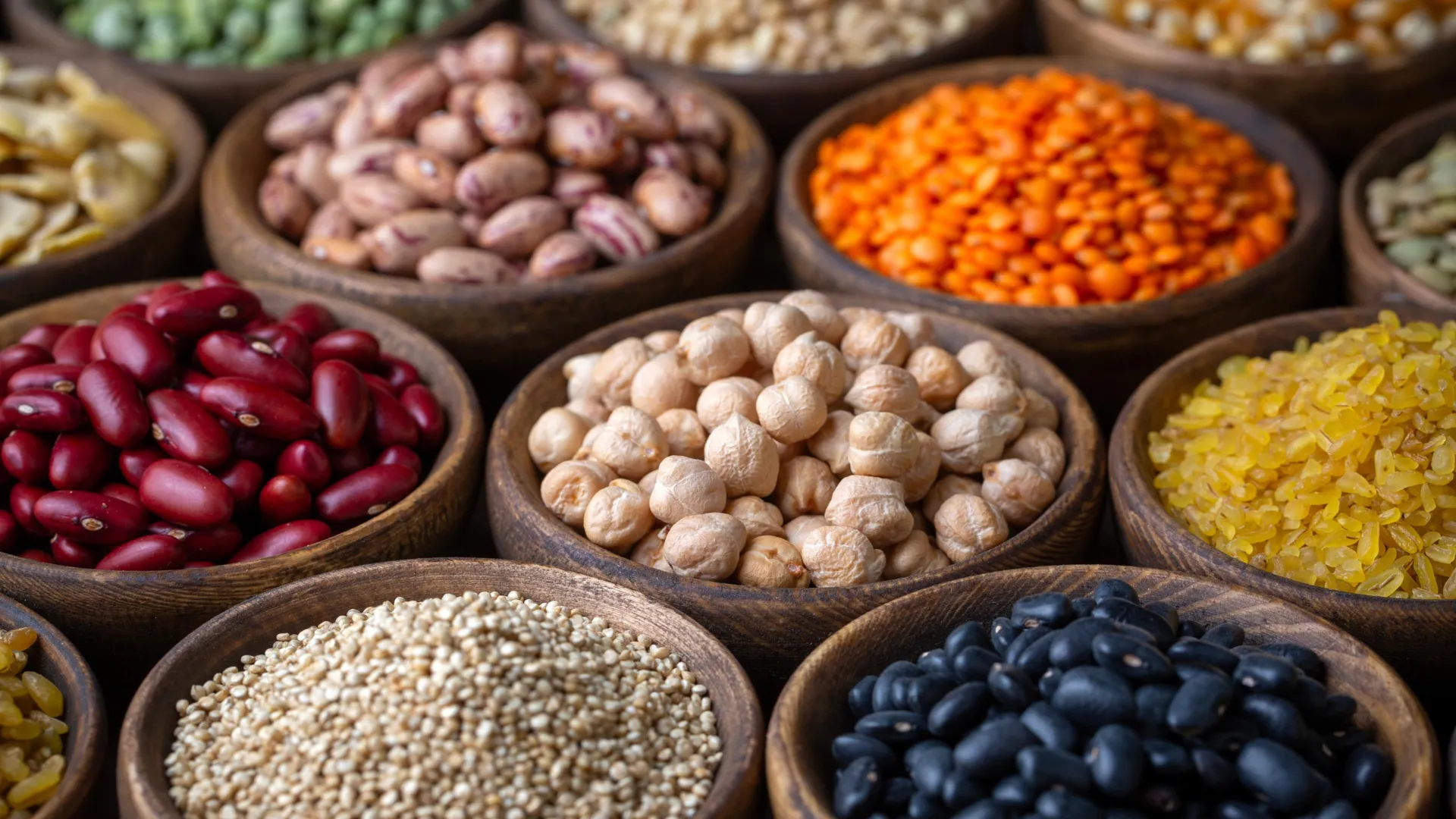
Eating more legumes and soy foods may help lower the risk of developing high blood pressure, according to a large new analysis published in the open access journal BMJ Nutrition Prevention & Health.
Researchers found that people who regularly consumed foods such as beans, lentils, chickpeas, tofu, edamame, and soy milk were less likely to develop hypertension. The strongest benefits appeared at around 170 grams of legumes per day and 60 to 80 grams of soy foods daily.
Legumes include foods like peas, lentils, chickpeas, and beans. Soy foods include tofu, soy milk, edamame, tempeh, and miso.
Major Review Combined Data From Multiple Countries
Previous studies have linked legumes and soy foods to better heart health overall, but evidence specifically connecting them to lower blood pressure has been inconsistent. To better understand the relationship, researchers reviewed studies published through June 2025.
The analysis included 10 published papers containing data from 12 long term observational studies conducted in the United States, Europe, and Asia. Five studies came from the US, five from Asian countries including China, Iran, South Korea, and Japan, and two from Europe, specifically France and the UK.
Nine studies included both men and women, while two focused only on women and one included only men. Study sizes ranged from 1,152 participants to 88,475 participants. Cases of high blood pressure ranged from 144 to more than 35,000.
Higher Intake Linked to Lower Hypertension Risk
After pooling the data, researchers found a clear connection between higher intake of legumes and soy foods and a reduced likelihood of developing high blood pressure.
People with the highest legume intake were 16% less likely to develop hypertension compared with those eating the lowest amounts. For soy foods, the reduction in risk reached 19%.
The researchers also looked at how risk changed depending on the amount consumed. For legumes, the risk reduction increased steadily up to around 170 grams per day, eventually reaching about 30%. For soy foods, most of the benefit appeared between 60 and 80 grams daily, lowering risk by roughly 28% to 29%. Eating more soy beyond that level did not appear to provide additional benefits.
According to the researchers, 100 grams of legumes or soy is roughly equal to one cup or 5 to 6 tablespoons of cooked beans, peas, lentils, chickpeas, or soybeans, or about a palm sized serving of tofu.
Why Legumes and Soy May Help Blood Pressure
Using World Cancer Research Fund evidence grading criteria, the researchers concluded that the evidence points to a probable causal relationship between higher intake of legumes and soy foods and a lower risk of hypertension.
They say there are several biologically plausible explanations for the findings. Legumes and soy foods are rich in potassium, magnesium, and dietary fiber, nutrients already known to support healthy blood pressure.
The researchers also noted that recent studies suggest soluble fiber from legumes and soy can be fermented in the gut to produce short chain fatty acids, compounds that may help blood vessels relax and widen. Soy foods also contain isoflavones, plant compounds that may contribute to lower blood pressure levels.
Researchers Note Study Limitations
The authors acknowledged several limitations in the analysis. The included studies varied in the types of legumes consumed, preparation methods, overall diet patterns, and definitions of high blood pressure. Intake levels also differed significantly between studies.
"Despite these limitations, the findings of this meta-analysis have major public health implications, given the alarming global increase in hypertension prevalence," they wrote.
The researchers also pointed out that average legume intake across Europe and the UK remains far below recommended levels.
"Current legume consumption across Europe and the UK remains below dietary recommendations, with average intakes of only 8-15 g/day, far below the recommendations of 65 to 100 g/day recommended for overall cardiovascular health," they added.
"Although further large-scale cohorts are needed for confirmation, these findings provide further evidence in support of dietary recommendations to the public to prioritize and integrate legumes and soy foods as healthy protein sources in the diet," the researchers concluded.
Experts Say Findings Strengthen Plant Based Diet Evidence
Professor Sumantra Ray, chief scientist and executive director of NNEdPro Global Institute for Food, Nutrition and Health, which co-owns BMJ Nutrition Prevention & Health, said the findings add important support to research on plant based diets and cardiovascular health.
"This research strengthens the evidence base for the cardioprotective benefits of plant-based diets. The authors have significantly added to the case for using legumes and soy as primary dietary strategies to mitigate the global burden of hypertension," he commented.
He also highlighted the study's dose response analysis, which helped identify practical intake targets that could potentially be used in dietary guidelines and clinical care.
At the same time, he cautioned that unmeasured factors could still have influenced the results and noted that the plateau in soy benefits above 60 to 80 grams per day requires more research.
"But we can't entirely rule out the influence of unmeasured influential factors. And the plateauing of benefits for soy at 60-80 g/day warrants further investigation, as it remains unclear if this reflects a true biological limit or is a byproduct of the smaller number of studies available for analysis."
Story Source:
Materials provided by BMJ Group. Note: Content may be edited for style and length.
Journal Reference:
- Michael Metoudi, Isabelle Sadler, Shireen Kassam, Dagfinn Aune. Legume and soy consumption and the risk of hypertension: a systematic review and dose–response meta-analysis of prospective studies. BMJ Nutrition, Prevention, 2026; e001449 DOI: 10.1136/bmjnph-2025-001449
Cite This Page: