
Scientists just debunked a 50-year myth about Hawaii’s birds
- Date:
- April 14, 2026
- Source:
- University of Hawaii at Manoa
- Summary:
- A new study from the University of Hawaiʻi at Mānoa is overturning a decades-old belief that Indigenous Hawaiians hunted native waterbirds to extinction. Instead, researchers found no scientific evidence supporting this claim and propose a more complex explanation involving climate change, invasive species, and shifts in land use—many occurring before Polynesian arrival or after traditional stewardship systems were disrupted.
- Share:
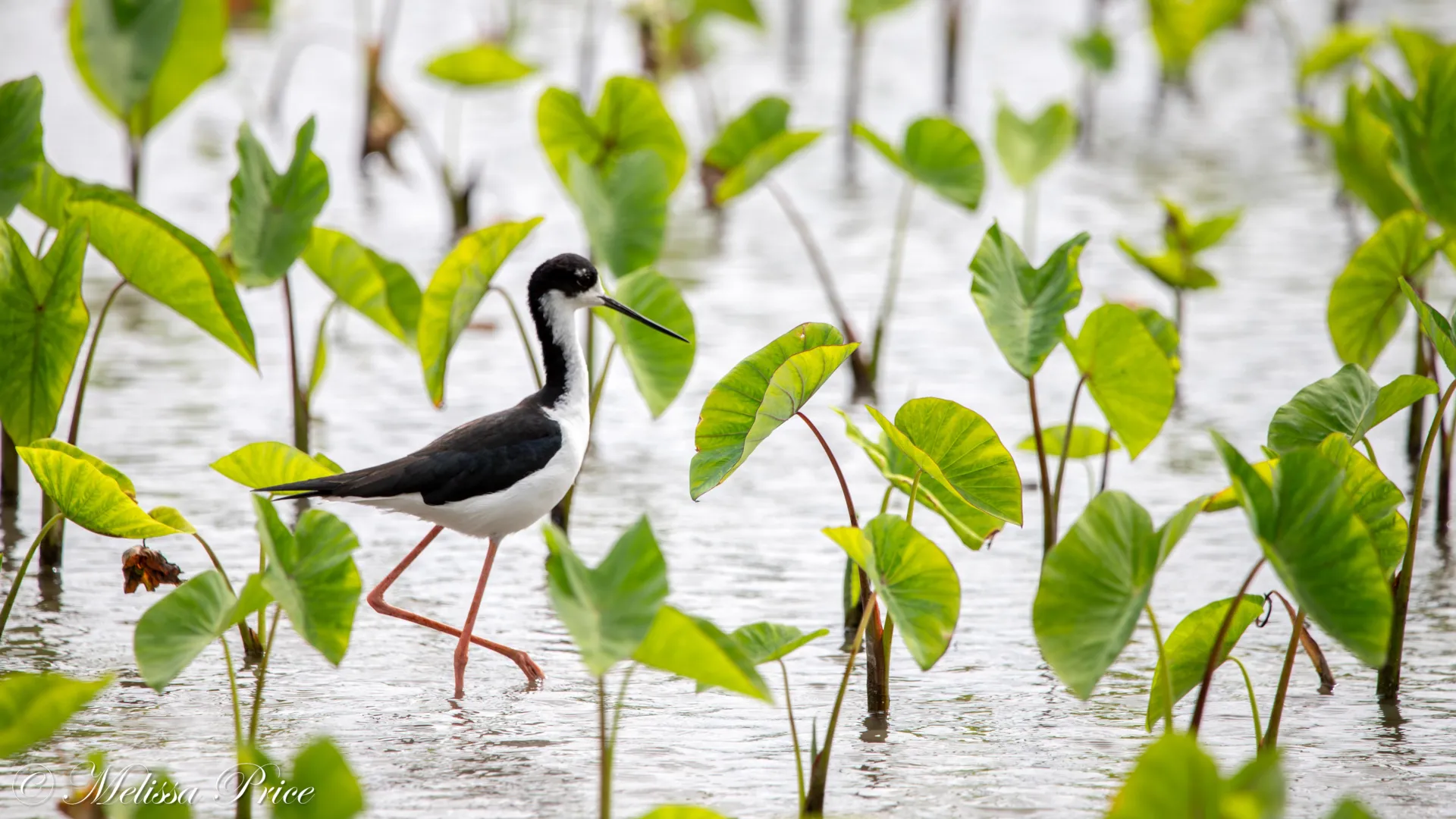
A new study from the University of Hawaiʻi at Mānoa is reshaping a decades-old belief about the disappearance of Hawaiʻi's native waterbirds. Researchers report that there is no scientific evidence showing Indigenous People hunted these species to extinction. Published in the journal Ecosphere, the study disputes this widely accepted narrative and introduces a broader explanation for why the birds declined.
The research team found no signs of widespread overhunting. Instead, they point to a combination of factors, including climate change, invasive species, and shifts in land use. Many of these changes occurred either before Polynesians arrived in Hawaiʻi or after traditional Indigenous land management practices were disrupted. The study also suggests that several waterbird species now considered endangered may have reached their highest numbers just before European contact, when wetland management was a central part of Kānaka ʻŌiwi (Native Hawaiian) society.
Rethinking Conservation Assumptions
"So much of science is biased by the notion that humans are inevitable agents of ecocide, and we destroy nature wherever we go. This idea has shaped the dominant narrative in conservation, which automatically places the blame for extinctions on the first people -- the Indigenous People -- of a place. Even where there is zero scientific evidence to support it, the myth of Hawaiians hunting birds to extinctions took root in Hawaiʻi and for decades has been taught as if it was a scientific fact," shares Kawika Winter, associate professor at UH Mānoa Hawaiʻi Institute of Marine Biology (HIMB), director of the Heʻeia National Estuarine Research Reserve (NERR), and co-author of the paper. "Our study not only dispels this myth, but also contributes to a growing body of evidence that Indigenous stewardship represents the best ways for native birds to thrive in a world where humans are not going away."
The study revisits existing data while setting aside a common assumption that humans are inherently harmful to natural systems. By doing so, it offers a more detailed and balanced view of ecological history and highlights the need for more careful interpretation in conservation science.
"Science has matured to a point where graduate students are being trained to challenge its own long-standing world view," notes Kristen Harmon, lead author on the paper who recently earned a PhD from UH Mānoa College of Tropical Agriculture and Human Resilience (CTAHR) Department of Natural Resources and Environmental Management. "Our interpretation of historical ecology, how ecological systems change over time, influences our approaches to solving global-scale ecological problems. Bringing together information from different disciplines and knowledge systems can yield a more accurate picture of reality, which is ultimately the goal of every scientist."
Indigenous Stewardship and Bird Recovery
The findings could play an important role in shaping conservation strategies across Hawaiʻi, especially for endangered waterbirds such as ʻalae ʻula (Gallinula chloropus) and ʻaeʻo (Himantopus mexicanus knudseni). Researchers say that restoring traditional systems may be key to helping these species recover.
"Recent studies support what Hawaiians have always known -- that restoration of loʻi (wetland agro-ecosystems) is critically important to bring these waterbirds into abundance again," said Melissa Price, an Associate Professor who runs the Wildlife Ecology Lab at CTAHR. "If we wish to transform our islands from the 'Extinction Capital of the World' into the 'Recovery Capital of the World,' we need to restore relationships between nature and communities."
This updated understanding may also help resolve tensions that have existed between conservation groups and Native Hawaiian communities, opening the door to more inclusive approaches.
Ulalia Woodside Lee, who was not a part of this research project, offered some reflections as the Hawai'i and Palmyra Executive Director for The Nature Conservancy, "For generations, Native Hawaiians have been criticized for causing the extinctions of our precious native birds. This has contributed to a breakdown in trust between the Hawaiian community and conservationists, and the exclusion of Native Hawaiians from important conservation decisions. This study will help us to move past those untruths, so that we can all move together into a brighter future where our native species are thriving again."
Story Source:
Materials provided by University of Hawaii at Manoa. Note: Content may be edited for style and length.
Journal Reference:
- Kristen C. Harmon, Melissa R. Price, Kawika B. Winter. The “regime shift extinctions” hypothesis and mass extinction of waterbirds in Hawaiʻi. Ecosphere, 2026; 17 (1) DOI: 10.1002/ecs2.70445
Cite This Page: