
Is a vegan diet safe for kids? A huge study has answers
Plant-based diets can work for kids, and even boost heart health, but only if parents plan carefully and fill critical nutrient gaps.
- Date:
- December 21, 2025
- Source:
- Taylor & Francis Group
- Summary:
- A major new meta-analysis finds that vegetarian and vegan diets can support healthy growth in children when properly planned. Kids on plant-based diets often had better heart health markers, including lower “bad” cholesterol, and consumed more fiber and vitamins. But the study also flagged common nutrient gaps—especially vitamin B12 and calcium—without supplementation. Experts say plant-based eating is achievable for kids, but only with careful planning.
- Share:
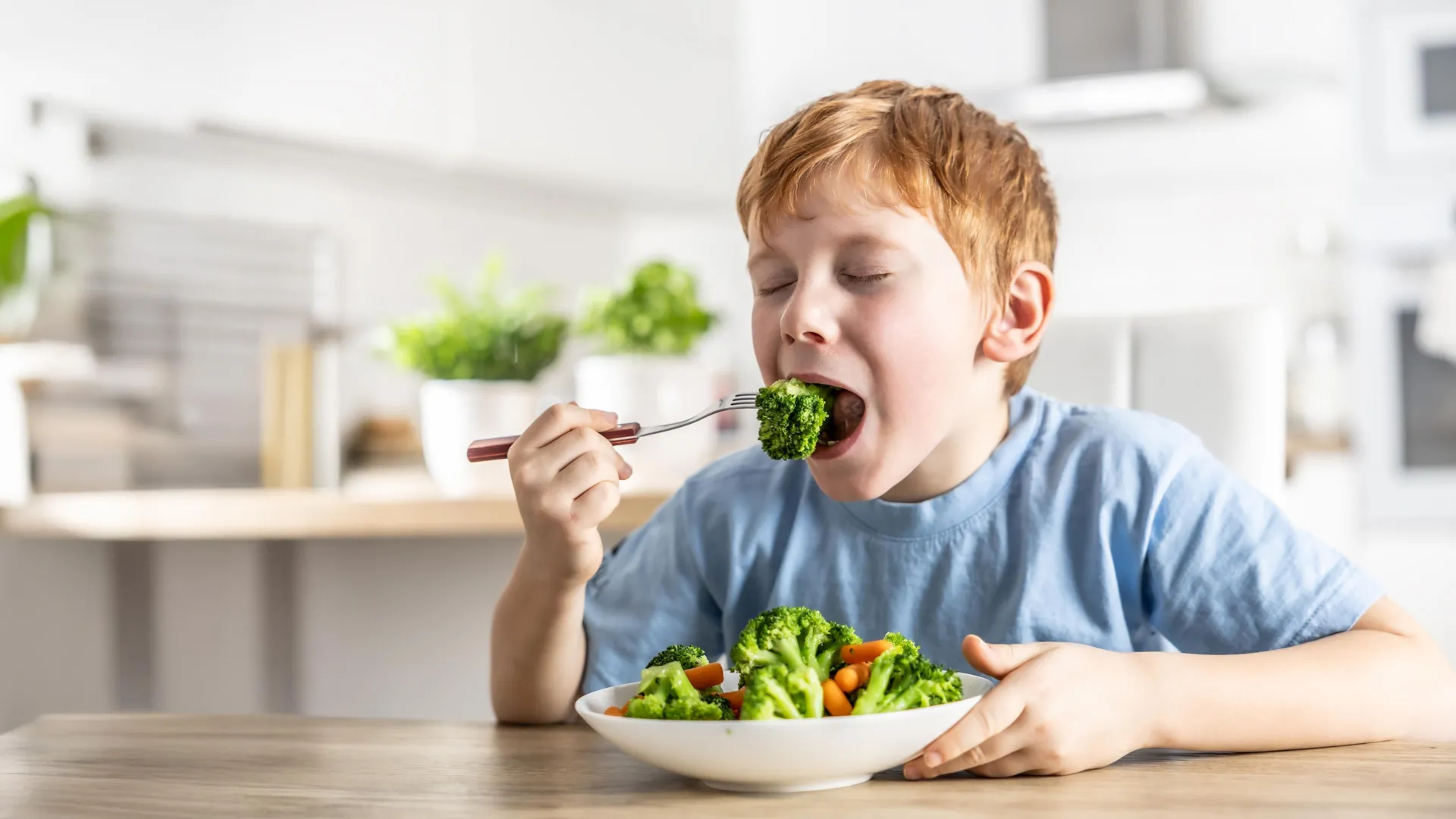
Carefully planned vegetarian and vegan diets can support healthy growth in children when appropriate supplements are included, according to a major new meta-analysis, the most comprehensive review to date of plant-based diets in young people.
Researchers from Italy, USA and Australia examined health, growth, and nutritional outcomes in more than 48,000 children and adolescents around the world who followed different eating patterns. Their findings show that vegetarian and vegan diets can provide many important nutrients and support normal development. At the same time, the analysis highlights a higher risk of nutrient shortfalls when key nutrients are not supplied through fortified foods or supplements.
The peer-reviewed research, published in Critical Reviews in Food Science and Nutrition, also indicates that plant-based diets may offer added health advantages for children. These include improved markers of cardiovascular health when compared with omnivorous diets that include meat, fish, and other animal-derived foods.
Inside the Largest Analysis of Its Kind
This large meta-analysis reviewed data from 59 studies conducted across 18 countries, making it the most extensive evaluation so far of plant-based diets in children under 18 years of age. The researchers compared lacto-ovo-vegetarian (which include dairy products and eggs, but exclude meat, fish and poultry) and vegan diets (which exclude all animal-derived foods) with omnivorous diets across a broad range of nutritional and health measures.
The analysis included 7,280 lacto-ovo-vegetarians, 1,289 vegans, and 40,059 omnivores, allowing researchers to assess differences in nutrient intake, growth, and overall health.
Vegetarian children were found to consume higher amounts of fiber, iron, folate, vitamin C, and magnesium than omnivorous children. However, they also had lower intakes of energy, protein, fat, vitamin B12, and zinc. Although fewer studies focused specifically on vegan children, similar nutritional patterns were observed.
Key Nutrient Gaps to Watch
"Notably, vitamin B12 didn't reach adequate levels without supplementation or fortified foods, and calcium, iodine and zinc intakes were often at the lower end of recommended ranges, making them important nutrients to consider for children on plant-based diets," explains the study co-author Dr. Jeannette Beasley, an Associate Professor in the Departments of Nutrition and Food Studies and Medicine at New York University.
"Vegan children, in particular, had especially low calcium intake."
Health Benefits and Body Composition
Despite concerns around nutrient intake, both vegetarian and vegan children showed more favorable cardiovascular health profiles than omnivores. In particular, they had lower levels of total cholesterol and low-density lipoprotein (LDL) cholesterol, often referred to as the "unhealthy" form of cholesterol.
Measurements of growth and body composition revealed that children following plant-based diets tended to be leaner. Vegetarian children were slightly shorter and lighter on average, with lower body mass index (BMI), fat mass, and bone mineral content. Vegan children also had shorter stature and lower BMI scores compared with omnivores.
"Our analysis of current evidence suggests that well-planned and appropriately supplemented vegetarian and vegan diets can meet nutritional requirements and support healthy growth in children," states lead-author Dr. Monica Dinu, who focuses on exploring how nutrition shapes health and well-being at the Department of Experimental and Clinical Medicine, at the University of Florence, in Italy.
Guidance for Parents Considering Plant Based Diets
Plant based diets remain a viable option for children and can offer both health and environmental benefits. The researchers emphasize that families should not be discouraged from choosing vegetarian or vegan diets for ethical, environmental, or health reasons.
Instead, they advise parents to plan these diets carefully and, when possible, seek guidance from clinicians such as dietitians and paediatric health professionals. Paying attention to a small number of key nutrients can help ensure children's nutritional needs are met during critical periods of growth while minimizing potential risks.
"We hope these findings offer clearer guidance on both the benefits and potential risks of plant-based diets, helping the growing number of parents choosing these diets for health, ethical or environmental reasons," Dr. Dinu adds.
Why More Research Is Still Needed
The authors also highlight the importance of developing clear, evidence-based recommendations to help families plan healthy plant-based diets for children, especially during stages of rapid growth and development when nutritional demands are higher.
At the same time, the researchers caution that the findings have limitations. Many of the studies included were cross-sectional, methods and populations varied widely, and accurately measuring children's dietary intake remains challenging.
"In conclusion," says fellow co-author Dr. Wolfgang Marx, from the Food & Mood Centre, at Deakin University, Australia, "while well-planned vegetarian and vegan diets are nutritionally adequate and beneficial for adults, there is far less clarity about their suitability for children -- leading to inconsistent or even conflicting advice for parents.
"Our findings suggest that a balanced approach is essential, with families paying close attention to certain nutrients -- particularly vitamin B12, calcium, iodine, iron and zinc -- to ensure their children get everything they need to thrive."
Story Source:
Materials provided by Taylor & Francis Group. Note: Content may be edited for style and length.
Journal Reference:
- Sofia Lotti, Giona Panizza, Daniela Martini, Wolfgang Marx, Jeannette M. Beasley, Barbara Colombini, Monica Dinu. Lacto-ovo-vegetarian and vegan diets in children and adolescents: a systematic review and meta-analysis of nutritional and health outcomes. Critical Reviews in Food Science and Nutrition, 2025; 1 DOI: 10.1080/10408398.2025.2572983
Cite This Page: