
A hidden immune backup system could supercharge mRNA cancer vaccines
Scientists discovered a hidden backup system that could make future mRNA cancer vaccines even more powerful.
- Date:
- July 9, 2026
- Source:
- WashU Medicine
- Summary:
- Researchers found that mRNA cancer vaccines can recruit an unexpected immune cell to launch powerful tumor-fighting responses, overturning a long-held assumption about how the vaccines work. The discovery could lead to more effective cancer vaccines and help scientists tailor treatments for better patient outcomes.
- Share:
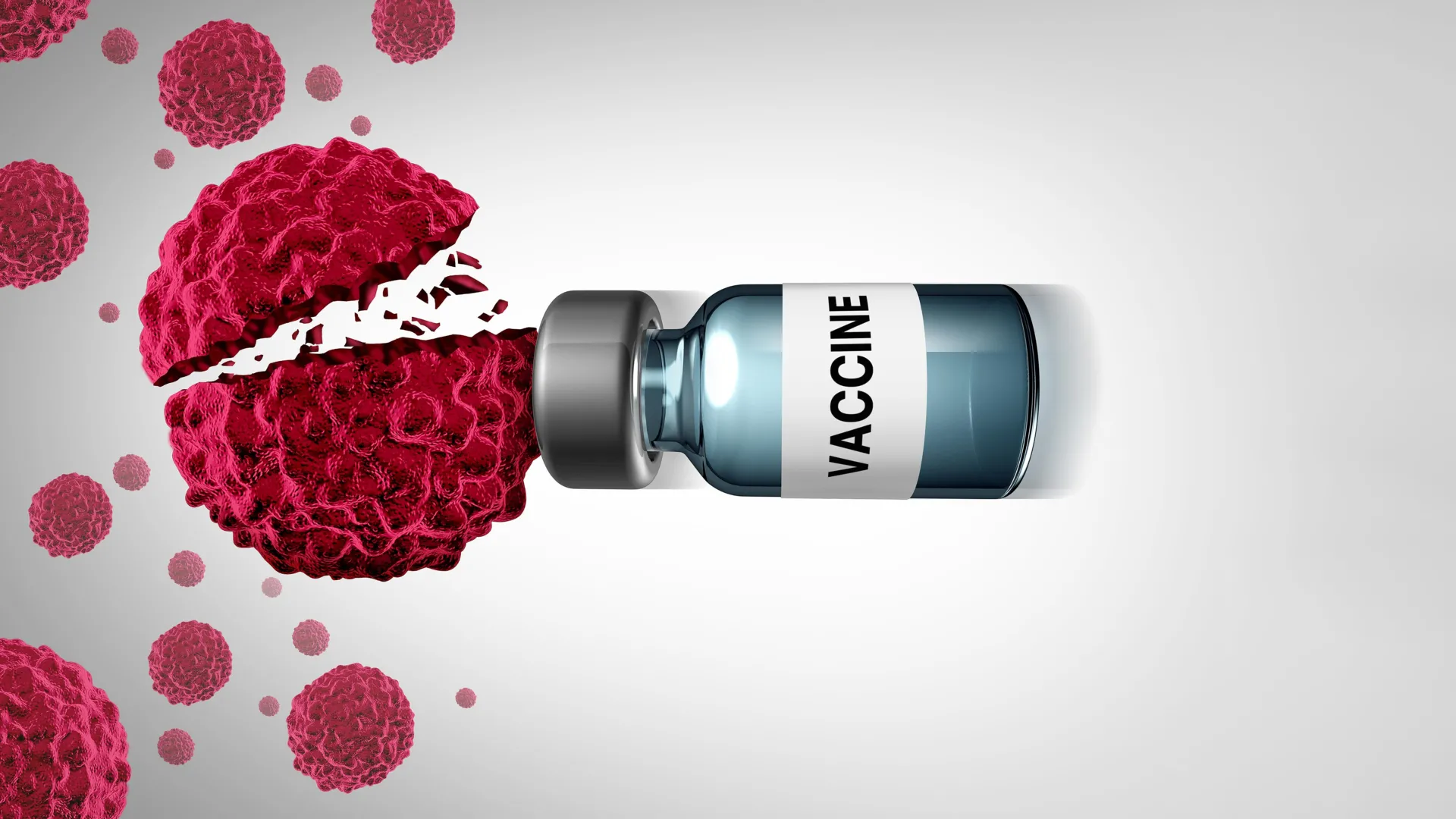
The success of mRNA vaccines against SARS-CoV-2 during the COVID-19 pandemic transformed vaccine science. Now, the same Nobel Prize winning technology is being adapted to fight cancer, with experimental mRNA vaccines already being tested against melanoma, small cell lung cancer, bladder cancer, and several other cancers. Researchers hope these vaccines could eventually provide powerful new ways to prevent and treat the disease.
A new study from Washington University School of Medicine in St. Louis has uncovered an unexpected feature of how these cancer vaccines work. In experiments with mice, scientists found that mRNA cancer vaccines remained highly effective even when an immune cell long believed to be essential was missing. Instead, another closely related immune cell stepped in to trigger a strong attack against tumors.
The findings, published in Nature, offer new insight into how the immune system responds to mRNA vaccines and could help researchers design more effective cancer vaccines in the future.
"There is a lot of interest in applying the mRNA vaccine approaches used during the COVID-19 pandemic to the problem of inducing anti-tumor immunity," said senior author Kenneth M. Murphy, MD, PhD, the Eugene Opie Centennial Professor of Pathology & Immunology at WashU Medicine. "By dissecting which immune cells are involved and how they coordinate the response, we're offering vaccine developers some additional mechanistic insights to consider in their goal of optimizing these vaccines against tumor proteins."
Murphy also is a research member at Siteman Cancer Center, based at Barnes-Jewish Hospital and WashU Medicine.
How mRNA Cancer Vaccines Activate the Immune System
mRNA vaccines deliver genetic instructions, known as messenger RNA, that tell immune cells to produce small pieces of protein. Those protein fragments train the immune system to recognize and attack cells carrying the same proteins. For cancer vaccines, the proteins are chosen because they are unique to tumors, allowing immune cells to identify and destroy cancer cells while leaving healthy tissue largely unaffected.
A group of immune cells called dendritic cells plays a central role in this process by producing the protein fragments from the mRNA instructions. Another type of immune cell, known as T cells, then seeks out and destroys cells carrying those proteins.
For years, researchers believed that one dendritic cell subtype called cDC1 was the primary driver of this response. While cDC1 is well known for preparing T cells to attack virus infected cells, scientists did not fully understand whether the same process occurred after mRNA vaccination against viruses or cancer.
To investigate, Murphy collaborated with co-corresponding author William E. Gillanders, MD, the Mary Culver Professor of Surgery at WashU Medicine. Using mouse models that lacked either cDC1 cells or a related subtype called cDC2, the team explored how each cell population contributes to the immune response after mRNA cancer vaccination.
Gillanders, a physician-scientist and surgical oncologist, also has developed an investigational vaccine against triple-negative breast cancer and treats patients at Siteman Cancer Center.
Unexpected Immune Cell Steps In
The experiments revealed an unexpected result. Mice vaccinated with the mRNA cancer vaccine still generated strong T cell responses even when they lacked cDC1 cells.
Those same mice were also able to eliminate sarcoma tumors, cancers that develop in connective tissues such as fat, muscle, nerves, blood vessels, bone, and cartilage. Because the tumors were successfully cleared despite the absence of cDC1 cells, the researchers concluded that another immune cell type must be helping activate the cancer fighting response.
Their investigation pointed to cDC2 cells.
The study showed that cDC2 cells can also activate T cells and help prevent tumor growth. Interestingly, the T cells activated by cDC1 and cDC2 each displayed slightly different molecular "fingerprints," suggesting they may perform complementary roles. Those differences could provide researchers with new opportunities to improve future cancer vaccines.
The team also found that vaccinated mice lacking cDC2 cells, as well as mice with both dendritic cell subtypes intact, successfully mounted immune responses and rejected tumor growth. Together, these findings indicate that mRNA cancer vaccines rely on both cDC1 and cDC2 cells to generate effective anti-tumor immunity.
A Newly Identified Vaccine Mechanism
Further experiments revealed that cDC2 cells appear to activate T cells through an indirect process. Rather than producing the vaccine proteins themselves, they rely on other cells to read the mRNA instructions, manufacture the protein, break it into smaller fragments, and display those fragments on their surfaces.
Those cells then transfer the membrane complex carrying the protein fragment to cDC2 cells through an already known process called "cross dressing." The cDC2 cells can then present the tumor proteins to T cells, helping launch the immune attack.
"This work uncovers a new way mRNA vaccines engage the immune system -- through both cDC1 and cDC2 -- which helps explain their power and gives researchers concrete targets for making future mRNA cancer vaccines more effective," said Gillanders. "It could improve vaccine formulation and dosing, potentially explain why some patients respond better to vaccines than others and guide strategies for making vaccines more effective."
Story Source:
Materials provided by WashU Medicine. Note: Content may be edited for style and length.
Journal Reference:
- Suin Jo, Lijin Li, Chandrani Thakur, Kevin A. Telfer, Hussein Sultan, Ray A. Ohara, Michelle He, Giri Nam, Jing Chen, Feiya Ou, Monia Draghi, Nicholas M. Valiante, Robert D. Schreiber, Gwendalyn J. Randolph, Naresha Saligrama, Theresa L. Murphy, William E. Gillanders, Kenneth M. Murphy. mRNA vaccines engage unconventional pathways in CD8 T cell priming. Nature, 2026; 654 (8118): 485 DOI: 10.1038/s41586-026-10353-6
Cite This Page: