
For the first time, scientists pinpoint the brain cells behind depression
Scientists have identified the brain cells behind depression, bringing new hope for targeted treatments.
- Date:
- April 23, 2026
- Source:
- McGill University
- Summary:
- Scientists have identified two specific types of brain cells that behave differently in people with depression, offering a clearer picture of what is happening inside the brain. By analyzing donated brain tissue with advanced genetic tools, the researchers found changes in neurons linked to mood and stress, as well as in immune-related microglia cells. These differences point to disruptions in key brain systems and reinforce that depression is rooted in biology, not just emotions.
- Share:
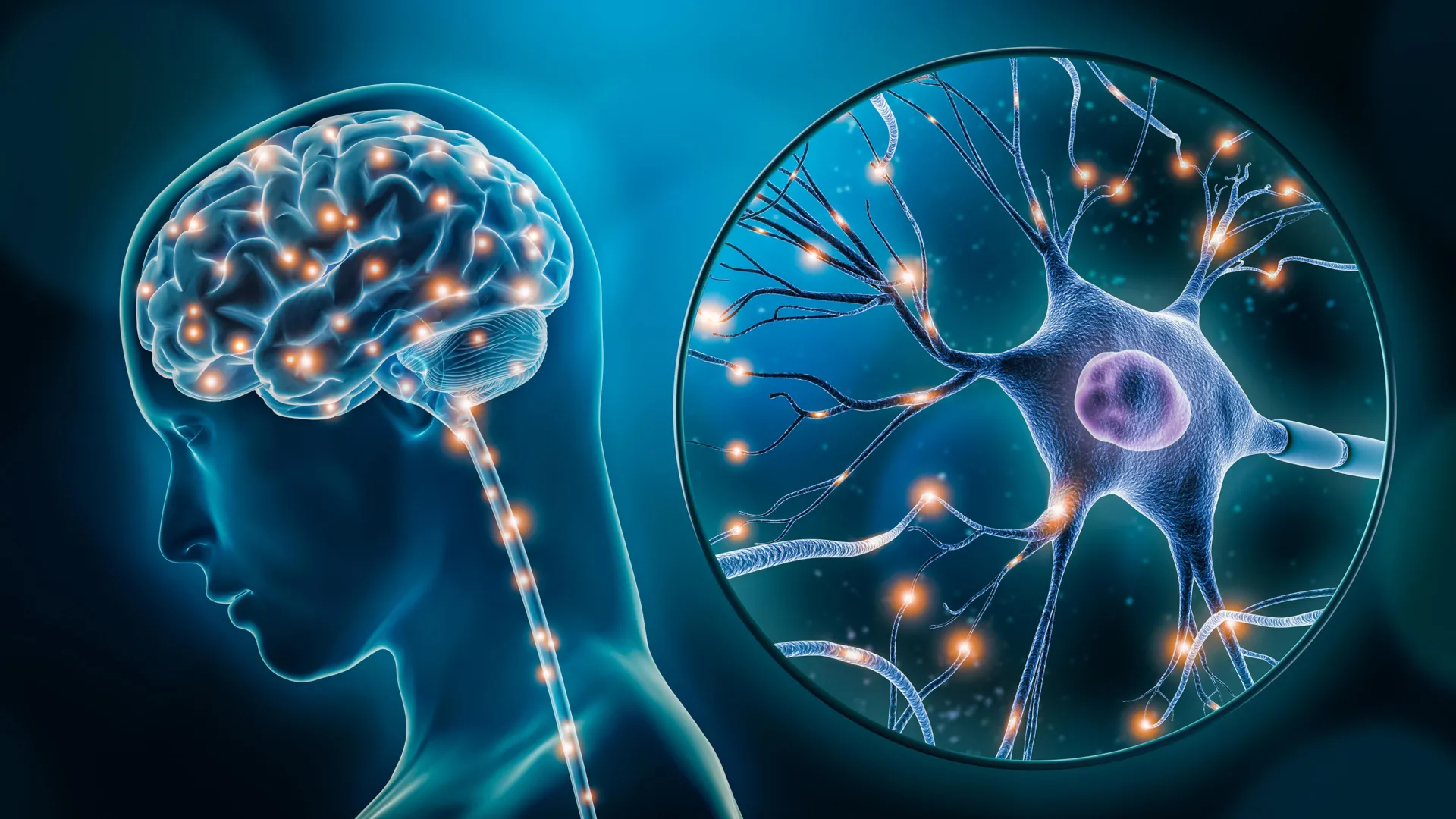
Researchers at McGill University and the Douglas Institute have discovered that two distinct types of brain cells function differently in people with depression.
The findings, published in Nature Genetics, offer important clues that could lead to new treatments designed to target these specific cells. They also provide a clearer understanding of depression, a condition that affects more than 264 million people worldwide and remains a leading cause of disability.
"This is the first time we've been able to identify what specific brain cell types are affected in depression by mapping gene activity together with mechanisms that regulate the DNA code," said senior author Dr. Gustavo Turecki, a professor at McGill, clinician-scientist at the Douglas Institute and Canada Research Chair in Major Depressive Disorder and Suicide. "It gives us a much clearer picture of where disruptions are happening, and which cells are involved."
Rare Brain Tissue Enables Breakthrough
To make this discovery, the research team relied on post-mortem brain samples from the Douglas-Bell Canada Brain Bank. This collection is one of the few in the world that includes donated brain tissue from individuals who had psychiatric conditions, making it an invaluable resource for studying mental health at a biological level.
Using advanced single-cell genomic techniques, the scientists examined RNA and DNA from thousands of individual brain cells. This approach allowed them to pinpoint which cells behaved differently in people with depression and to identify genetic patterns that might explain those differences. The study included samples from 59 individuals diagnosed with depression and 41 without the condition.
Key Brain Cells Show Altered Activity
The analysis revealed changes in gene activity in two important types of brain cells. One was a group of excitatory neurons that play a role in regulating mood and responding to stress. The other was a subtype of microglia, immune cells in the brain that help control inflammation.
In both cell types, many genes showed different levels of activity in people with depression, suggesting that these systems may not be functioning normally. These disruptions could help explain how depression develops at a biological level.
Rethinking Depression as a Brain Disorder
By identifying the specific cells involved, the study strengthens the case that depression has a clear biological foundation. It also challenges outdated views that treat the condition as purely emotional or psychological.
"This research reinforces what neuroscience has been telling us for years," Turecki said. "Depression isn't just emotional, it reflects real, measurable changes in the brain."
What Comes Next for Depression Research
The researchers now plan to investigate how these cellular differences affect overall brain function. They also hope to determine whether therapies that target these cells could lead to more effective treatments in the future.
About the Study
The paper, titled "Single-nucleus chromatin accessibility profiling identifies cell types and functional variants contributing to major depression" by Anjali Chawla and Gustavo Turecki et al., was published in Nature Genetics.
Funding for the research was provided by the Canadian Institutes of Health Research, Brain Canada Foundation, Fonds de recherche du Québec -- Santé and the Healthy Brains, Healthy Lives initiative at McGill University.
Story Source:
Materials provided by McGill University. Note: Content may be edited for style and length.
Journal Reference:
- Anjali Chawla, Doruk Cakmakci, Laura M. Fiori, Wenmin Zang, Malosree Maitra, Jennie Yang, Dariusz Żurawek, Gabriella Frosi, Reza Rahimian, Haruka Mitsuhashi, Maria Antonietta Davoli, Ryan Denniston, Gary Gang Chen, Volodymyr Yerko, Deborah Mash, Kiran Girdhar, Schahram Akbarian, Naguib Mechawar, Matthew Suderman, Yue Li, Corina Nagy, Gustavo Turecki. Single-nucleus chromatin accessibility profiling identifies cell types and functional variants contributing to major depression. Nature Genetics, 2025; 57 (8): 1890 DOI: 10.1038/s41588-025-02249-4
Cite This Page: