
The more you fear aging, the faster your body may age
Fear of aging, especially about health, might quietly speed up the body’s biological clock.
- Date:
- February 26, 2026
- Source:
- New York University
- Summary:
- Worrying about getting older—especially fearing future health problems—may actually speed up aging at the cellular level, according to new research from NYU. In a study of more than 700 women, those who felt more anxious about aging showed signs of faster biological aging in their blood, measured using cutting-edge “epigenetic clocks.” Fears about declining health had the strongest link, while concerns about beauty or fertility didn’t appear to have the same biological impact.
- Share:
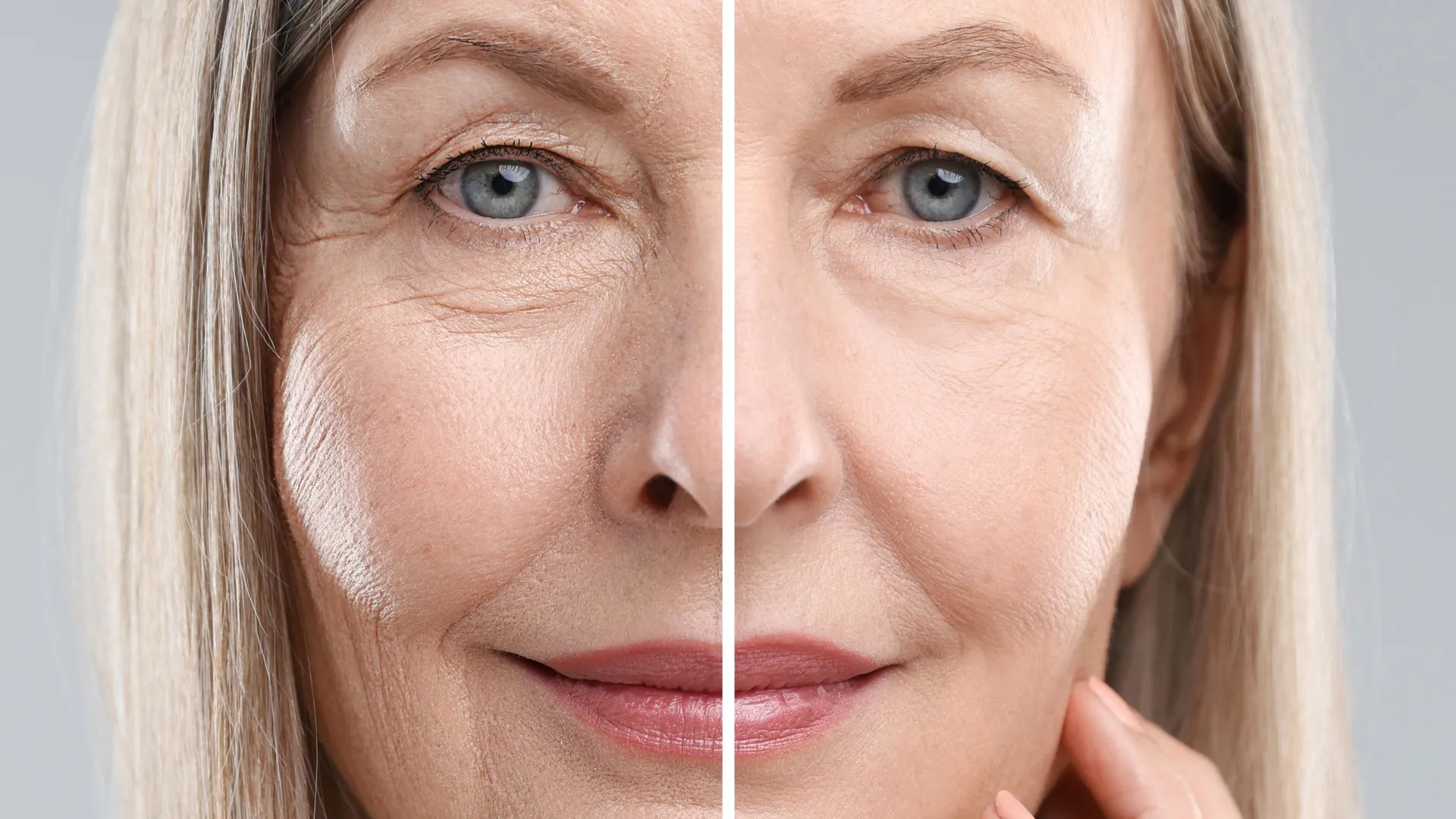
Feeling anxious about getting older, especially worrying about declining health, may do more than weigh on the mind. New research from NYU School of Global Public Health suggests that these fears could be linked to faster aging at the cellular level in women.
"Our research suggests that subjective experiences may be driving objective measures of aging," said Mariana Rodrigues, a PhD student at NYU School of Global Public Health and the first author of the study, published in the journal Psychoneuroendocrinology. "Aging-related anxiety is not merely a psychological concern, but may leave a mark on the body with real health consequences."
Many adults experience concern about aging, including fears of illness, physical decline, and losing independence. Previous research has shown that ongoing psychological distress can influence biological aging through epigenetic changes, which are shifts in how genes are turned on or off.
"We know from previous research that anxiety, depression, and mental health in general are associated with a number of physical health outcomes, but until now researchers haven't focused on whether there is a correlation between worrying about aging and the process of aging itself," said Rodrigues.
Why Women May Experience More Aging Anxiety
Women may be especially vulnerable to anxiety about aging. Social expectations around youth and appearance, along with concerns about fertility, can heighten stress during midlife.
"Women in midlife may also be multiple in roles, including caring for their aging parents. As they see older family members grow older and become sick, they may worry about whether the same thing will happen to them," Rodrigues explained.
Study Details and Epigenetic Clocks
To explore the connection between aging anxiety and biological aging, researchers examined data from 726 women participating in the Midlife in the United States (MIDUS) study. Participants reported how much they worried about becoming less attractive, developing health problems, or being too old to have children.
Blood samples were also analyzed using two established epigenetic clocks. One measured the speed of biological aging (DunedinPACE), while the other estimated accumulated biological damage over time (GrimAge2).
Women who reported higher levels of anxiety about growing older showed signs of faster epigenetic aging based on the DunedinPACE clock. Accelerated epigenetic aging has been linked in prior research to physical decline and greater risk of age related diseases.
Not all concerns had the same impact. Worries about declining health were most strongly tied to faster biological aging. In contrast, concerns about appearance and fertility were not significantly associated with epigenetic aging. Researchers note that health worries may be more persistent over time, while concerns about beauty and reproduction may lessen with age.
Mental Health and Physical Health Are Closely Linked
The findings underscore how closely mental and physical health are connected across the lifespan, even though they are often treated separately.
"Our research identifies aging anxiety as a measurable and modifiable psychological determinant that seems to be shaping aging biology," said Adolfo Cuevas, associate professor of social and behavioral sciences at NYU School of Global Public Health and the study's senior author.
At the same time, the researchers caution that the study captures only a single point in time. It cannot determine cause and effect or rule out the influence of other factors. Some coping behaviors associated with anxiety, such as smoking or alcohol use, may help explain the link. When the team adjusted their analysis to account for these health behaviors, the association between aging anxiety and epigenetic aging weakened and was no longer statistically significant.
Further research will be needed to understand how anxiety about aging affects long term biological aging and how best to support people experiencing these fears.
"Aging is a universal experience," said Rodrigues. "We need to start a discourse about how we as a society -- through our norms, structural factors, and interpersonal relationships -- address the challenges of aging."
Jemar R. Bather of NYU School of Global Public Health was a study coauthor. The research was supported by the National Institute of Diabetes and Digestive and Kidney Diseases (R01DK137246, R01DK137805).
Story Source:
Materials provided by New York University. Note: Content may be edited for style and length.
Journal Reference:
- Mariana Rodrigues, Jemar R. Bather, Adolfo G. Cuevas. Aging anxiety and epigenetic aging in a national sample of adult women in the United States. Psychoneuroendocrinology, 2026; 184: 107704 DOI: 10.1016/j.psyneuen.2025.107704
Cite This Page: