
Even remote Pacific fish are full of microplastics
Even the Pacific’s most remote fish are now carrying traces of plastic pollution.
- Date:
- February 3, 2026
- Source:
- PLOS
- Summary:
- Even in some of the most isolated corners of the Pacific, plastic pollution has quietly worked its way into the food web. A large analysis of fish caught around Fiji, Tonga, Tuvalu, and Vanuatu found that roughly one in three contained microplastics, with Fiji standing out for especially high contamination. Reef and bottom-dwelling fish were most affected, linking exposure to where fish live and how they feed.
- Share:
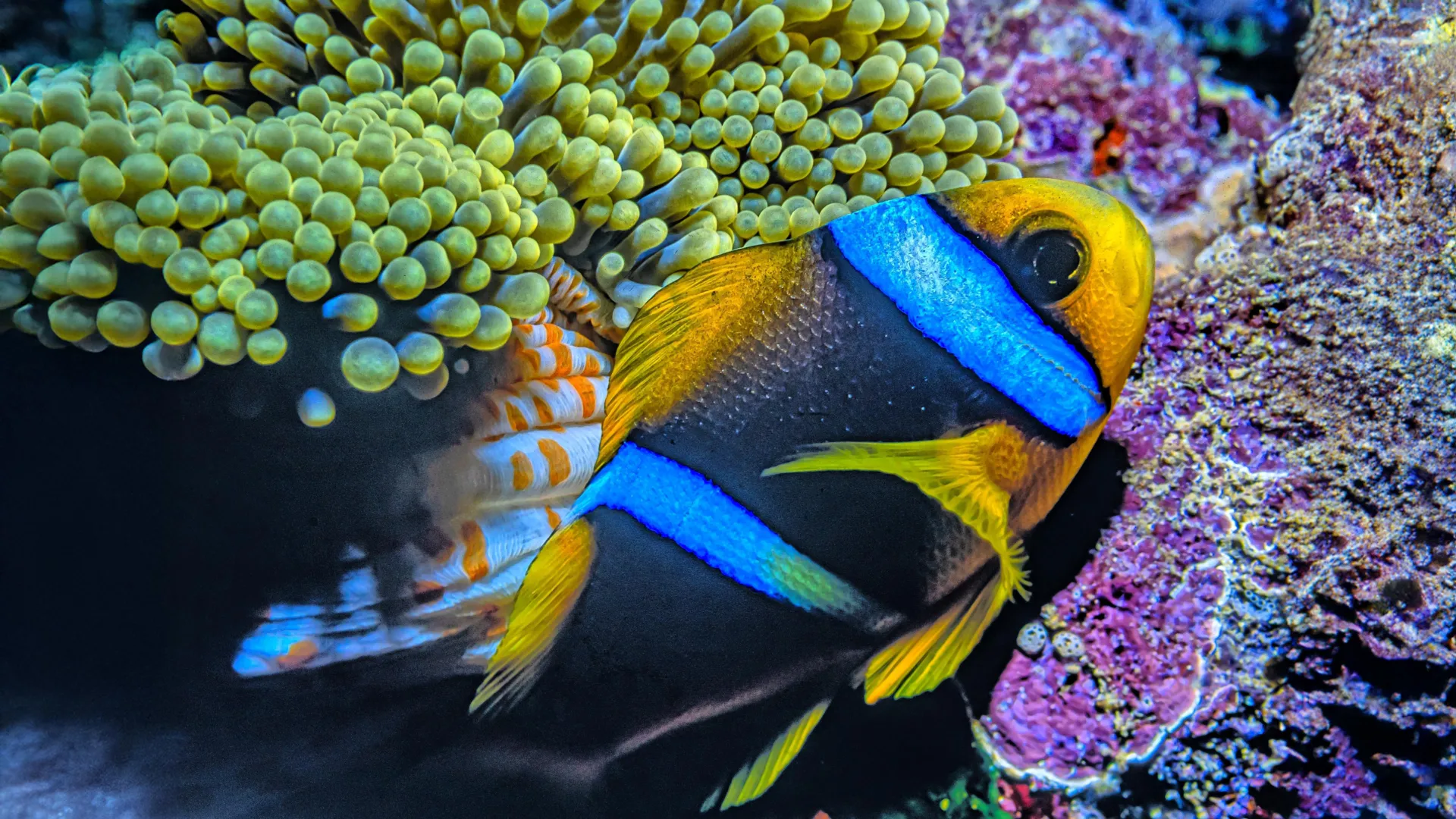
A new scientific analysis finds that plastic pollution has reached even the most isolated Pacific coastal waters. According to research published January 28, 2026 in the open-access journal PLOS One, about one-third of fish living near Pacific Island Countries and Territories contain microplastics. The study was led by Jasha Dehm of the University of the South Pacific and shows especially high contamination levels in Fiji.
Microplastics are a growing global concern, with documented effects on marine ecosystems and potential risks to human health. Although Pacific Island Countries and Territories (PICTs) are geographically remote, researchers say they may face elevated exposure due to rapid urban growth combined with limited waste and water management systems. Many coastal communities in the region depend heavily on fish for food, income, and cultural practices, which raises concerns about the long-term effects of consuming contaminated seafood. Until now, however, there has been relatively little research on microplastics in fish commonly eaten across the PICTs.
Survey of Fish Across Fiji, Tonga, Tuvalu, and Vanuatu
To close that research gap, scientists examined data on 878 coastal fish representing 138 species caught by fishing communities around Fiji, Tonga, Tuvalu, and Vanuatu. The analysis relied on published records from the Global Information Biodiversity Facility. Overall, roughly one in three fish contained at least one microplastic particle, but the results varied widely between islands.
Fiji showed the highest contamination, with nearly 75% of sampled fish containing microplastics. This level is well above the global average of 49%. While microplastics were frequently detected in Fiji's fish, the actual amount of plastic found in each individual fish was very low. In contrast, only about 5% of fish sampled in Vanuatu showed evidence of microplastic contamination.
Although fish communities differ across islands, two species appeared in catches from all four countries -- the thumbprint emperor (Lethrinus harak) and the dash-and-dot goatfish (Parupeneus barberinus) -- and both species had higher contamination levels in Fiji than elsewhere.
Feeding Habits Linked to Plastic Exposure
The research team also explored why certain fish were more likely to ingest microplastics. Using information from a global database of fish species, they analyzed how ecological traits such as diet, feeding behavior, and habitat influenced contamination rates.
Fish associated with reefs and those that live near the seafloor were more likely to contain microplastics than fish found in lagoons, coastal waters, or the open ocean. Species that feed on invertebrates, forage along the bottom, or rely on ambush strategies to catch prey also showed higher rates of contamination compared with other fish.
What the Findings Mean for Pacific Communities
The results underline how widespread microplastic pollution has become, reaching even some of the most remote marine environments on Earth. The researchers suggest that Fiji's higher contamination levels may be linked to greater population density, extensive coastal development, and less effective waste management systems compared with neighboring islands. The authors note that understanding which ecological traits increase exposure could help policymakers identify the ecosystems and communities most at risk.
Jasha Dehm adds: "The consistent pattern of high contamination in reef-associated species across borders confirms ecological traits as key exposure predictors, while national disparities highlight the failure of current waste management systems, or lack thereof to protect even remote island ecosystems."
Dr. Amanda Ford adds: "While microplastic levels in Pacific fish are generally lower than in many industrialized regions, Pacific communities rely far more heavily on fish as a primary protein source. Combined with major data gaps across the region, this makes locally generated evidence essential as Global Plastics Treaty negotiations advance and are translated into national policies."
A Warning About Food Security and Plastic Policy
Dr. Rufino Varea adds: "Beyond the ecological insights, this study delivers a stark warning about the vulnerability of our food systems: we found that the reef-associated and bottom-feeding fish most accessible to our subsistence fishers are acting as reservoirs for synthetic pollution, particularly in Fiji, where nearly three-quarters of sampled individuals contained microplastics. The dominance of fibers in these samples challenges the assumption that marine litter is solely a visible, coastal management issue; it indicates a pervasive infiltration of textile and gear-derived contaminants into the very diet of our communities.
This data shatters the illusion that our remoteness offers protection and provides the evidentiary basis we need to reject downstream solutions -- such as recycling schemes -- as insufficient. Instead, it compels us to demand a Global Plastics Treaty that enforces strict caps on primary plastic production and toxic additives, as this is the only viable way to safeguard the health and food security of Pacific peoples."
Funding: The study was made possible through funding from the Asia Pacific Network for Global Change Research (Grant CRRP2022-05MY-Ford) under the project "Establishing Baselines for Marine Plastics and Bridging Indigenous Knowledge with Ocean Policy to Improve Livelihood Security in the Pacific" awarded to AKF. The funders sponsored the project only, and were not involved with study design, data collection and analysis, decision to publish and preparation of the manuscript.
Story Source:
Materials provided by PLOS. Note: Content may be edited for style and length.
Journal Reference:
- Jasha Dehm, Kelly Thomas Brown, Eseta Drova, Rufino Varea, Joycinette Vosumbe Botleng, Siutiti Fe’ao, Lavata Nivaga, Laura Williams, Brian L. Stockwell, Salanieta Kitolelei, Cherie Morris, Nanise Kuridrani, June Brian Molitaviti, Vailala Matoto, Lotokufaki Paka Kaitua, Semese Alefaio, Hudson Feremaito, Krishna Kumar Kotra, Amanda Kirsty Ford. Considering ecological traits of fishes to understand microplastic ingestion across Pacific coastal fisheries. PLOS One, 2026; 21 (1): e0339852 DOI: 10.1371/journal.pone.0339852
Cite This Page: