
Breakthrough sepsis drug shows promise in human trial
A breakthrough sepsis drug has passed a major human trial, raising hopes for the first effective treatment for a condition that kills millions each year.
- Date:
- January 30, 2026
- Source:
- Griffith University
- Summary:
- A new drug developed by Australian researchers has shown promising results in reducing sepsis in a Phase II clinical trial involving 180 patients. The carbohydrate-based treatment works by calming a dangerous immune reaction that can cause organ failure. With no specific anti-sepsis therapy currently available, the findings mark a major step forward. Researchers now aim to move into Phase III trials.
- Share:
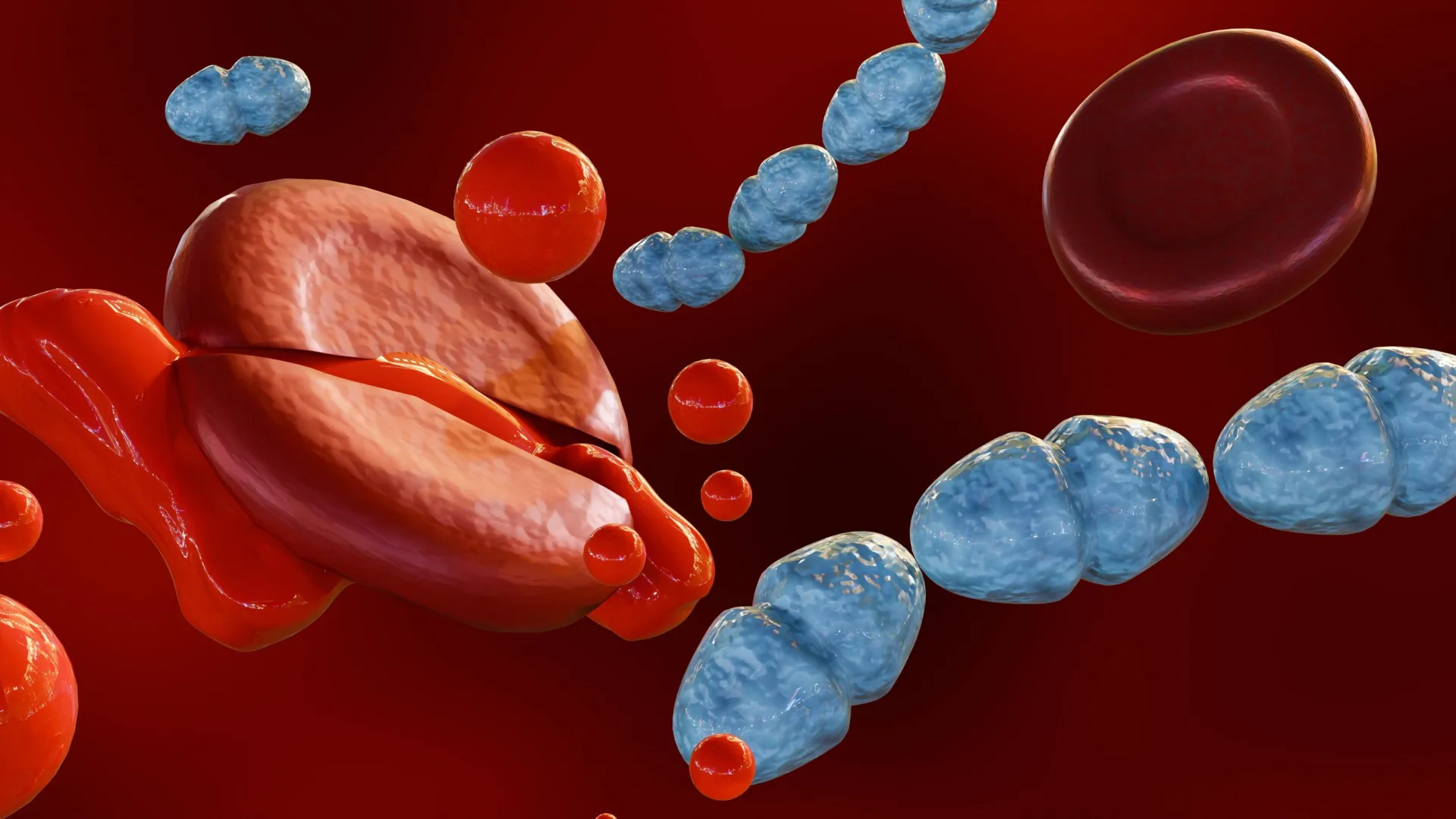
Researchers at Griffith University report encouraging progress toward treating sepsis after a Phase II clinical trial in China produced positive results. The study suggests a new drug candidate may reduce the severity of sepsis, a condition that affects millions of hospitalized patients worldwide each year.
The experimental treatment, known as STC3141, is a carbohydrate-based drug developed through a collaboration between Distinguished Professor Mark von Itzstein AO and his team at Griffith's Institute for Biomedicine and Glycomics and Professor Christopher Parish and his team at The Australian National University.
"The trial met the key endpoints to indicate the drug candidate was successful in reducing sepsis in humans," Professor von Itzstein said.
How the Drug Works in the Body
During the trial, STC3141 was delivered through an infusion using a cannula. The drug was designed to counteract a major biological molecule release that occurs during sepsis, a process that can drive widespread inflammation and organ damage.
As a small-molecule experimental therapy, STC3141 may help treat sepsis by reversing damage to organs rather than only managing symptoms.
Why Sepsis Remains a Major Medical Challenge
Sepsis develops when the body's immune system overreacts to an infection and begins damaging its own tissues and organs. The condition is one of the leading causes of death and long-term disability worldwide.
"When sepsis is not recognized early and managed promptly, it can lead to septic shock, multiple organ failure and death," Distinguished Professor von Itzstein said.
Trial Details and the Path Forward
The Phase II trial was conducted by Grand Pharmaceutical Group Limited (Grand Pharma) and included 180 patients diagnosed with sepsis. Despite its global impact, there is currently no specific anti-sepsis therapy available, making the condition a major unmet medical need.
Professor von Itzstein said Grand Pharma now plans to move the treatment into a Phase III trial to further evaluate its effectiveness.
"It's hoped we could see the treatment reach the market in a handful years, potentially saving millions of lives," he said.
Broader Impact of the Research
Professor Paul Clarke, Executive Director of the Institute for Biomedicine and Glycomics, welcomed the results of the trial.
"I am thrilled to see the results of the trial which ultimately aims to save lives," Professor Clarke said.
"The Institute and its researchers collectively work on translational research to deliver real and immediate impacts both in Australia, and globally to transform lives."
Story Source:
Materials provided by Griffith University. Note: Content may be edited for style and length.
Cite This Page: