
Ancient giant kangaroos could hop after all
- Date:
- January 23, 2026
- Source:
- Scientific Reports
- Summary:
- Giant kangaroos that lived during the Ice Age may not have been as slow and grounded as once believed. A new study finds their leg bones and tendons were likely strong enough to support hopping, despite their massive size. Rather than traveling this way all the time, these animals may have relied on short bursts of hopping. This ability could have played a key role in escaping predators.
- Share:
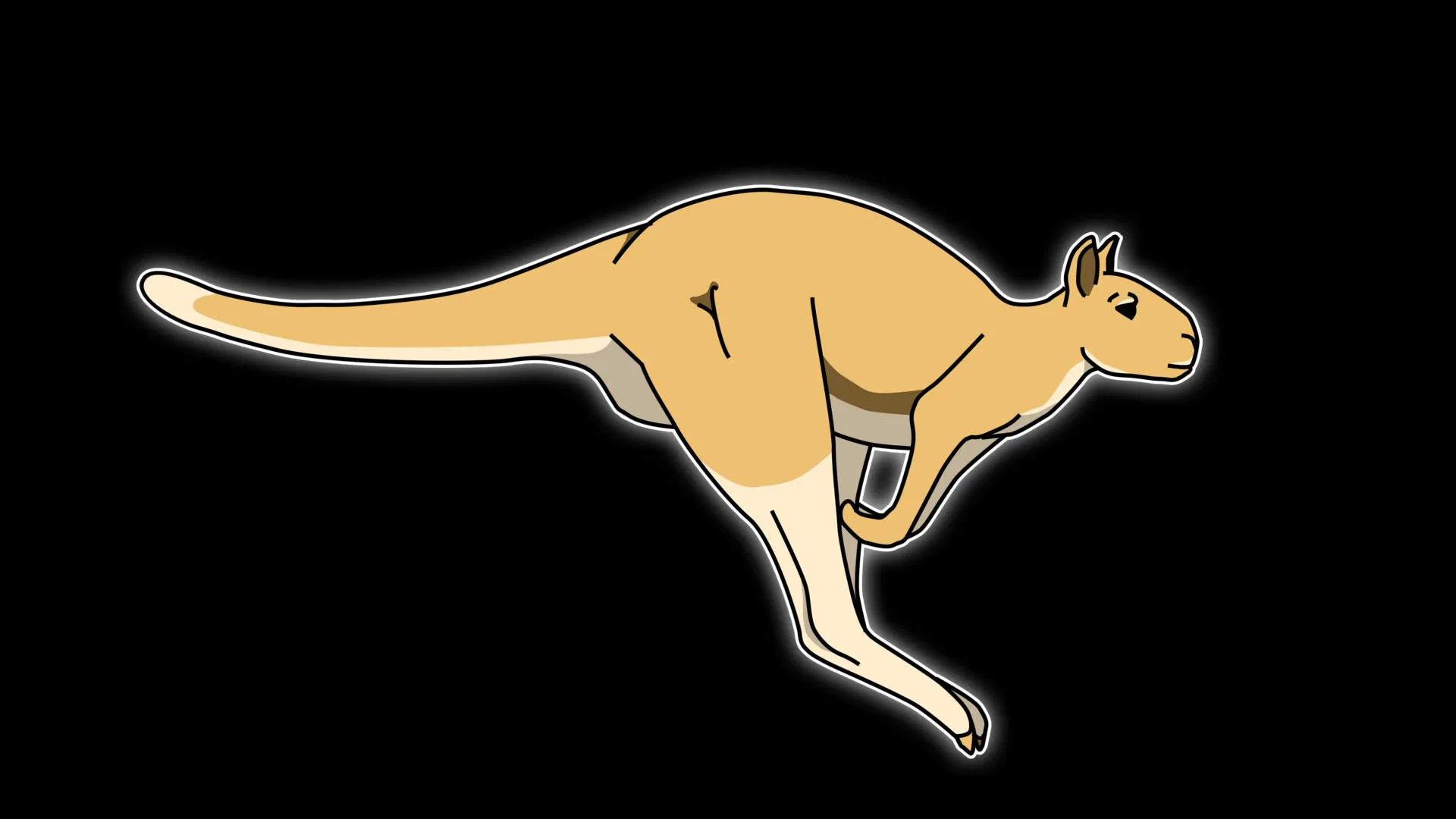
New research suggests that the giant ancestors of modern kangaroos may not have been as limited in their movement as once believed. Some of these prehistoric species are thought to have weighed up to 250 kilograms, yet a study published in Scientific Reports indicates they may have been capable of hopping in short bursts. This challenges earlier research that argued kangaroos weighing more than 160 kilograms were simply too heavy for their ankles to handle the stress of hopping.
To explore how these massive animals moved, Megan Jones and her colleagues examined the hindlimbs of 94 modern specimens and 40 fossil specimens representing 63 species of kangaroos and wallabies. Their sample included members of the extinct giant kangaroo group Protemnodon, which lived during the Pleistocene (between 2.6 million and 11,700 years ago).
For each species, the team used existing estimates of body weight along with measurements of the fourth metatarsal. This elongated foot bone plays a key role in hopping among modern kangaroos. By analyzing its length and diameter, the researchers assessed whether the bones could withstand the forces produced during hopping.
Testing Tendons and Heel Bones
The researchers also compared the heel bones of giant kangaroos with those of living kangaroo species. Using these comparisons, they estimated how large the Achilles tendon would need to be to absorb the forces generated during hopping by such heavy animals. They then evaluated whether the heel bones of giant kangaroos were large enough to support tendons of that size.
Their results suggest that the metatarsals of all known giant kangaroo species were strong enough to tolerate the physical stresses associated with hopping. The heel bones also appear to have been sufficiently large to accommodate the tendon width required for this form of movement.
Short Bursts Instead of Long Distance Travel
Taken together, the findings indicate that the hindlimbs of giant kangaroos were mechanically capable of supporting hopping. However, the researchers emphasize that hopping was unlikely to be their primary way of getting around. Due to their large body size, repeated long distance hopping would have been inefficient.
The authors note that occasional hopping is already observed in many smaller animals today, including hopping rodents and small marsupials. They suggest that brief, rapid bursts of hopping may have helped some giant kangaroo species avoid predators, including members of an extinct group of marsupial lions known as Thylacoleo.
Story Source:
Materials provided by Scientific Reports. Note: Content may be edited for style and length.
Journal Reference:
- Megan E. Jones, Katrina Jones, Robert L. Nudds. Biomechanical limits of hopping in the hindlimbs of giant extinct kangaroos. Scientific Reports, 2026; 16 (1) DOI: 10.1038/s41598-025-29939-7
Cite This Page: