
This 15 minute hepatitis C test could change everything
A new 15-minute hepatitis C PCR test promises faster diagnosis, quicker treatment, and a major boost toward eliminating the disease.
- Date:
- December 11, 2025
- Source:
- Northwestern University
- Summary:
- Northwestern scientists have created the fastest-ever hepatitis C diagnostic, delivering accurate results in only 15 minutes. The test uses the DASH rapid PCR system, originally developed for COVID, but adapted for whole blood samples. Independent testing showed 100% agreement with existing commercial platforms. Its speed could transform how quickly patients begin treatment.
- Share:
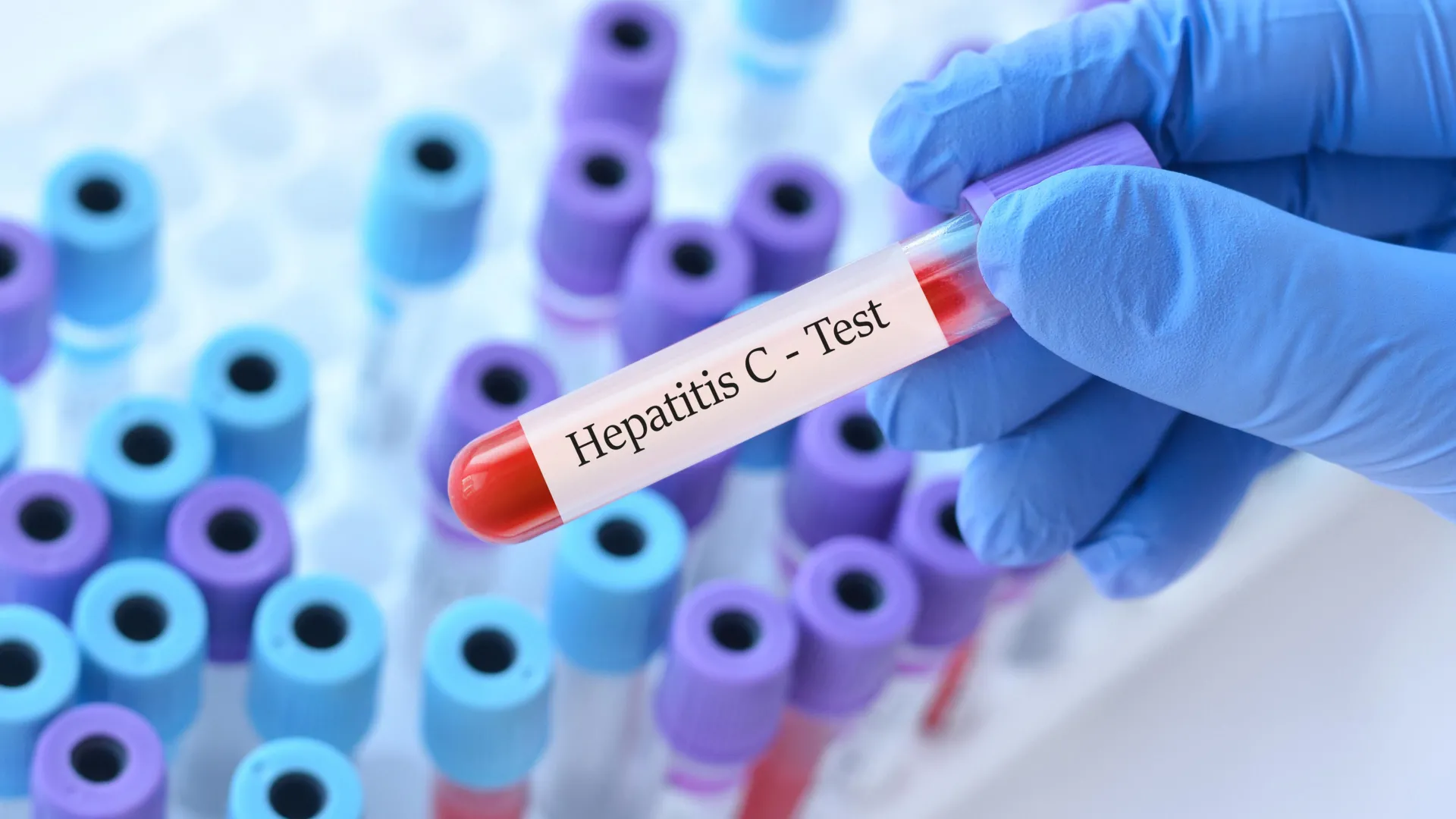
A new rapid test from Northwestern University can diagnose hepatitis C in just 15 minutes -- far faster than current options.
- Chronic hepatitis C infection affects an estimated 50 million people around the world and leads to approximately 242,000 deaths each year, most often from cirrhosis and liver cancer.
- Same-day test results can speed up the start of treatment, and the infection is fully curable with the right medication.
- Scientists at Johns Hopkins independently verified that the new test showed 100 percent agreement with commercial diagnostic platforms.
A New 15 Minute Test Speeds Up Hepatitis C Detection
Scientists at Northwestern University have created the fastest method so far for identifying hepatitis C virus (HCV). The new diagnostic delivers accurate results in only 15 minutes -- up to 75 percent faster than other rapid HCV options. This shorter wait time is important because it allows many patients to begin treatment before leaving their appointment, reducing the chance of severe complications and deaths linked to delayed care.
The research describing the test is scheduled for publication on Dec. 10 in The Journal of Infectious Diseases.
Why Faster Diagnosis Matters for Global Hepatitis C Control
HCV can progress to chronic hepatitis C infection, a condition that affects about 50 million people worldwide and leads to roughly 242,000 deaths each year. Most of these deaths result from cirrhosis and liver cancer. Although highly effective medications can cure the infection in 8 to 12 weeks, treatment rates remain low. One major barrier is limited access to affordable, easy to use diagnostic tools that can be deployed at the point of care.
"We were able to develop a diagnostic test that can be performed at the point of care during a patient's clinical visit, which could enable same-day diagnosis and treatment in support of HCV elimination efforts," said Sally McFall, co-director of the Center for Innovation in Global Health Technologies (CIGHT) at Northwestern University McCormick School of Engineering, who developed the test.
According to McFall, the new tool has shown strong analytical and clinical results. She noted that it may help support the World Health Organization's goal of eliminating HCV by 2030.
How the Rapid PCR Test Was Developed
The project brought together faculty in engineering and infectious disease at Northwestern. To build the new rapid polymerase chain reaction (PCR) test, the team relied on the DASH® (Diagnostic Analyzer for Specific Hybridization)PCR platform. Originally designed at Northwestern to detect COVID from nasal swabs, the system proved flexible enough to process whole blood samples for HCV detection.
To validate the technology, the researchers sent DASH® analyzers and DASH® HCV cartridges to colleagues at Johns Hopkins University. The Johns Hopkins team tested 97 clinical specimens and reported a 100 percent match between the DASH results and commercial diagnostic platforms.
"This test could revolutionize HCV care in the U.S. and globally by dramatically improving diagnosis, accelerating treatment uptake and enabling more people to be cured faster," said study co-author Dr. Claudia Hawkins, director of the Robert J. Havey, MD Institute for Global Health's Center for Global Communicable and Emerging Infectious Diseases at Northwestern. "By reducing delays and simplifying testing pathways, it has the potential to save millions of lives from the devastating liver-related complications of untreated HCV."
Why the New Test Outperforms Current Options
Diagnosing hepatitis C typically requires two steps. An antibody test first determines whether a patient has ever been exposed to the virus. If that test is positive, a follow-up PCR test checks for viral RNA to confirm an active infection. In most clinical settings, the PCR sample must be sent to an outside laboratory, leading to delays that can stretch from several days to weeks. Patients then need to return to their provider for results. Although the Food and Drug Administration has cleared one other point-of-care HCV test, it still requires 40 to 60 minutes -- a time frame that often exceeds the length of a standard appointment, McFall said.
The study is titled, "Development of a Rapid Automated Point-of-Care Test for Hepatitis C Viral RNA on the DASH(r) Rapid PCR System."
Story Source:
Materials provided by Northwestern University. Note: Content may be edited for style and length.
Journal Reference:
- Jennifer L Reed, Matthew A Butzler, Claudia A Hawkins, Yukari C Manabe, Jeffrey Holden, David L Thomas, Andrea L Cox, Sally M McFall. Development of a Rapid Automated Point-of-Care Test for Hepatitis C Viral RNA on the DASH® Rapid PCR System. The Journal of Infectious Diseases, 2025; DOI: 10.1093/infdis/jiaf608
Cite This Page: