
Scientists discover why some people still can’t taste food after COVID-19
- Date:
- October 19, 2026
- Source:
- University of Colorado Anschutz
- Summary:
- Scientists have uncovered a possible explanation for why some people struggle to taste food more than a year after recovering from COVID-19. By examining taste buds from patients with lingering symptoms, researchers discovered molecular abnormalities that weaken the signals responsible for detecting sweet, bitter, and savory flavors.
- Share:
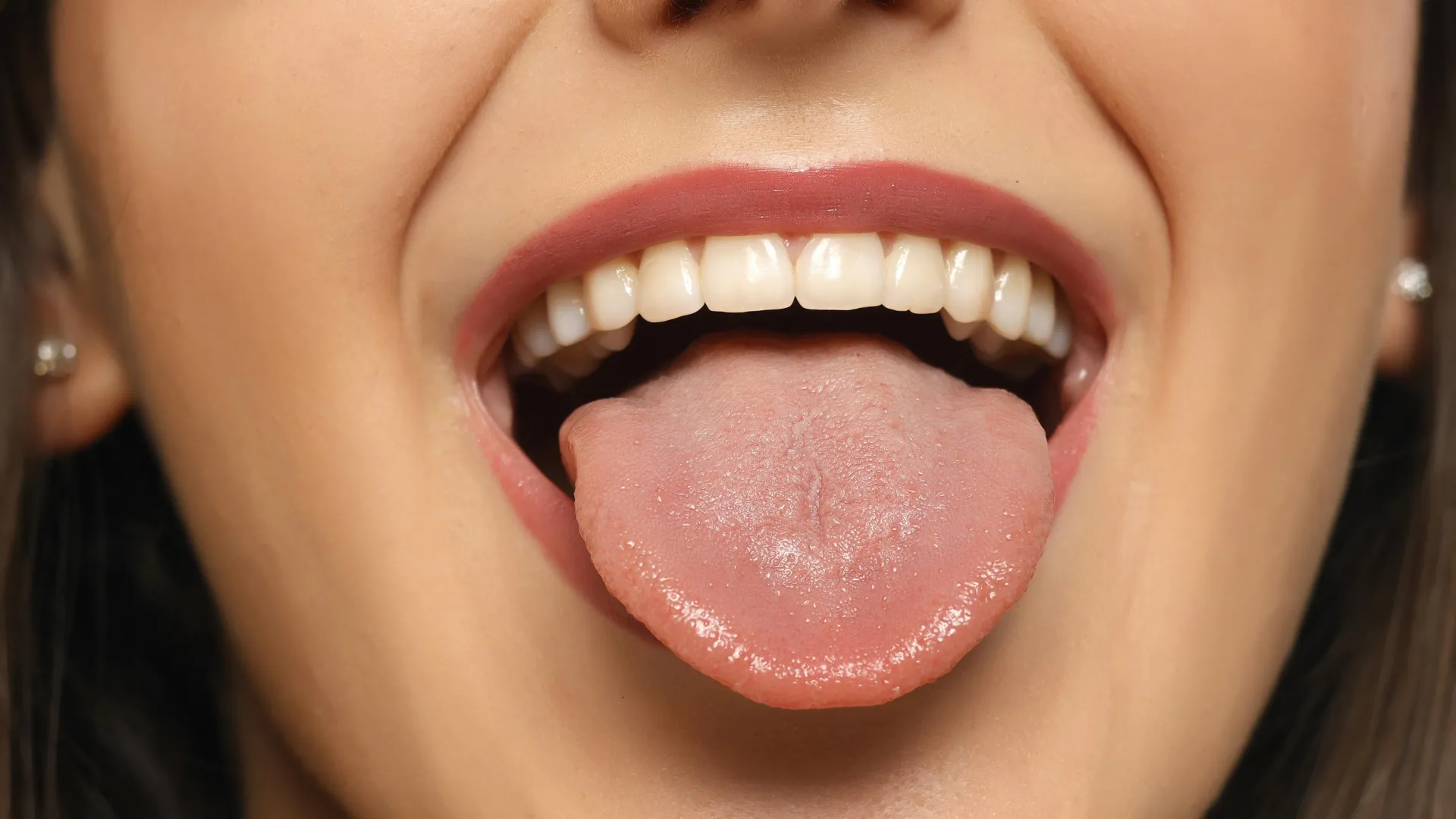
Scientists have uncovered changes inside taste buds that may help explain why some people struggle to taste food more than a year after recovering from COVID-19. The findings point to disruptions in the molecular signals responsible for detecting certain flavors, along with physical abnormalities in the structure of taste buds.
The study, published in Chemical Senses, offers the first direct biological evidence connecting persistent taste problems reported by patients to measurable changes within their taste cells.
Why Does Taste Loss Linger After COVID-19?
To investigate the lasting effects of COVID-19 on taste, scientists from the University of Colorado Anschutz and two Swedish universities examined 28 people who had experienced taste disturbances for more than a year following infection. None of the participants had been hospitalized for COVID-19.
Testing revealed that eight of the 28 participants had clearly abnormal taste scores. Eleven reported difficulty detecting specific flavors, particularly sweet, bitter, and umami, the savory taste associated with foods such as mushrooms and broth. In contrast, their ability to detect salty and sour flavors remained largely unaffected.
Seeking an explanation for this unusual pattern, the researchers collected small tissue samples from the taste buds of 20 participants and examined them for biological abnormalities.
Scientists Identify a Molecular Defect in Taste Cells
The research team, organized by Göran Hellekant, PhD, of the University of Wisconsin and the Swedish University of Agricultural Sciences, identified reduced amounts of messenger RNA (mRNA) involved in producing a protein known as PLCβ2.
This protein plays an essential role in how taste receptor cells communicate with the brain. Specifically, it amplifies the signals generated when the tongue detects sweet, bitter, and umami flavors. Without sufficient levels of the protein, those signals may become too weak to register normally.
"PLCβ2 acts like a molecular amplifier inside taste cells," said Thomas Finger, PhD, professor of cell and developmental biology at the University of Colorado Anschutz and corresponding author of the study. "It strengthens the signal before it's transmitted to the brain. When levels are reduced, the taste signal weakens."
The discovery may also explain why some flavors are affected more than others. Cells responsible for detecting salty and sour tastes use different signaling mechanisms that do not depend on PLCβ2, potentially allowing those sensations to remain intact even when other taste signals are disrupted.
Hidden Structural Changes Inside Taste Buds
The researchers also discovered that the abnormalities were not limited to molecular signaling. When they examined taste bud tissue under a microscope, they found that some participants had changes in the physical arrangement of their taste cells.
"Some subjects had normal-looking taste buds, while others showed structural disorganization," Finger said. "This suggests that both molecular and architectural changes may contribute to persistent taste dysfunction."
Together, these findings suggest that lingering taste problems after COVID-19 may involve multiple biological disruptions, affecting both the way taste cells are organized and how effectively they transmit information.
Why Can COVID-19 Taste Loss Last More Than a Year?
One of the most intriguing aspects of persistent taste loss is how long it can continue despite the body's natural ability to replace taste cells.
Under normal circumstances, cells in the taste buds are renewed approximately every two to four weeks. Yet the researchers found signs that the molecular processes needed for normal taste signaling may remain disrupted for much longer in some people.
Most individuals who experience taste changes during COVID-19 regain their normal sense of taste within weeks or months. However, a small group continues to experience symptoms long after the infection has resolved. The new findings provide measurable biological evidence that could help explain why recovery takes so much longer for these patients.
"Our findings offer measurable evidence of long-term taste disruption in some post-COVID patients long after the virus has been cleared," the authors write.
Although the discovery sheds light on a previously unexplained symptom, important questions remain. Scientists still need to determine whether these molecular abnormalities can eventually return to normal and whether treatments designed to restore healthy taste signaling could help people recover their sense of taste.
Story Source:
Materials provided by University of Colorado Anschutz. Note: Content may be edited for style and length.
Journal Reference:
- Hanna Morad, Tytti Vanhala, Marta A Kisiel, Agnes Andreason, Mei Li, Göran Andersson, Göran Laurell, Thomas E Finger, Göran Hellekant. Taste dysfunction in long COVID. Chemical Senses, 2026; 51 DOI: 10.1093/chemse/bjaf068
Cite This Page: