
Multilingual people may have brains up to 13 years younger
- Date:
- August 22, 2026
- Source:
- Federation of European Neuroscience Societies
- Summary:
- People who speak several languages may have brains that age more slowly, with four-language speakers showing brains that appeared about 13 years younger than those of monolinguals. Starting earlier and becoming highly fluent were also linked to a stronger effect.
- Share:
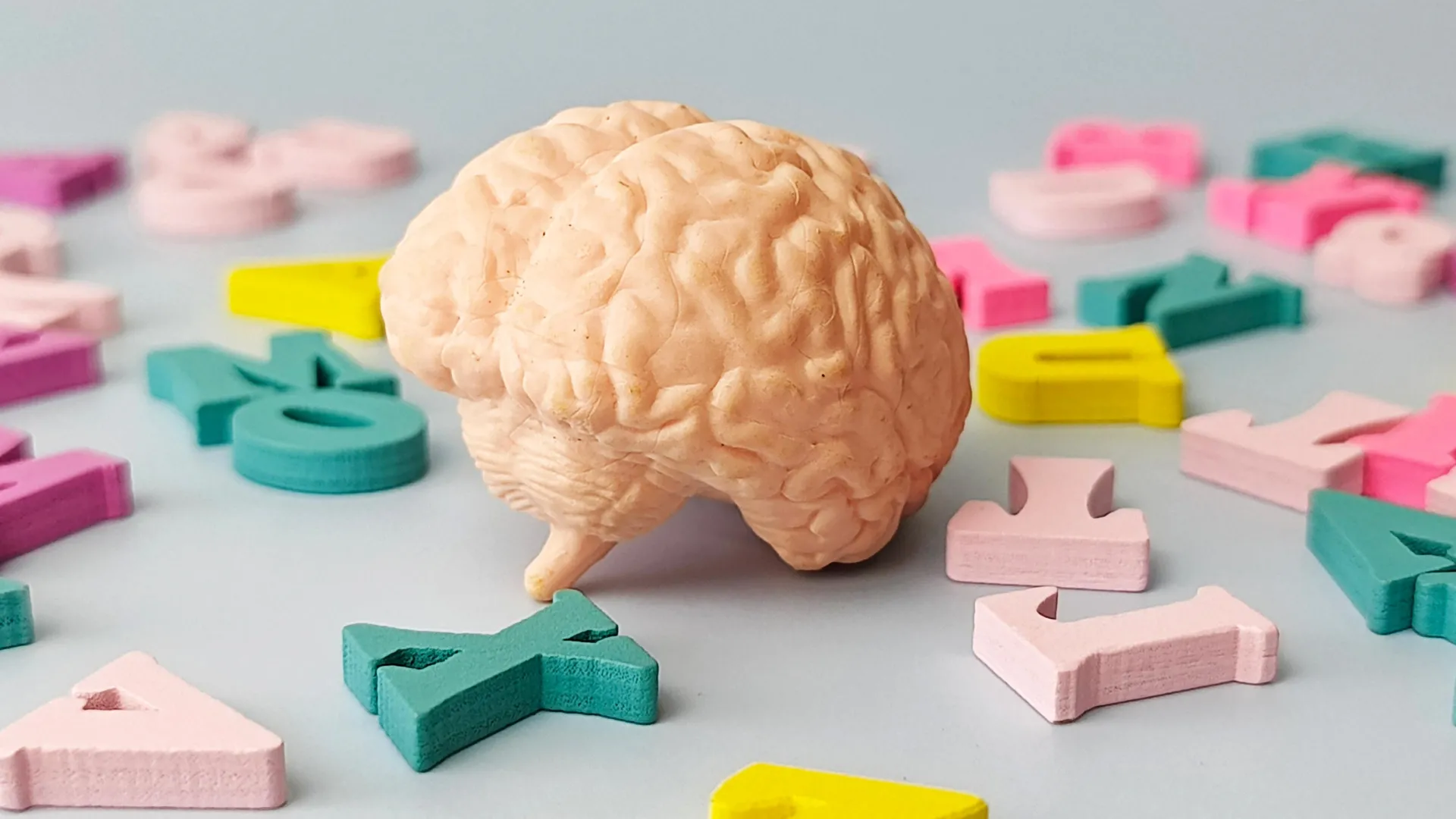
People who speak more than one language may have brains that appear younger than expected for their age, according to research presented at the Federation of European Neuroscience Societies (FENS) Forum 2026.
The brain depends on billions of nerve cells constantly communicating with one another. As people get older, those connections can weaken, contributing to slower thinking and declines in memory.
The new findings suggest that multilingual experience may help offset some of those age-related changes. People who spoke more languages tended to have younger-looking brains, and the effect also appeared stronger among those who learned another language earlier and became more proficient.
Multilingualism and Brain Aging
The research was presented by Dr. Lucia Amoruso of the Basque Center on Cognition, Brain and Language in San Sebastián, Spain. She worked with researchers from the Latin American Brain Health Institute at the Universidad Adolfo Ibañez, Chile, the Cognitive Neuroscience Center at the Universidad de San Andres, Argentina, and the Global Brain Health Institute at Trinity College Dublin, Ireland.
The team had previously published research suggesting that people living in countries where multilingualism is common may age more slowly. For the latest work, they focused on people from the Basque region of Spain who spoke between one and four languages, using different combinations of Spanish, Basque, French and English.
To measure brain aging, the researchers first studied 728 people and created a 'brain aging clock'. They used magnetoencephalography, a method that detects the faint magnetic fields produced when brain cells are active.
Artificial intelligence was then used to analyze patterns of brain activity across people of different ages. This allowed the researchers to estimate what typical brain connectivity looks like at different points in life.
They next applied the clock to a separate group of 144 people to estimate each person's 'brain age'.
Four Languages Linked to a 13 Year Difference
When the researchers compared participants' actual ages with their estimated brain ages, they found a striking pattern.
People who spoke two languages had brains that appeared about six years younger than those of people who spoke only one language. Those who spoke three languages had brains that appeared about seven years younger. Among people who spoke four languages, the difference grew to roughly 13 years.
Dr. Amoruso said: "In simple terms, people who spoke more languages tended to have brains that looked younger than expected for their chronological age. The effect was not only related to the number of languages spoken. Higher language proficiency and earlier acquisition of a second language were also associated with more delayed brain aging. This suggests that multilingual experience matters as a gradient: it is not simply about being bilingual or not, but about the depth and duration of language experience."
The researchers adjusted their analysis for factors including age, sex and education. However, they cautioned that other influences on brain health, including lifestyle and social engagement, could also contribute to the differences they observed.
Could Language Learning Support Brain Resilience?
Dr. Amoruso and her colleagues now want to investigate whether similar patterns appear in people with neurodegenerative conditions such as Alzheimer's disease, where brain aging and resilience are particularly important.
They also hope to explore whether speaking two or more closely related languages could produce an even stronger effect. Switching between similar languages may require greater control because speakers must continually manage competing words and language systems.
Professor Christina Dalla of the National and Kapodistrian University of Athens, Greece, chairs the FENS Forum communication committee and was not involved in the research. She said: "We know that many factors can influence our brain health and mental abilities as we age. For example, we know that not smoking, eating well, social and artistic engagement, as well as being active, can help. How we use our brains throughout life can also have an impact, especially if we engage in effortful learning that activates our brain.
"This study suggests that learning a second, third or fourth language could help our brains to stay younger for longer, and the earlier we start, the better. There are many good reasons for learning another language at any age -- social, cultural and for the health of your brain -- so we should support language learning at school and throughout life, even if it's hard."
Funding: National Institutes of Health (NIH) and National Institute on Aging (NIA), the Fogarty International Center and the Multi-partner Consortium to Expand Dementia Research in Latin America (ReDLat). Additional support was provided by the Alzheimer's Association, the Global Brain Health Institute, the Davos Alzheimer's Collaborative, Alzheimer's Society UK, FONDECYT and the Ramón y Cajal fellowship through the Spanish State Research Agency.
Story Source:
Materials provided by Federation of European Neuroscience Societies. Note: Content may be edited for style and length.
Cite This Page: