
Widely prescribed blood pressure drugs linked to 33% higher kidney risk in type 2 diabetes
A common blood pressure drug may quietly increase the risk of serious kidney decline in people with type 2 diabetes.
- Date:
- August 18, 2026
- Source:
- European Renal Association (ERA)
- Summary:
- A widely prescribed blood pressure drug was associated with a 33% higher risk of serious kidney problems in people with type 2 diabetes, even when they were already taking kidney-protective medications. The surprising finding is prompting researchers to question whether DCCBs are always the safest second-line choice for diabetic kidney disease.
- Share:
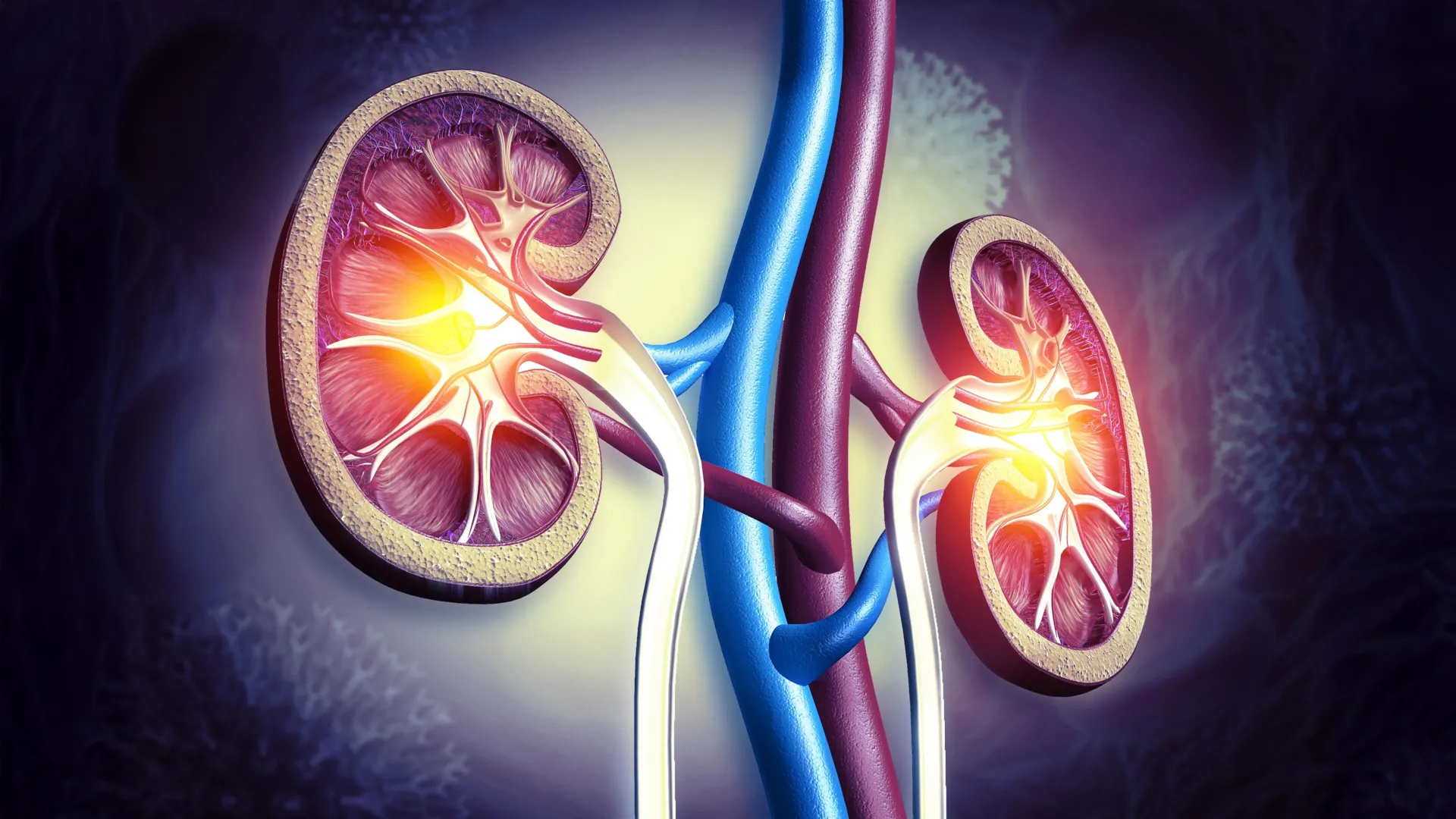
New findings presented at the 63rd ERA Congress suggest that a commonly prescribed group of blood pressure drugs may be linked to worse kidney outcomes in people with type 2 diabetes (T2D), including patients already taking newer medications designed to protect kidney function.
The medications, known as dihydropyridine calcium-channel blockers (DCCBs), lower blood pressure by relaxing blood vessels. They are often prescribed as second-line treatments for people with diabetic kidney disease (DKD). In the new study, patients who took DCCBs in addition to standard therapies experienced a significantly greater risk of major adverse kidney events than patients treated with other blood pressure medications.
Protecting the Kidneys in Type 2 Diabetes
DKD is among the most common causes of kidney failure worldwide. The condition develops as prolonged high blood sugar damages tiny blood vessels within the kidneys, gradually interfering with their ability to remove waste from the bloodstream. Keeping blood pressure under control is a key part of managing the disease because elevated blood pressure can speed up this damage.
Treatment for DKD has changed considerably in recent years with the introduction of two important classes of medication. Renin-angiotensin system (RAS) inhibitors lower blood pressure while also reducing pressure inside the kidney's filtering structures. Sodium-glucose cotransporter-2 (SGLT2) inhibitors were initially developed to treat diabetes, but they are now also recognized for their ability to protect kidney function and lower the risk of kidney failure. The two drug classes are now part of standard treatment for many people with DKD.
Study Tracks More Than 31,000 Patients
Researchers examined health data from 31,031 adults with T2D between 2016 and 2021. Every participant was receiving both RAS and SGLT2 inhibitors. Of the total group, 12,172 (39.2%) were also taking DCCBs, while 18,859 (60%) were being treated with other antihypertensive medications. The median follow-up period was approximately 3.5 years.
After accounting for differences in patients' initial clinical and demographic characteristics, the researchers found that DCCB use was associated with a 33% greater risk of a major adverse kidney event (R 1.33, 95%, CI 1.03-1.73).
Researchers classified these events as either a major loss of kidney filtration capacity, involving a decline of 40% or more in estimated glomerular filtration rate (eGFR), the standard measure of kidney function, or progression to end-stage kidney disease that required dialysis or transplantation.
"DCCBs are widely used as second-line blood pressure treatments in patients with DKD," said Dr. Timna Agur, lead author of the study. "Our findings raise important questions about whether these medications are always the best option for patients already receiving modern kidney-protective therapies."
Why DCCBs Could Affect Kidney Function
The researchers suggest that the association may be related to how DCCBs alter blood flow through the kidneys. In DKD, the kidneys are already dealing with elevated pressure and hyperfiltration, a condition in which their filtering structures are placed under excessive strain.
DCCBs may relax the blood vessels that carry blood into these filtering units more strongly than they affect the vessels carrying blood away. According to the researchers, this imbalance could increase pressure inside the filtering structures and potentially contribute to continued kidney damage.
"We initially thought the kidney-protective effects of SGLT2 inhibitors might counterbalance the potential harms associated with DCCBs," said Dr. Agur. "However, the increased risk of kidney disease progression appeared to persist even in this group."
More Research Is Needed
Because the study was observational, the researchers emphasize that it cannot show that DCCBs directly caused the poorer kidney outcomes. Still, they say the association deserves attention because these medications are so frequently prescribed to people with DKD.
"Further prospective studies and randomized controlled trials are needed to confirm these observations and better define the safest blood pressure treatment strategies for patients with DKD," concluded Dr. Agur. "However, given how commonly these medications are prescribed, any increase in kidney risk could have important implications for large numbers of patients with DKD."
Story Source:
Materials provided by European Renal Association (ERA). Note: Content may be edited for style and length.
Cite This Page: