
Researchers followed 400,000 kids for 20 years and found a lasting pre-K advantage
- Date:
- August 28, 2026
- Source:
- Florida International University
- Summary:
- A 20-year study of 400,000 students found that children who attended public school pre-K earned better grades and test scores through high school than those in other childcare settings. Better-trained teachers and earlier exposure to structured classrooms may help explain why the advantage lasted so long.
- Share:
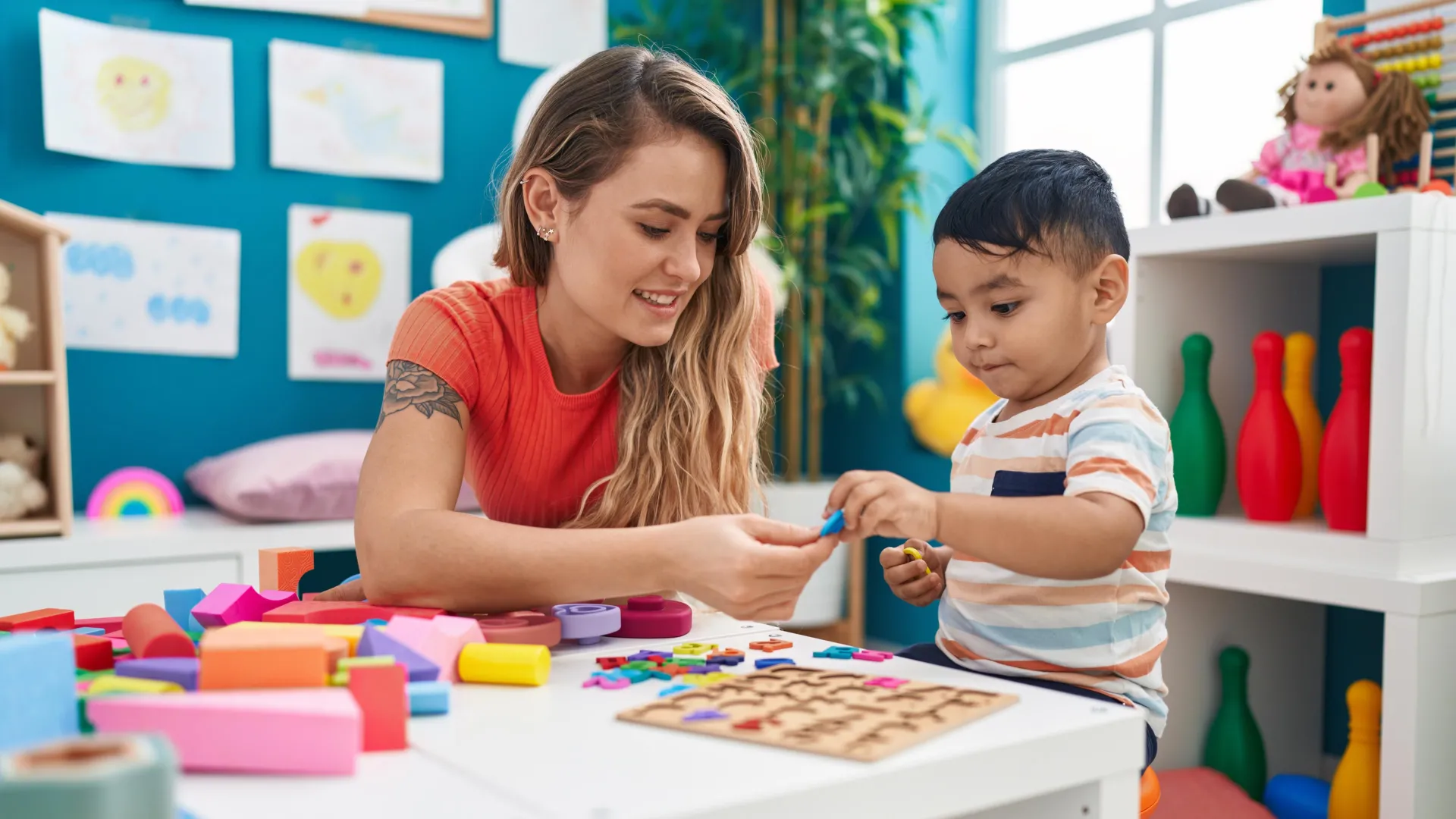
Students who attended public school pre-K went on to perform better academically through high school than children who received family-based childcare, according to new research from Florida International University.
The findings come from one of the largest long-term studies of early childhood education outcomes. Led by George Mason University and overseen by FIU associate professor of teaching and learning Charles Bleiker, the research tracked 400,000 Miami-Dade County public school students beginning in third grade and followed their progress through high school.
Over the course of 20 years, students who had attended public school pre-K4 earned higher grades and scored better on standardized tests throughout their school years. Those academic advantages continued into adolescence.
Teacher Training May Make a Lasting Difference
Researchers examined three types of preschool environments that children attended before entering elementary school: public school pre-K, center-based daycare programs, and home-based childcare providers participating in the Early Learning Coalition.
Although every program met minimum standards, there was one notable difference. Public school pre-K programs were the only setting in which teachers were required to have a college degree.
"They had more education and probably higher-quality teachers," Bleiker said. "It really tests the idea that having better-trained teachers or better curricula actually helps these kids. Critics often say teachers don't need to be highly educated to teach young children, that it's just babysitting and a waste of money. Our data says otherwise."
The researchers say the results also challenge the idea that early exposure to a public school environment has little effect. According to Bleiker, becoming familiar with classroom routines at an earlier age may make it easier for children to adjust when they enter elementary school.
Teachers with preparation in developmental psychology and classroom management may also be better equipped to respond to behavioral difficulties and provide more productive learning experiences.
"It makes a huge difference if you've been trained," Bleiker said. "Novice teachers without formal training struggle more. Some of these were mom-and-pop centers hiring people who aren't fully qualified to teach. If a child spends those formative years in time out, watching videos or being herded around, rather than being stimulated, these experiences spill over. They reach kindergarten not ready academically, socially or emotionally."
A Large and Diverse Long-Term Study
Bleiker, who joined FIU in 2001, has played a central role in the research team examining school readiness among Miami children receiving subsidized childcare.
The study also includes an unusually large Hispanic population. Because about 70 percent of Miami's population is Hispanic, the research contains the largest Hispanic sample of any study of this kind conducted to date.
Bleiker now applies the findings to the development of curriculum interventions and early mathematics programs. He also supports expanding access to structured learning opportunities starting at around age 3.
Still, he does not believe public schools must provide all early childhood education themselves. Instead, he says the findings could help researchers identify what public school pre-K programs are doing effectively and use those lessons to strengthen center-based and family-based preschool programs.
What Parents Can Look for in a Pre-K Program
Bleiker also offers practical guidance for parents deciding where to send their children for voluntary pre-K.
- Look for stability. Parents can ask how long teachers typically remain at a center. Young children often develop strong attachments to caregivers, so frequent staff turnover can be difficult for them.
- Use your local Early Learning Coalition. These organizations can provide quality ratings, resources and guidance to help families evaluate childcare options.
- Do your homework. Parents should visit potential centers before enrolling a child and ask questions about the program, staff and classroom environment.
- Talk to other parents. Families who already use a center can offer valuable insight into whether children appear happy and are thriving there.
Above all, Bleiker said parents should pay close attention to how their own child is doing. If a child repeatedly struggles in a particular setting, parents should not hesitate to consider another center that may provide a better fit.
Story Source:
Materials provided by Florida International University. Note: Content may be edited for style and length.
Journal Reference:
- Kaitlyn Mumma, Louis L. Manfra, Charles C. Bleiker, Laura Dinehart, Suzanne Hartman, Victoria Rabii, Adam Winsler. The influence of elementary school quality on differential long-term effects of preschool programs in third grade. Early Childhood Research Quarterly, 2026; 76: 157 DOI: 10.1016/j.ecresq.2026.03.004
Cite This Page: