
Common pesticide linked to more than double the risk of Parkinson’s disease
Researchers have linked a common pesticide to a dramatically higher risk of Parkinson’s disease and discovered how it may damage the brain’s dopamine-producing neurons.
- Date:
- June 28, 2026
- Source:
- University of California - Los Angeles Health Sciences
- Summary:
- Scientists at UCLA have linked long-term exposure to the pesticide chlorpyrifos with a sharply increased risk of Parkinson’s disease. People exposed to the chemical near their homes were more than twice as likely to develop the condition. Laboratory studies showed that chlorpyrifos damages dopamine neurons and interferes with the brain’s ability to remove toxic protein buildup.
- Share:
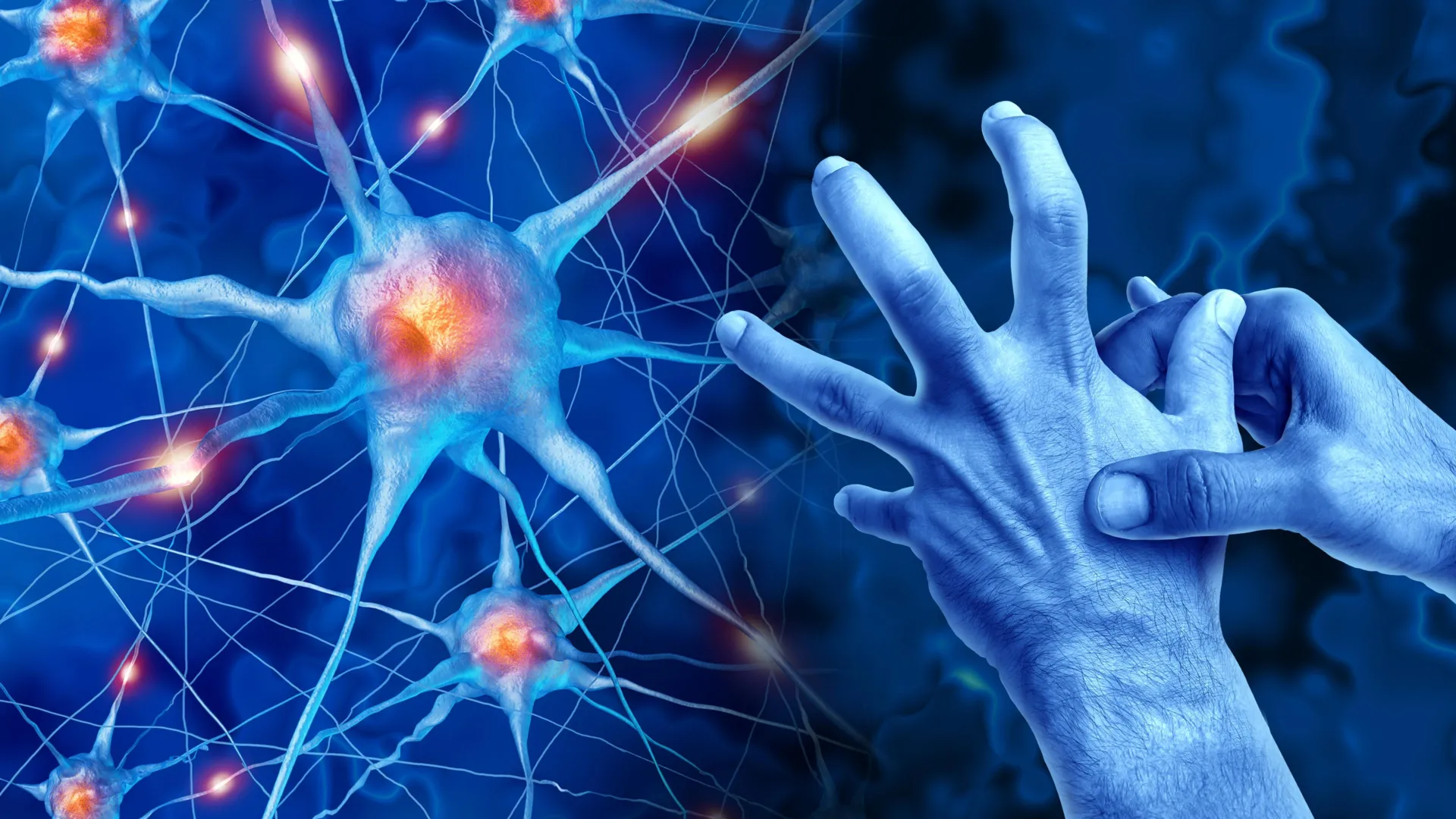
A widely used agricultural pesticide may pose a greater threat to brain health than previously recognized. Researchers at UCLA Health report that long-term exposure to chlorpyrifos near the home is associated with a more than 2.5-fold increase in the risk of developing Parkinson's disease.
The study, published in Molecular Neurodegeneration, combined evidence from hundreds of people with laboratory experiments designed to uncover exactly how the pesticide affects the brain. The results suggest that chlorpyrifos can damage critical nerve cells involved in movement and may play a direct role in the development of Parkinson's disease.
Why Parkinson's Disease Matters
Parkinson's disease is a progressive neurological disorder that affects nearly one million Americans. The condition develops when specialized brain cells that produce dopamine gradually die off. Dopamine is a chemical messenger that helps control movement, coordination, and balance.
As dopamine levels decline, people may experience symptoms such as tremors, muscle stiffness, slowed movement, and difficulty maintaining balance. Although certain genetic factors can increase risk, researchers have increasingly focused on environmental exposures that may contribute to the disease.
Pesticides have emerged as one of the leading environmental concerns. Scientists have long suspected that some chemicals used in agriculture could harm the nervous system, but identifying specific pesticides and understanding how they affect the brain has been challenging.
Chlorpyrifos Remains Widely Used
Chlorpyrifos has been used on agricultural crops for decades. Although residential uses of the pesticide were banned in 2001 and agricultural applications faced restrictions in 2021, the chemical continues to be used on a variety of crops in the United States and remains common in many other countries.
Because exposure can occur over many years, researchers are interested in understanding whether people who lived near treated fields may face long-term health consequences.
Tracking Exposure and Parkinson's Risk
To investigate the connection, researchers analyzed data from 829 people diagnosed with Parkinson's disease and 824 individuals without the condition. All participants were enrolled in UCLA's ongoing Parkinson's Environment and Genes study.
The team estimated each participant's long-term exposure to chlorpyrifos by combining California pesticide use records with residential and workplace addresses. This allowed researchers to determine who had likely experienced greater exposure over time.
The findings revealed a striking pattern. Individuals with long-term residential exposure to chlorpyrifos had more than 2.5 times the risk of developing Parkinson's disease compared with people who were not exposed.
How the Pesticide Damages the Brain
To better understand why this increased risk occurs, the researchers conducted a series of laboratory experiments.
Mice were exposed to aerosolized chlorpyrifos for 11 weeks using inhalation methods designed to mimic the way people typically encounter the pesticide in the environment. The exposed animals developed movement problems and lost dopamine-producing neurons, the same type of brain cells that degenerate in Parkinson's disease.
Researchers also observed signs of inflammation in the brain and an abnormal buildup of alpha-synuclein, a protein strongly associated with Parkinson's disease. In patients with the disorder, alpha-synuclein can accumulate into clumps that interfere with normal brain function.
A Breakdown in the Brain's Cleanup System
Additional experiments in zebrafish helped uncover the biological mechanism behind the damage.
The researchers found that chlorpyrifos interferes with a process known as autophagy. Often described as the cell's internal cleanup and recycling system, autophagy removes damaged proteins and cellular debris before they can accumulate and cause harm.
When this cleanup process was disrupted, neurons became more vulnerable to injury. However, when scientists restored autophagy or removed synuclein protein, the nerve cells were protected from damage.
These results suggest that the pesticide may contribute to Parkinson's disease by preventing cells from clearing away harmful material, allowing toxic proteins to build up over time.
What Comes Next
The discovery highlights autophagy as a potential target for future treatments aimed at protecting the brain from pesticide-related injury.
Researchers note that chlorpyrifos use has declined in recent years in the United States, but many people experienced exposure before restrictions were introduced. In addition, similar pesticides continue to be used around the world.
Future studies will explore whether other commonly used pesticides disrupt autophagy in the same way and whether treatments that strengthen the cell's natural cleanup systems could reduce Parkinson's risk among exposed individuals.
The findings also suggest that people with known past exposure to chlorpyrifos may benefit from closer neurological monitoring, particularly as researchers continue to investigate the long-term effects of pesticide exposure on brain health.
Expert Perspective
"This study establishes chlorpyrifos as a specific environmental risk factor for Parkinson's disease, not just pesticides as a general class," said Dr. Jeff Bronstein, professor of Neurology at UCLA Health and the study's senior author. "By showing the biological mechanism in animal models, we've demonstrated that this association is likely causal. The discovery that autophagy dysfunction drives the neurotoxicity also points us toward potential therapeutic strategies to protect vulnerable brain cells."
Story Source:
Materials provided by University of California - Los Angeles Health Sciences. Note: Content may be edited for style and length.
Journal Reference:
- Kazi Md. Mahmudul Hasan, Lisa M. Barnhill, Kimberly C. Paul, Chao Peng, William Zeiger, Beate Ritz, Marisol Arellano, Michael Ajnassian, Shujing Zhang, Aye Theint Theint, Gazmend Elezi, Hilli Weinberger, Julian P. Whitelegge, Qing Bai, Sharon Li, Edward A. Burton, Jeff M. Bronstein. The pesticide chlorpyrifos increases the risk of Parkinson’s disease. Molecular Neurodegeneration, 2025; 21 (1) DOI: 10.1186/s13024-025-00915-z
Cite This Page: