
Scientists reveal a surprising new timeline for ancient Egypt
Radiocarbon clues have redrawn the timeline of Thera’s eruption and Egypt’s early 18th Dynasty.
- Date:
- December 7, 2025
- Source:
- Ben-Gurion University of the Negev
- Summary:
- A new radiocarbon study has clarified the timing of the colossal Thera eruption, placing it before Egypt’s New Kingdom. Researchers analyzed artifacts tied to Pharaoh Ahmose, gaining rare access to museum materials. Their results favor a younger chronology for early 18th Dynasty Egypt. The revised timeline reshapes regional historical connections.
- Share:
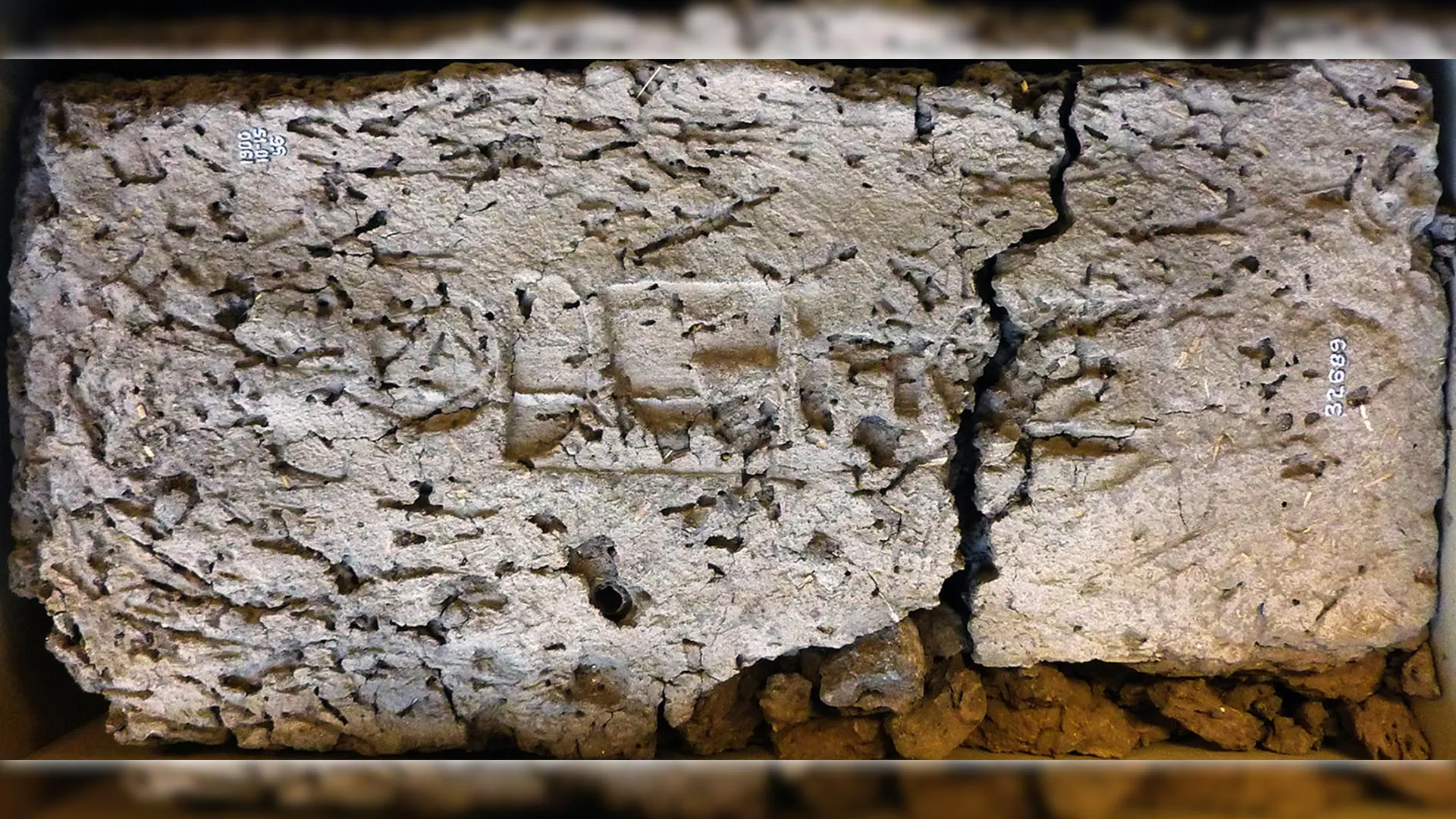
One of the most powerful volcanic events of the past 10,000 years occurred on the Greek island of Thera (Santorini) in the Aegean Sea, yet researchers have long debated whether it took place in the late 17th or 16th century BCE. Ash from the eruption spread across much of the eastern Mediterranean, prompting archaeologists to question how this dramatic event aligned with ancient Egyptian chronology. A research team from Ben-Gurion University of the Negev and the University of Groningen has now provided the first radiocarbon dates related to King Ahmose, the ruler known for reunifying Upper and Lower Egypt and founding the New Kingdom. Their results suggest that the Santorini eruption happened before the New Kingdom, placing it in the Second Intermediate Period. These new measurements strongly support a "low" (i.e. younger) timeline for the start of the 18th Dynasty, a shift that reshapes our understanding of Egypt’s interactions with nearby cultures.
Their findings were published in PLOS One.
New Radiocarbon Sampling From Key Egyptian Artifacts
Prof. Hendrik J. Bruins of the Jacob Blaustein Institutes for Desert Research at BGU's Sylan Adams Sde Boker Campus and Prof. Johannes van der Plicht of the University of Groningen received exceptional access to select artifacts from the British Museum and the Petrie Museum in London. Under the supervision of museum teams, they collected samples from several objects for radiocarbon dating. These included a mudbrick from the Ahmose Temple at Abydos (British Museum), a linen burial cloth linked to Satdjehuty (British Museum), and six wooden stick shabtis from Thebes (Petrie Museum).
Revised Timeline for the Santorini Eruption and Early Dynasties
Analysis of the samples showed that the massive eruption did not take place during the Egyptian New Kingdom, as some earlier interpretations suggested. Instead, it occurred earlier in the Second Intermediate Period. The radiocarbon ages for the Santorini event were markedly older than the first radiocarbon dates obtained for artifacts associated with Pharaoh Ahmose and those from the 17th to early 18th Dynasty.
"Our findings indicate that the Second Intermediate Period lasted considerably longer than traditional assessments, and the New Kingdom started later," says Prof. Hendrik J. Bruins.
Story Source:
Materials provided by Ben-Gurion University of the Negev. Note: Content may be edited for style and length.
Journal Reference:
- Hendrik J. Bruins, Johannes van der Plicht. The Minoan Thera eruption predates Pharaoh Ahmose: Radiocarbon dating of Egyptian 17th to early 18th Dynasty museum objects. PLOS One, 2025; 20 (9): e0330702 DOI: 10.1371/journal.pone.0330702
Cite This Page: