
Hidden “immune organ” in the skull may help fight brain cancer
Hidden immune “security stations” inside the skull may help the brain fight cancer before the rest of the immune system even gets the signal.
- Date:
- September 16, 2026
- Source:
- WashU Medicine
- Summary:
- Scientists discovered a hidden “immune organ” inside the skull that acts as a rapid first responder against brain cancer in mice. Strengthening this local immune defense improved tumor rejection and survival, raising the possibility of new treatments that target the skull directly.
- Share:
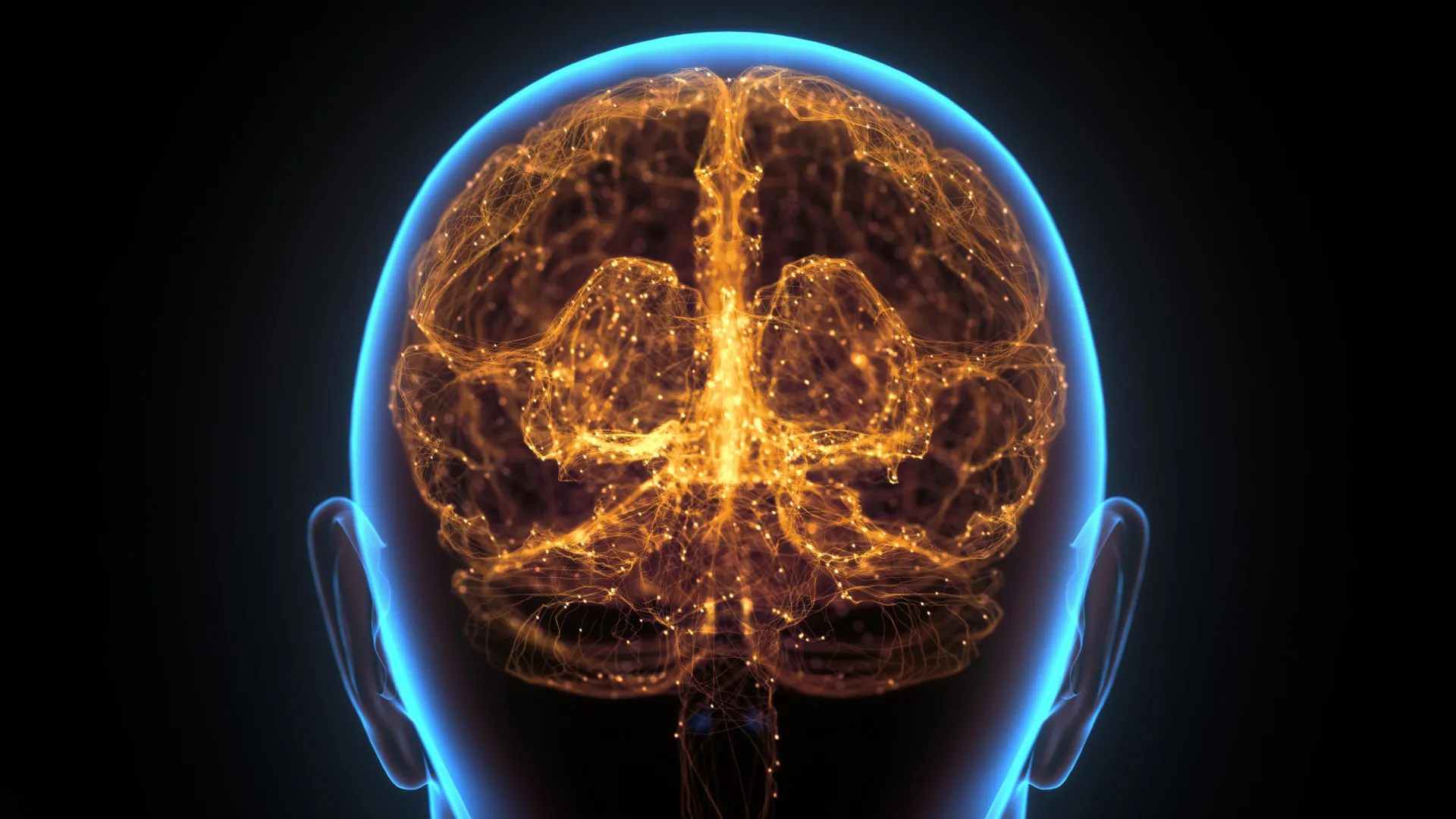
Researchers at Washington University School of Medicine in St. Louis have identified previously unknown lymph node-like immune structures in the skull bone marrow of mice. The findings suggest these nearby immune hubs can respond rapidly to brain cancer, becoming active before more distant lymph nodes even receive signals that something is wrong.
The team also found evidence of similar immune cells in human skull bone marrow, suggesting that this local defense system may not be limited to mice.
Scientists once believed that the brain was largely isolated from the immune system. That view has changed dramatically in recent years. The new findings suggest the brain not only communicates with immune cells, but may also have specialized immune "security stations" positioned unusually close by.
Published in Nature, the study is the first to identify immune hubs of this kind inside bone.
"This study reveals that the skull bone marrow is far more than just a structural framework -- it harbors previously unrecognized hubs for brain-specific immune responses," said senior author Jonathan Kipnis, PhD, the Alan A. and Edith L. Wolff Distinguished Professor of Pathology & Immunology and a BJC Investigator at WashU Medicine. "Uncovering this localized immune niche changes how we view neuroimmune interactions and opens exciting new avenues for treating brain tumors and other neurological diseases."
A Local Immune Defense for the Brain
Earlier work from Kipnis' laboratory helped overturn the long-standing idea that the brain was separated from the immune system. The group discovered lymphatic vessels in the dura mater, the protective outer layer of tissue surrounding the brain just beneath the skull.
More recently, the researchers found tiny physical channels bridging the skull, dura, and brain tissue. Those channels provide a direct route through which immune cells and cellular waste can travel between the brain and nearby skull bone marrow.
In the new mouse study, the scientists followed proteins as they moved out of the brain, through these channels, and into the skull bone marrow. There, they discovered organized immune structures resembling those normally found in lymph nodes.
Lymph nodes serve as important coordination centers for immune activity. Within them, T follicular helper cells support B cells, which can then produce large quantities of antibodies that help the body fight infections and disease. Finding comparable structures in healthy bone marrow was unexpected.
"We have never seen such structures in healthy bone marrow before," said Jang Hyun Park, PhD, the study's first author and a postdoctoral research fellow in the Kipnis lab who is starting his own lab at the Korea Advanced Institute of Science and Technology this fall. "It is an exciting discovery that points out that a complex brain requires its own specialized immune structures to defend it."
Skull Immune Hubs Respond to Brain Cancer
The researchers next investigated whether these newly identified immune centers actually help protect the brain from disease.
They used a mouse model of glioblastoma, an aggressive form of brain cancer, and interfered with the skull immune hubs using a drug. Tumors grew more quickly in mice whose immune hubs had been disrupted than in animals whose hubs remained intact.
The mice with impaired skull immune defenses also had shorter survival, providing evidence that these local immune structures play an active role in responding to brain cancer.
Boosting the Skull's Immune Response
The team then explored whether the immune hubs could be deliberately strengthened.
Researchers created a targeted treatment intended to increase antibody production within skull bone marrow. They combined three immune-boosting proteins in a gel and placed it directly beneath the scalp.
The treatment triggered a surge of immune activity against the tumors. Importantly, the response appeared first in the immune hubs inside the skull bone marrow and only later emerged in nearby lymph nodes outside the skull.
Mice treated with the gel rejected tumors more effectively and survived longer than control animals.
A New Route for Treating Neurological Disease
The discovery could have implications beyond brain cancer. Because these immune hubs sit directly next to the brain, researchers believe they could eventually provide a way to influence immune activity in neurological diseases without broadly affecting the rest of the body.
"The finding fundamentally changes our current understanding of neuroimmunology," said Kipnis. "Knowing that the brain relies on first responders in the surrounding skull for defense has the potential to change how we think about developing therapies for many neurological conditions, including Alzheimer's disease, Parkinson's disease, schizophrenia, long COVID, and many others that have an immune component to them. Such therapies could access these immune hubs directly through the skull, without major peripheral side effects."
Story Source:
Materials provided by WashU Medicine. Original written by Marta Wegorzewska. Note: Content may be edited for style and length.
Journal Reference:
- Jang Hyun Park, Daviti Abramishvili, Gustavo Gastão Davanzo, Ruben Silva, Xingxing Gu, Siling Du, Daniel D. Lee, Bernd H. Zinselmeyer, Jackson S. Turner, Gwendalyn J. Randolph, Igor Smirnov, Jonathan Kipnis. Functional role of skull lymphoid structures in CNS immunosurveillance. Nature, 2026; DOI: 10.1038/s41586-026-10951-4
Cite This Page: