
The rotten egg smell that could finally beat nail fungus
- Date:
- December 7, 2025
- Source:
- University of Bath
- Summary:
- Researchers have identified hydrogen sulfide as a surprisingly effective tool for treating difficult nail infections. It penetrates nails more efficiently than current drugs and kills pathogens by disrupting their energy systems. The compound also works against fungi that resist standard antifungal treatments.
- Share:
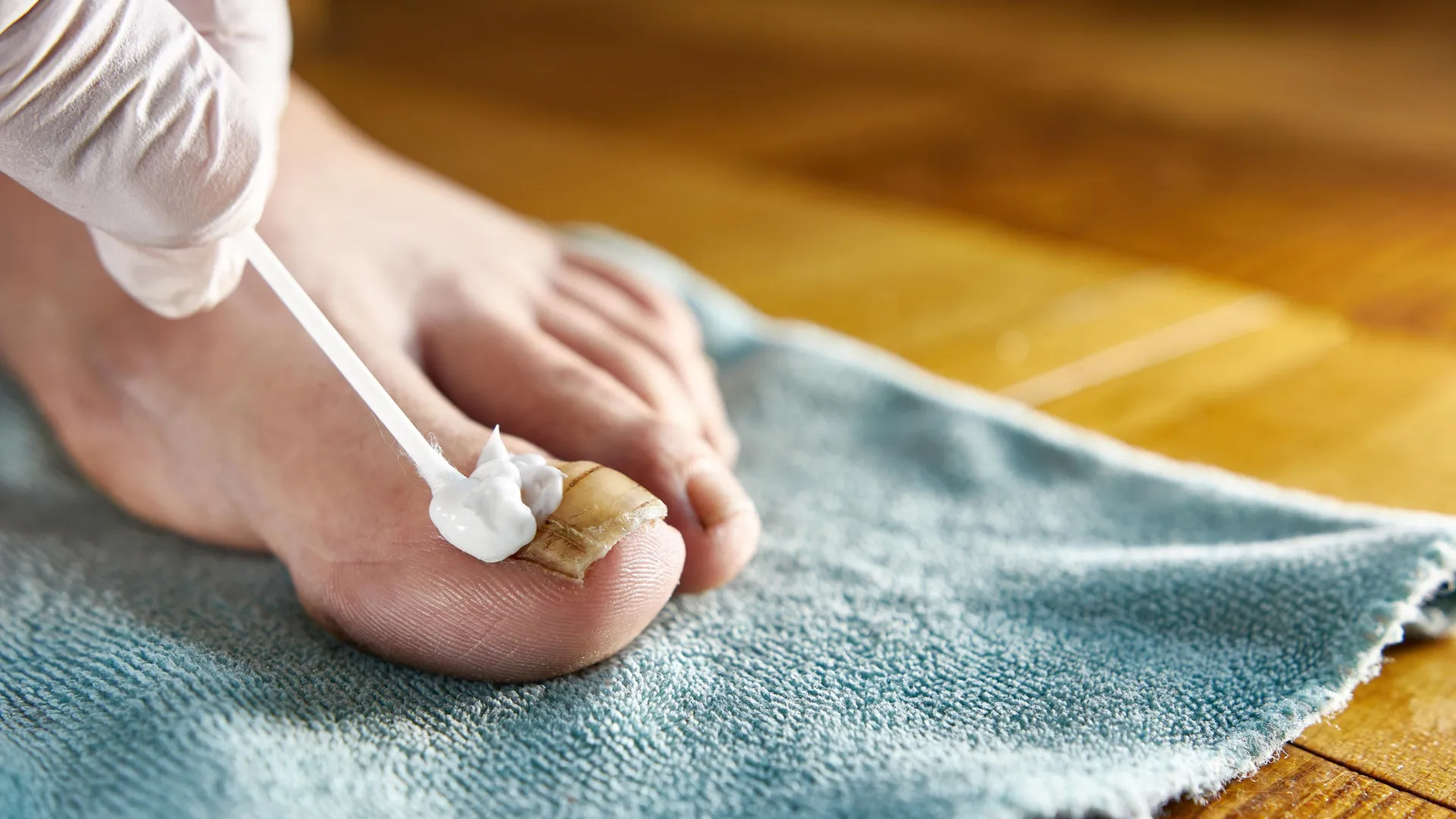
Hydrogen sulfide, a naturally occurring gas best known for its strong rotten egg odor, may offer a faster and gentler way to treat stubborn nail infections. Researchers at the University of Bath and King's College London (KCL) report that this volcanic gas could form the basis of a new therapy that works more quickly while avoiding many common side effects.
Nail infections are typically caused by fungi, though bacteria can occasionally be involved. These conditions are widespread, affecting an estimated 4-10% of people worldwide, with rates climbing to nearly 50% among adults aged 70 and older.
These infections can create serious complications in vulnerable groups such as older adults and individuals with diabetes. Despite their prevalence, they remain difficult to eliminate.
Why Current Treatments Often Fall Short
Standard therapies include oral antifungal medications taken as pills and topical products placed on the surface of the nail. Oral medications usually take 2-4 months to show results and are generally effective, but they also pose risks for side effects, particularly in patients with other health conditions.
Topical treatments are considered safer, but they often require very long application periods, sometimes lasting years. Even then, they frequently fail to fully clear the infection or the infection returns.
One major obstacle is that most medications struggle to pass through the dense structure of the nail, preventing them from reaching the fungi or bacteria living beneath it. Even the best topical antifungal options achieve relatively low cure rates, underscoring the need for treatments that can reliably reach microbes deep within the nail.
Hydrogen Sulfide Shows Strong Antimicrobial Potential
A research team from the University of Bath and KCL has identified hydrogen sulfide (H2S) as a promising alternative. This small, naturally occurring gas appears capable of penetrating the nail plate far more effectively than existing topical drugs.
Earlier studies already suggested that H2S travels through nail tissue with ease. The new findings show that it also has powerful antimicrobial activity, killing a broad spectrum of pathogens, including fungal species that do not respond well to common antifungal medications.
In controlled laboratory experiments, the researchers used a compound that releases hydrogen sulfide as it breaks down. They found that the gas disrupts microbial energy production and causes irreversible damage to the cells, ultimately destroying the fungi responsible for infection.
The study is detailed in Scientific Reports.
Researchers See Promise for a Future Topical Therapy
Dr. Albert Bolhuis of the University of Bath's Department of Life Sciences said: "Thanks to its ability to efficiently reach the site of infection and its novel mode of action, we believe that a topically applied medicine containing hydrogen sulfide could become a highly effective new treatment for nail infections, which avoids the limitations of current therapies.
"Our research lays the foundation for a compelling alternative to existing treatments, with the potential to improve outcomes for patients suffering from persistent and drug-resistant fungal nail infections."
Hydrogen sulfide does have a strong smell and some level of toxicity. However, researchers emphasize that the concentrations needed for treatment appear to be far below harmful levels, and the right formulation should greatly reduce any unpleasant odor.
Next Steps Toward Patient Use
So far, the research has been conducted only in vitro. Even so, the team hopes to continue development and create a topical treatment suitable for patients within the next five years.
Professor Stuart Jones, Director of the Centre for Pharmaceutical Medicine Research at KCL, said: "We are looking forward to translating these findings into an innovative topical product that can treat nail infection."
Story Source:
Materials provided by University of Bath. Note: Content may be edited for style and length.
Journal Reference:
- Fritz Ka-Ho Ho, Alyaa Al-Tabtabai, Sara M. Nasereddin, Osamah S. Malallah, Mark A. Lindsay, Stuart A. Jones, Albert Bolhuis. Antimicrobial effects and mechanisms of hydrogen sulphide against nail pathogens. Scientific Reports, 2025; 15 (1) DOI: 10.1038/s41598-025-22062-7
Cite This Page: