
This popular diet was linked to a much lower stroke risk
- Date:
- February 9, 2026
- Source:
- American Academy of Neurology
- Summary:
- A long-term study found that women who closely followed a Mediterranean diet had a much lower risk of stroke. The strongest benefits were seen in women who ate more plant-based foods, fish, and olive oil while cutting back on red meat and saturated fats. Their risk dropped across all major stroke types, including bleeding strokes, which are less commonly studied. The findings suggest diet may be a powerful but overlooked factor in stroke prevention.
- Share:
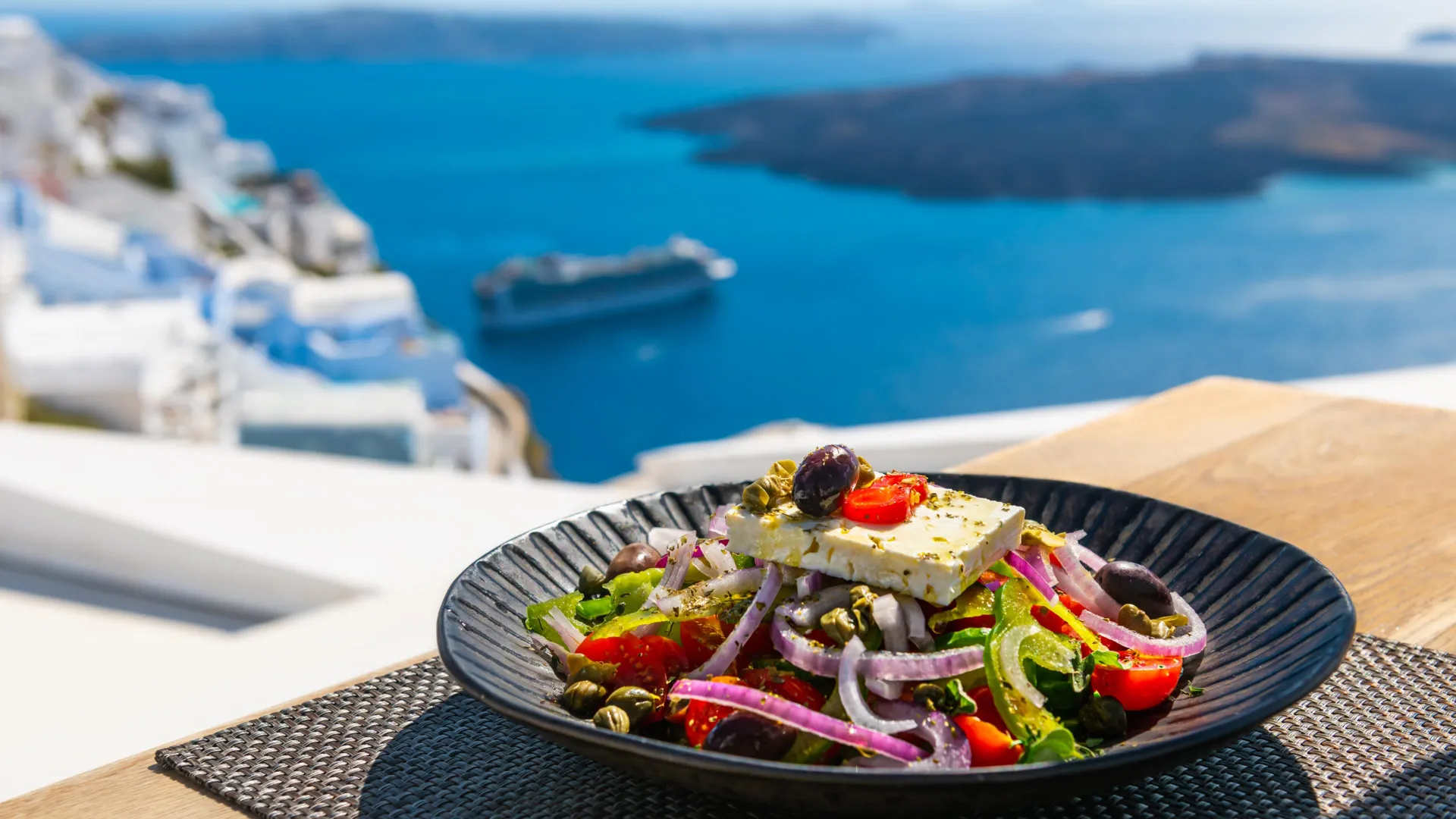
Women who follow a Mediterranean-style eating pattern may face a lower risk of stroke, according to research published on February 4, 2026, in Neurology Open Access, a journal of the American Academy of Neurology. The study found a strong relationship between this diet and reduced stroke risk, though it does not show that the diet directly prevents strokes. Instead, it identifies an association between dietary habits and long-term health outcomes.
Researchers observed lower rates of stroke overall among women who most closely followed the Mediterranean diet. This included both ischemic strokes and hemorrhagic strokes. Ischemic strokes occur when blood flow to part of the brain is blocked and are the most common form of stroke. Hemorrhagic strokes happen when a blood vessel ruptures and causes bleeding in the brain.
What Defines the Mediterranean Diet
The Mediterranean diet centers on eating plenty of vegetables, fruits, legumes, and fish, along with healthy fats such as olive oil. It limits foods like dairy products, meat, and items high in saturated fatty acids.
"Our findings support the mounting evidence that a healthy diet is critical to stroke prevention," said study author Sophia S. Wang, PhD, of City of Hope Comprehensive Cancer Center in Duarte, California. "We were especially interested to see that this finding applies to hemorrhagic stroke, as few large studies have looked at this type of stroke."
How the Study Followed More Than 100,000 Women
The study included 105,614 women who had no history of stroke at the beginning of the research and an average age of 53. Each participant completed a detailed diet questionnaire at the start of the study. Researchers then assigned a score ranging from zero to nine based on how closely each person's diet matched Mediterranean diet guidelines.
Participants earned one point for consuming more than the population average of whole grain cereals, fruits, vegetables, legumes, olive oil, and fish, as well as for drinking a moderate amount of alcohol. They also earned a point for eating less red meat and dairy than average. About 30% of participants scored between six and nine -- the highest group. Another 13% scored between zero and two, placing them in the lowest group.
Stroke Outcomes Over 21 Years
Participants were monitored for an average of 21 years. During that period, researchers recorded 4,083 strokes, including 3,358 ischemic strokes and 725 hemorrhagic strokes. Among women in the highest diet score group, 1,058 ischemic strokes occurred, compared with 395 cases in the lowest group. For hemorrhagic stroke, 211 cases were reported in the highest group and 91 in the lowest group.
After accounting for other stroke risk factors such as smoking, physical activity, and high blood pressure, the differences remained significant. Women with the highest Mediterranean diet scores were 18% less likely to experience any stroke than those with the lowest scores. Their risk of ischemic stroke was 16% lower, and their risk of hemorrhagic stroke was 25% lower.
Why the Findings Matter and Study Limitations
"Stroke is a leading cause of death and disability, so it's exciting to think that improving our diets could lessen our risk for this devastating disease," said Wang. "Further studies are needed to confirm these findings and to help us understand the mechanisms behind them so we could identify new ways to prevent stroke."
One limitation of the study is that dietary information was self reported, which means some participants may not have recalled their eating habits accurately.
The research was funded by the National Institute of Neurological Diseases and Stroke.
Story Source:
Materials provided by American Academy of Neurology. Note: Content may be edited for style and length.
Journal Reference:
- Ayesha Z. Sherzai, Emily L. Cauble, Emma S. Spielfogel, Joshua Zebadiah Willey, Yian Gu, Nikolaos Scarmeas, James Vincent Lacey, Dean Sherzai, Mitchell S.V. Elkind, Sophia S. Wang. Mediterranean Diet and the Risk of Stroke Subtypes in Women. Neurology Open Access, 2026; 2 (1) DOI: 10.1212/WN9.0000000000000062
Cite This Page: