
Scientists found a protein that drives brain aging — and how to stop it
- Date:
- April 5, 2026
- Source:
- University of California - San Francisco
- Summary:
- Scientists have uncovered a powerful new clue in the mystery of brain aging: a single protein called FTL1. In aging mice, higher levels of this protein weakened connections between brain cells and led to memory decline. But when researchers reduced FTL1, something remarkable happened — the brain began to recover, rebuilding lost connections and restoring memory performance.
- Share:
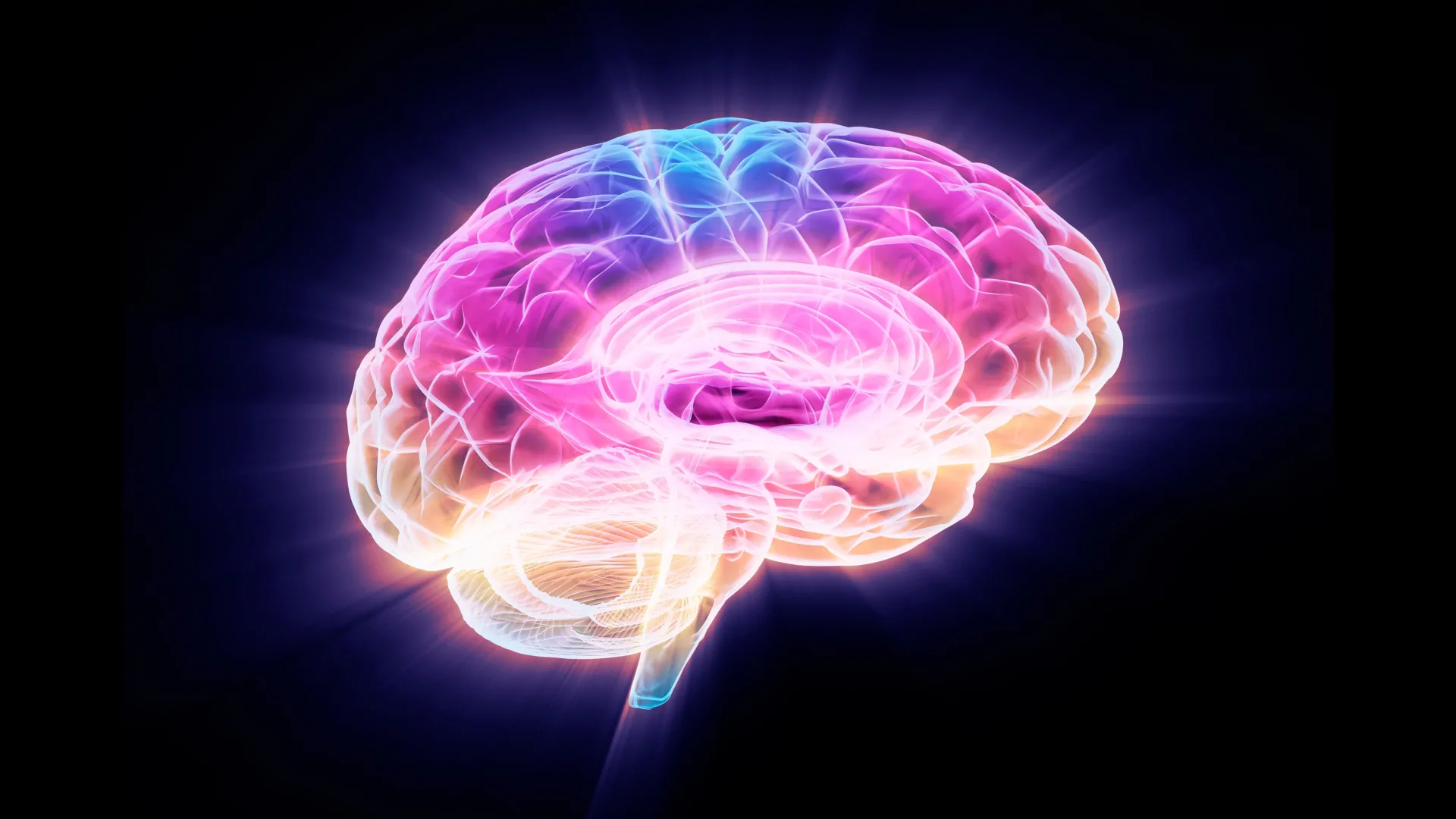
Aging takes a serious toll on the hippocampus, the part of the brain that plays a central role in learning and memory.
Scientists at UC San Francisco have now pinpointed a protein that appears to drive much of this decline.
FTL1 Emerges as a Key Driver of Brain Aging
To understand what changes with age, the researchers tracked shifts in genes and proteins in the hippocampus of mice over time. Among everything they examined, only one stood out as consistently different between young and old animals. That protein is called FTL1.
Older mice showed higher levels of FTL1. At the same time, they had fewer connections between neurons in the hippocampus and performed worse on cognitive tests.
How FTL1 Alters Brain Function
When the team boosted FTL1 levels in young mice, the effects were striking. Their brains began to look and function more like those of older mice, and their behavior reflected this shift.
Lab experiments revealed more detail. Nerve cells engineered to produce high amounts of FTL1 developed simplified structures, forming short, single extensions instead of the complex, branching networks seen in healthy cells.
Reversing Memory Decline by Lowering FTL1
The most surprising result came when researchers reduced FTL1 in older mice. The animals showed clear signs of recovery. Connections between brain cells increased, and their performance on memory tests improved.
"It is truly a reversal of impairments," said Saul Villeda, PhD, associate director of the UCSF Bakar Aging Research Institute and senior author of the paper, which was published in Nature Aging. "It's much more than merely delaying or preventing symptoms."
Metabolism Link Points to New Treatments
Further experiments showed that FTL1 also affects how brain cells use energy. In older mice, higher levels of the protein slowed cellular metabolism in the hippocampus. However, when researchers treated these cells with a compound that boosts metabolism, the negative effects were prevented.
Hope for Future Brain Aging Therapies
Villeda believes these findings could pave the way for treatments that target FTL1 and counter its effects in the brain.
"We're seeing more opportunities to alleviate the worst consequences of old age," he said. "It's a hopeful time to be working on the biology of aging."
Authors and Funding
Other UCSF authors are Laura Remesal, PhD, Juliana Sucharov-Costa, Karishma J.B. Pratt, PhD, Gregor Bieri, PhD, Amber Philp, PhD, Mason Phan, Turan Aghayev, MD, PhD, Charles W. White III, PhD, Elizabeth G. Wheatley, PhD, Brandon R. Desousa, Isha H. Jian, Jason C. Maynard, PhD, and Alma L. Burlingame, PhD. For all authors see the paper.
This work was funded in part by the Simons Foundation, Bakar Family Foundation, National Science Foundation, Hillblom Foundation, Bakar Aging Research Institute, Marc and Lynne Benioff, and the National Institutes of Health (AG081038, AG067740, AG062357, P30 DK063720). For all funding see the paper.
Story Source:
Materials provided by University of California - San Francisco. Note: Content may be edited for style and length.
Journal Reference:
- Laura Remesal, Juliana Sucharov-Costa, Yuting Wu, Karishma J. B. Pratt, Gregor Bieri, Amber Philp, Mason Phan, Turan Aghayev, Charles W. White, Elizabeth G. Wheatley, Bende Zou, Brandon R. Desousa, Julien Couthouis, Isha H. Jian, Xinmin S. Xie, Yi Lu, Jason C. Maynard, Alma L. Burlingame, Saul A. Villeda. Targeting iron-associated protein Ftl1 in the brain of old mice improves age-related cognitive impairment. Nature Aging, 2025; 5 (10): 1957 DOI: 10.1038/s43587-025-00940-z
Cite This Page: