
This sweet fruit is packed with hidden health compounds
- Date:
- January 14, 2026
- Source:
- Wiley
- Summary:
- Scientists are taking a closer look at monk fruit and discovering it’s more than just a sugar substitute. New research shows its peel and pulp contain a rich mix of antioxidants and bioactive compounds that may support health. Different varieties offer different chemical profiles, hinting at unique benefits. The work could shape how monk fruit is used in future foods and supplements.
- Share:
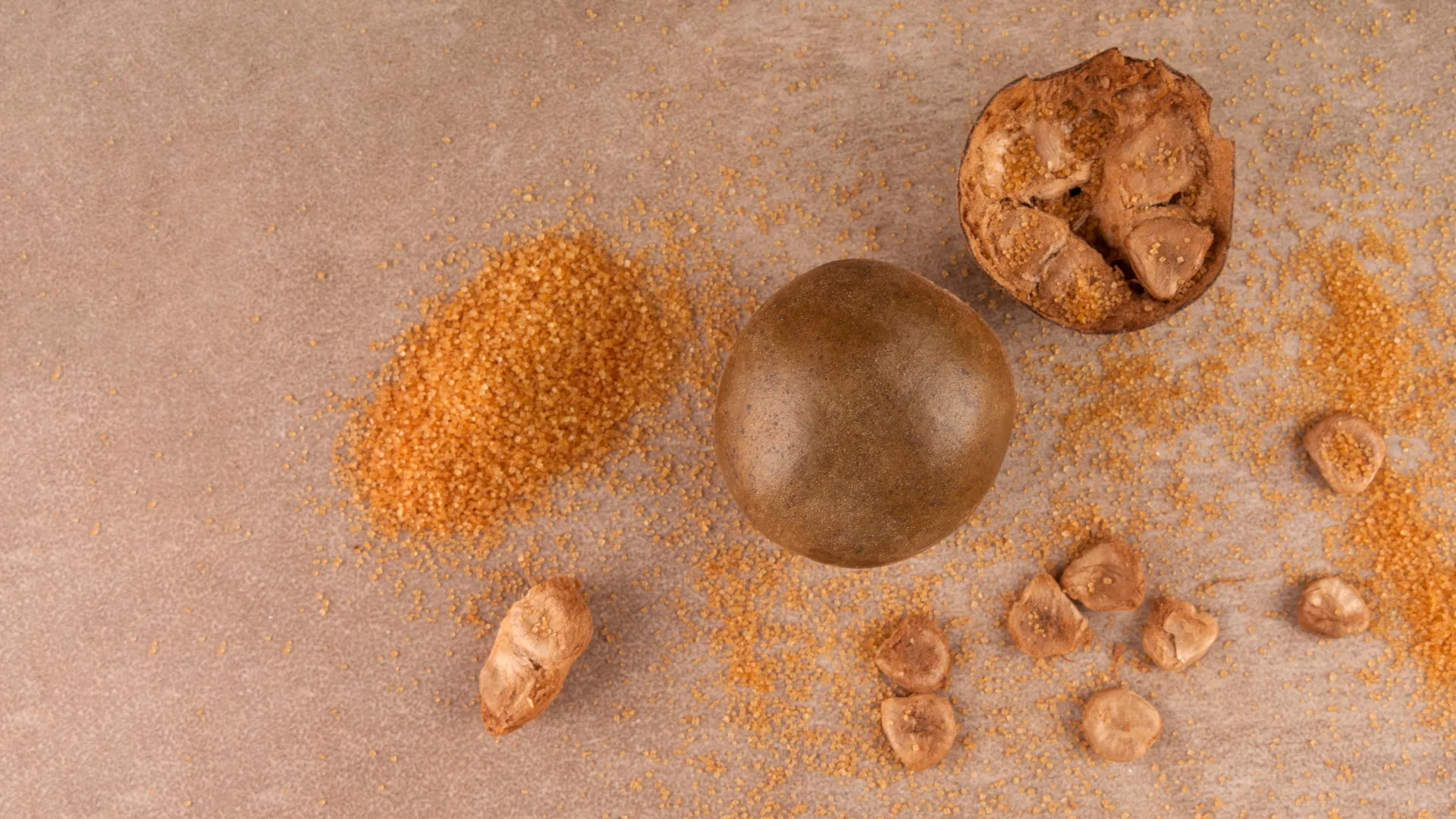
Luo Han Guo (Siraitia grosvenorii), more commonly known as monk fruit, is a long living vine that belongs to the gourd family, the same plant group as cucumbers and squash. It is native to southern China, where it has been used for centuries in traditional foods and remedies. In recent years, monk fruit has drawn modern scientific attention because it contains high levels of antioxidants. Antioxidants are substances that help protect cells from damage caused by unstable molecules known as free radicals, which are linked to aging and many chronic diseases.
New findings published in the Journal of the Science of Food and Agriculture take a closer look at what makes this fruit biologically active. The research focuses on the specific chemical compounds inside Luo Han Guo and how they may support health.
The Compounds Inside Monkfruit
One of the most important features of Luo Han Guo is its abundance of what scientists call secondary metabolites. These are natural plant chemicals that are not required for basic growth, but often play a role in defense, color, flavor, and health effects in humans. In this case, researchers concentrated on three major groups: terpenoids, flavonoids, and amino acids.
Terpenoids are compounds commonly found in plants that can have antioxidant and anti inflammatory properties. Flavonoids are another large class of plant compounds known for their ability to neutralize free radicals and support heart and metabolic health. Amino acids, which are the building blocks of proteins, are essential for many processes in the body, including tissue repair and immune function.
The scientists examined both the peel and the pulp of four different Luo Han Guo varieties. By doing so, they were able to identify where these compounds are concentrated and how they behave biologically.
How These Compounds Interact With the Body
Beyond simply identifying these substances, the study explored how they interact with antioxidant receptors and other biological targets. Receptors are structures in cells that receive chemical signals and trigger responses in the body. These interactions influence various biological pathways, which are step by step processes that help regulate functions such as inflammation, metabolism, and cellular protection.
Understanding these pathways helps explain why monk fruit may have health promoting properties beyond its use as a natural sweetener.
Why Researchers Studied Multiple Varieties
The researchers emphasized that not all monkfruit is chemically identical. Different varieties can contain different levels and combinations of active compounds. As the authors explained, "it is crucial to conduct an in-depth investigation on the high-resolution metabolic profiles of different Luo Han Guo varieties, providing valuable insights into the nutritional and health characteristics as well as the manufacturing suitability of the various resources available from this plant."
This type of detailed chemical mapping helps scientists determine which varieties may be best suited for food products, supplements, or other uses.
Monk Fruit at a Glance
Monk fruit is a perennial vine native to China and a member of the gourd family. It is best known today as a zero calorie natural sweetener, but research shows it also contains a wide range of bioactive compounds. These include antioxidants, plant metabolites, and amino acids that interact with important biological systems in the body. As scientists continue to study its chemistry, monk fruit is emerging as more than just a sugar substitute, offering potential nutritional and health benefits rooted in its unique natural makeup.
Story Source:
Materials provided by Wiley. Note: Content may be edited for style and length.
Journal Reference:
- Huahong Liu, Yuxin Wu, Zhenni Lan, Liusen Fang, Yuqi Qin, Xuehui Tang, Haiyan Fu, Yun Zhang, Jinfang Nie. Metabolomics, network pharmacology, and molecular docking guided discrimination of constituents in four varieties of luohan guo (Siraitia grosvenorii): an assessment of core active ingredients and their potential antioxidant mechanisms. Journal of the Science of Food and Agriculture, 2026; DOI: 10.1002/jsfa.70400
Cite This Page: